
 Oil On CanvasWallArtNeoclassical Landscape
 1799
1799 59.0 x 39.0 cm
 国立美术高等学院
博物馆级艺术微喷或帆布版画,制作高效,并提供多种饰面选择。 ( 购买手绘画作 切换至数字图像销售渠道)





























从与原作比例一致的预设尺寸中进行选择。

您可以输入自定义尺寸,以适配特定的画框或空间。如果您选择的尺寸与原图比例不符,我们将对作品进行裁剪,或通过镜像填充/纯色填充边缘的方式来扩展图像。在开始制作之前,我们会向您发送一份数字效果图供您确认。
请注意,屏幕上的预览并不能反映实际的裁剪或扩展效果。只有效果图才能准确展示最终的构图。
虽然我们提供定制尺寸,但为了保持原图比例,我们建议您从预设列表中选择尺寸。

Avenue in a Park
复制品尺寸
Hubert Robert's "Avenue in a Park," painted in 1799, is more than just a landscape; it’s a carefully constructed tableau of memory and imagination. This exquisite work, currently residing within the Musées Royaux des Beaux-Arts in Brussels, offers a glimpse into the sensibilities of late 18th-century France – a period grappling with the waning influence of Rococo elegance while simultaneously embracing the burgeoning ideals of Neoclassicism. Robert, a master of capturing atmospheric effects and the melancholic beauty of ruins, wasn’t simply depicting a park; he was crafting an experience, inviting the viewer to step into a world suspended between reality and dream.
Robert’s skill lies not just in his subject matter but in his masterful execution. Executed in oil on canvas, “Avenue in a Park” is a testament to his ability to manipulate light and shadow with remarkable precision. Notice how he employs a subtle atmospheric perspective – distant trees appear paler and less defined, creating an illusion of depth that draws the eye into the scene. The brushstrokes are delicate yet confident, building layers of color to capture the texture of foliage, the sheen of water, and the worn surfaces of the park’s features. He utilizes a technique reminiscent of Claude Lorrain, known for his idealized landscapes, but imbues it with a distinctly Robertian sensibility – a touch of wistful melancholy that elevates the painting beyond mere representation.
To understand “Avenue in a Park,” one must consider the historical context in which it was created. The late 18th century witnessed significant social and political upheaval, culminating in the French Revolution. Robert’s fascination with ruins – both natural and man-made – reflects a broader cultural preoccupation with the passage of time and the fragility of human endeavors. He wasn't simply painting a pretty park; he was exploring themes of memory, loss, and the enduring power of nature. His work aligns with the Romantic movement’s growing interest in subjective experience and emotional resonance, though predating its full flowering. The painting itself is a product of the *rocaille* style, which emphasized natural forms and asymmetry, but Robert's use of perspective and composition demonstrates his understanding of classical principles.
The scene depicted is rich in subtle symbolism. The central statue of a woman, standing proudly on her pedestal, represents an idealized feminine form – perhaps a reference to classical mythology or the virtues of civic pride. The figures scattered throughout the park – seated on benches, strolling along the avenue – suggest a moment of respite and contemplation amidst the bustle of Parisian life. Robert’s choice of subject matter—a carefully curated landscape—hints at the artificiality of such spaces, even as they offer a refuge from the realities of the city. The overall effect is one of serene beauty tinged with a poignant awareness of time's relentless flow.
“Avenue in a Park” remains a captivating work of art, offering a window into the artistic sensibilities of a bygone era. Its delicate balance of realism and imagination continues to resonate with viewers today. High-quality reproductions capture the painting’s luminous quality and intricate details, making it an ideal addition to any collection or interior space. Whether you are an art enthusiast, a collector seeking a touch of elegance, or simply someone drawn to the beauty of landscape painting, “Avenue in a Park” offers a timeless invitation to step into a world of serene contemplation and artistic wonder.
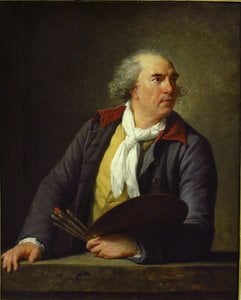
1733 - 1808 , 法国

Embark on a visual journey through the American wilderness. Discover the sublime beauty of Hudson River School landscapes, from Thomas Cole to Homer Dodge Martin, and learn how to bring this timeless, untamed spirit into your home with museum-quality art reproductions.

Embark on a visual journey through the world's most serene parks. Discover how master artists capture light, texture, and tranquility through exquisite oil paintings and botanical landscapes designed for the discerning art enthusiast.

Embark on a visual journey through history's most iconic landscapes. Discover the mastery of Impressionism and the sublime power of nature through our expert guide to classical landscape art, curated for the discerning collector and fine art enthusiast.

Explore the profound beauty of village scene art. From Impressionist light to pastoral realism, discover how timeless landscapes capture nostalgia through expert artistry and historical depth. Perfect for collectors seeking evocative, museum-quality landscape inspirations.


 效果预览
效果预览
 分享
分享 分享
分享
 详情
详情

 下载
下载
 相似作品
相似作品 X射线
X射线 幻灯片播放
幻灯片播放 统计数据
统计数据 展开详情
展开详情









 玻璃选项仅适用于110厘米以下的尺寸。


