博物馆级艺术微喷或帆布版画,制作高效,并提供多种饰面选择。 ( 订购纯手工绘制画作 切换至数字图像销售渠道)
您可以从与原作比例一致的预设尺寸中进行选择。

请输入您所需的宽度和高度,以适配您的画框或墙面。由于印刷品只能进行裁剪,无法超出原图尺寸,因此若比例不一致,画面的一部分将会被裁切。在正式印刷之前,我们会为您发送一份数字效果图供您确认。本页面显示的图片并非最终裁剪后的效果——只有效果图才能展示真实的裁剪情况。
Ratapoil
复刻品尺寸
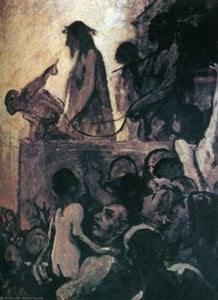
The photograph captures a pivotal moment – a frozen dance of energy and emotion rendered in the enduring medium of bronze. This exquisite reproduction offers an intimate encounter with "Ratapoil," a sculpture by the visionary artist Honoré Daumier, born in Marseille in 1808 and tragically lost in 1879. More than just a depiction of a figure, it’s a window into the social anxieties and artistic fervor that defined mid-19th century France, a period meticulously documented through Daumier's keen eye for detail and his unflinching portrayal of human experience.
Honoré Daumier was a revolutionary figure in the world of art, challenging conventional notions of beauty and truth. His work wasn't confined to idealized forms; instead, he sought to capture the raw essence of everyday life, often focusing on the marginalized and oppressed. “Ratapoil,” as evidenced by its connection to Daumier’s painting of the same name, embodies this commitment. The sculpture depicts a woman in a dynamic pose, likely engaged in dance or performance – an act that speaks volumes about freedom, expression, and perhaps even defiance within the constraints of societal expectations. Daumier's training under Alexandre Lenoir instilled in him a deep understanding of classical techniques, particularly the dramatic use of light and shadow—a hallmark of Rubens’ work—which he masterfully employs here to heighten the emotional impact of the piece.
The outstretched arms and flowing drapery of “Ratapoil” are not merely decorative elements; they are imbued with symbolic meaning. They suggest a yearning for freedom, an embrace of movement, or perhaps even a theatrical performance—a deliberate act of self-expression in a world often governed by rigid rules. The sculpture’s stark white background further amplifies these emotions, creating a powerful contrast that draws the viewer's eye directly to the figure's dynamic pose and expressive gestures. The work resonates with a timeless quality, evoking both classical beauty and Daumier’s characteristic realism – a potent combination that continues to captivate audiences today.

1808 - 1879 , 法国

Discover the enduring allure of bronze sculptures at WahooArt.com. From classical lost-wax casting to modern metal masterpieces, explore museum-quality artworks designed to elevate luxury interiors. Expert curation, authenticity guaranteed, and worldwide shipping for discerning collectors.

Discover the enduring elegance of bronze sculpture. From ancient Roman strength to Art Deco sophistication, explore our expert guide on collecting, casting techniques, and integrating timeless metal masterpieces into your fine art collection.

Discover the enduring allure of bronze sculpture. From the intricate lost-wax process to Neoclassical masterpieces, our expert guide offers connoisseurs deep insights into evaluating patina, historical significance, and integrating metal fine art into sophisticated collections.

 分享
分享 分享
分享
 详情
详情 指南
指南

 下载作品
下载作品
 相似作品
相似作品 幻灯片播放
幻灯片播放 问答
问答
 统计数据
统计数据


 展开全文
展开全文






































 玻璃选项仅适用于110厘米以下的尺寸。