
博物馆级艺术微喷或帆布版画,制作高效,并提供多种饰面选择。 ( 订购此收藏品的纯手工复刻画作 切换至数字图像销售渠道)





























您可以从与原作比例一致的预设尺寸中进行选择。

请输入您所需的宽度和高度,以适配您的画框或墙面。由于印刷品只能进行裁剪,无法超出原图尺寸,因此若比例不一致,画面的一部分将会被裁切。在正式印刷之前,我们会为您发送一份数字效果图供您确认。本页面显示的图片并非最终裁剪后的效果——只有效果图才能展示真实的裁剪情况。
Lizard Tail
复刻品尺寸说明

1976年出生于日本四国岛的 Hiromi Tango,其艺术旅程是一段极其私密的探索,根植于传统之中,亦是对人类经验的深刻挖掘。她的作品主要以纺织装置和行为艺术的形式呈现,早已超越了单纯的工艺范畴;它是一场记忆、情感与触觉世界之间的沉浸式对话。从早年沉浸在丰厚的文化底蕴中,到如今成为当代艺术领域的领军人物,Tango 的演变轨迹充满了无尽的好奇心与拥抱脆弱的勇气——这些特质在她那动人心魄的创作中得到了强有力的体现。
Tango 的成长岁月深受多种力量交织的影响。她在今治长大,这座城市以精美的有机棉纺织品和绚丽的染色技术闻名——这一遗产与 Tango 家族的历史紧密相连——这让她从小便接触到了日本手工艺中严谨的艺术性与持久的传统。祖母作为和服制作者的身分,以及母亲在时装设计领域的背景,在她心中种下了对材质、纹样以及编织于每一件作品中的故事的深切敬畏。这种传承并非简单的继承,而是通过一种鲜明的当代视角进行着积极的参与与重构。
从东京日本女子大学毕业后,Tango 开启了一段艺术发现之旅,最初她将纺织品作为行为艺术中的雕塑元素进行创作。早期的作品以大胆、甚至有些浓艳的色彩为特征——这是一种刻意的选择,旨在赋予作品强烈的感情共鸣。她开始收集具有个人意义的纺织品,无论是他人赠予还是自己购置,并将它们与信件、日记及其他私密物品层叠在一起。这种搜集与编织的过程不仅仅是在构建一个物理对象,更是在创造一个承载记忆、经历与无声叙事的容器。
Tango 的艺术风格因其独特的色彩与纹理运用而具有极高的辨识度。她从不回避冲突的色调或混乱的排列,相反,她拥抱这种不和谐感,并相信它映射了人类情感的复杂性。她的 2014 年作品《尘暴》(Dust Storm)便是这一方法的典范,利用鲜艳的色调唤起兴奋与不安交织的情绪。她细致地缠绕和编织着丝线、绳索、羊毛与布料,创造出仿佛在脉动着能量的密集网络。这种层叠技术并非仅仅为了装饰,而是一种捕捉记忆之重量与质感的刻意尝试。
除了色彩,Tango 的作品还深受日本艺术传统的影响,尤其是能剧(Noh theatre)和茶道。对细节的极致追求、对仪式化动作的强调,以及对“无常”等主题的探索——这些都是上述传统的核心特征——都融入了她的装置与表演之中。她经常将书法、插花等日本传统艺术元素纳入创作,在过去与现在之间建立起一场跨越时空的对话。
Tango 对艺术参与的承诺早已超越了个人创作的范畴。意识到协作实践的力量,她在 2015 年展览《艺术魔法:残余》(Art Magic: Remnant)之前开发了“艺术配方”,旨在使她的创作过程民主化。这些指令为任何有兴趣参与的人提供了一个简化的框架,培养了一种共享体验与集体叙事的意识。这种方法反映了她的信念:艺术不应仅仅是成名艺术家的领地,而应当是所有人皆可触及并从中获得蜕变的媒介。
她在昆士兰美术馆/现代美术馆展出的 201le 年装置作品《雌蕊》(Pistil),进一步体现了这种对社会参与的投入。《雌蕊》通过邀请拥有个人历史的个体参与创作过程,挑战了传统的艺术作者身份观念,引发了关于身份与归属复杂性的对话。这一项目凸显了 Tango 的信念:艺术可以成为实现意义深远的连接与理解的催化剂。
Tango 的作品在澳大利亚和日本都获得了广泛的认可。她曾获得多项殊荣,包括 2014 年 Hazelhurst 地区美术馆与艺术中心项目奖以及 2013 年澳日基金会奖。她的展览历程非常丰富,涵盖了在澳大利亚、新西兰和比利时的超过 14 次个展,以及 20 多场群展、无数次表演与装置艺术。值得注意的是,她的作品曾登载于《艺术杂志》(Art Magazine)等出版物,并因其在材料与概念上的创新方法而备受评论界赞誉。
目前,Tango 继续通过艺术探索治愈、记忆与连接的主题。她近期的项目,包括《治愈之树》(Healing Tree)和《自然》(Nature),展示了她对情感健康相关的科学概念以及艺术实践治疗潜力的深入研究。她的作品始终是创造力转化力量的有力见证——这是一幅由个人经历、文化遗产以及对探索人类情感深处坚定不移的承诺所编织而成的绚丽锦缎。

1976 - , 日本

Discover WahooArt's bespoke services for elite collectors. Masterfully execute custom sizing and background extensions to ensure every hand-painted oil reproduction fits your architectural space with absolute precision and compositional perfection.

Elevate your collection with WahooArt.com's bespoke customization. From reimagining portraits within historical landscapes to custom scenery shifts, our master artists transform your vision into a hand-painted masterpiece. Experience unparalleled luxury and curatorial excellence.

Elevate your design projects with WahooArt's professional art customization. From background changes to bespoke oil reproductions, we provide freelance decorators with premium, hand-painted masterpieces tailored to any interior vision. Transform spaces with timeless, custom-tailored art.

Embark on a sophisticated journey through the tactile realm of textile art. Unveil the historical evolution from utilitarian craft to museum-grade masterpieces, exploring the intricate textures and legendary artists that redefine the boundaries of fine art.
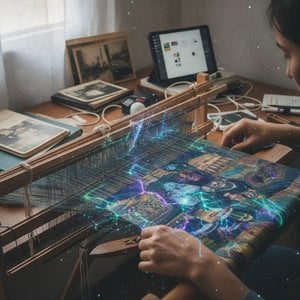
Elevate your home with WahooArt's bespoke AI-textured art. Transform cherished photos into hand-painted textile masterpieces through a seamless fusion of cutting-edge technology and classical craftsmanship. Discover timeless, luxury heirlooms designed to preserve your personal legacy.


 实景预览
实景预览
 发送
发送 分享
分享
 详情
详情 指南
指南

 下载图片
下载图片
 相似作品
相似作品 X射线
X射线 幻灯片播放
幻灯片播放 统计数据
统计数据


 阅读全文
阅读全文









 玻璃选项仅适用于110厘米以下的尺寸。


