
 Acrylic On CanvasWallArtImpressionism
 188919th Century
 22.0 x 42.0 cm
博物馆级艺术微喷或帆布版画,制作高效,并提供多种饰面选择。 ( 购买手绘画作 切换至数字图像销售渠道)





























从与原作比例一致的预设尺寸中进行选择。

您可以输入自定义尺寸,以适配特定的画框或空间。如果您选择的尺寸与原图比例不符,我们将对作品进行裁剪,或通过镜像填充/纯色填充边缘的方式来扩展图像。在开始制作之前,我们会向您发送一份数字效果图供您确认。
请注意,屏幕上的预览并不能反映实际的裁剪或扩展效果。只有效果图才能准确展示最终的构图。
虽然我们提供定制尺寸,但为了保持原图比例,我们建议您从预设列表中选择尺寸。

The Tub
复制品尺寸
Edgar Degas’ “The Ballet Class,” completed around 1874-1876, stands as a cornerstone of Impressionist art and a poignant glimpse into the world of ballet during its formative years. More than just a depiction of dancers practicing, it embodies Degas's revolutionary approach to capturing fleeting moments and conveying psychological depth—a hallmark of his artistic vision.
The painting portrays Jules Perrot, a celebrated ballet master, instructing young dancers in the Hôtel de Choiseul. This setting was pivotal as ballet transitioned from romantic grandeur to a more realistic portrayal of performance life. Critics like Richard Mühlberger recognized Degas’s masterful execution, noting the meticulous attention to detail and the palpable sense of immediacy.
Degas' technique—primarily oil painting—involved layering pigment onto canvas with remarkable precision. He meticulously observed his subjects, capturing not just their physical appearance but also their emotional state. The artist employed a subtle palette dominated by muted browns and creams, skillfully manipulating light to create an atmosphere of quiet contemplation.
Beyond its aesthetic qualities, “The Ballet Class” carries significant symbolic weight. Degas’s depiction of Perrot's stern gaze reflects the pressures faced by ballet dancers striving for perfection—a theme that resonates with viewers today. The inclusion of details like a fan and a girl scratching her back adds layers of narrative complexity, inviting contemplation on themes of aspiration, vulnerability, and the everyday realities of artistic endeavor.
Jill DeVonyar and Richard Kendall emphasize Degas’s fascination with movement and observation—a characteristic that distinguishes him from many of his contemporaries. He sought to convey not merely what he saw but also how it felt, capturing the essence of ballet as both a discipline and an art form. The painting's enduring appeal lies in its ability to transport us back to a moment in time while simultaneously exploring universal themes of human experience.
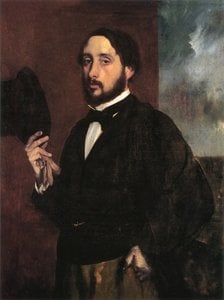
1834 - 1917 , 法国

Explore the ethereal beauty of pastel art. Discover how Impressionist masters used soft hues and velvety textures to capture light. A professional guide for art enthusiasts seeking to understand, collect, and appreciate the delicate magic of this timeless medium.

Master the nuances of Impressionism vs. Post-Impressionism with our expert guide. Explore the revolutionary shift from Monet’s fleeting light to Van Gogh’s emotional depth. Discover how these iconic movements continue to inspire fine art collectors and modern interiors today.


 效果预览
效果预览
 分享
分享 分享
分享
 详情
详情

 下载
下载
 相似作品
相似作品 X射线
X射线 幻灯片播放
幻灯片播放 统计数据
统计数据 展开详情
展开详情









 玻璃选项仅适用于110厘米以下的尺寸。


