
 Oil On CanvasWallArtRealist Impressionism
 187319th Century
 72.0 x 88.0 cm
博物馆级艺术微喷或帆布版画,制作高效,并提供多种饰面选择。 ( 购买手绘画作 切换至数字图像销售渠道)





























从与原作比例一致的预设尺寸中进行选择。

您可以输入自定义尺寸,以适配特定的画框或空间。如果您选择的尺寸与原图比例不符,我们将对作品进行裁剪,或通过镜像填充/纯色填充边缘的方式来扩展图像。在开始制作之前,我们会向您发送一份数字效果图供您确认。
请注意,屏幕上的预览并不能反映实际的裁剪或扩展效果。只有效果图才能准确展示最终的构图。
虽然我们提供定制尺寸,但为了保持原图比例,我们建议您从预设列表中选择尺寸。

The Dance Class
复制品尺寸
In the quiet, focused atmosphere of a Parisian rehearsal hall, Edgar Degas captures something far more profound than a mere ballet lesson. The Dance Class is not just a depiction of movement; it is an intimate study of the discipline, exhaustion, and quiet anticipation that define the life of a dancer. As we gaze upon this masterpiece, we are transported to 1873, stepping into a world where the soft rustle of tulle and the rhythmic breathing of young women fill the air. Degas, a master of observing the unvarnished truth, avoids the grand, theatrical spectacle often associated with the opera, choosing instead to present a candid snapshot of preparation. The composition draws the eye through a labyrinth of bodies—some stretching limbs, others adjusting ribbons or resting momentarily—creating a sense of lived-in reality that feels as though we have just walked through the studio door.
The emotional resonance of the piece lies in its ability to balance the grace of the ballet with the grueling physical labor behind it. There is a palpable tension between the elegance of the tutus and the weary, slumped shoulders of dancers caught in moments of repose. For the collector or the lover of fine art, this painting offers a window into the Belle Époque, capturing a period of intense cultural transformation. Degas’s ability to find beauty in the mundane—in the tilt of a head or the way light catches a stray strand of hair—makes this work an enduring symbol of human aspiration and the relentless pursuit of perfection.
While often whispered about in the same breath as the Impressionists, Degas’s technique in The Dance Class reveals a soul deeply rooted in Realism. He does not rely on the fleeting, broken light of Monet; rather, he employs a purposeful, structured brushstroke that lends weight and volume to the dancers' forms. The palette is a sophisticated arrangement of muted tones, punctuated by the delicate pinks and soft whites of the costumes, which allows the viewer to focus on the subtle interplay of shadow and depth within the studio space. This careful use of tonal variation creates an atmospheric dimension, making the confined room feel expansive yet intimate.
The composition itself is a marvel of classical arrangement disguised as spontaneity. By utilizing architectural elements—such as the staircase and the arched doorway—Degas directs our gaze in a sweeping motion across the canvas. This prevents the eye from resting too long on any single figure, instead encouraging a continuous journey through the scene. For interior designers seeking to anchor a room with a sense of movement and history, this painting provides a dynamic focal point. It possesses a unique ability to breathe life into a space, offering a sophisticated narrative that complements both classical and contemporary decor with its timeless elegance and profound psychological depth.
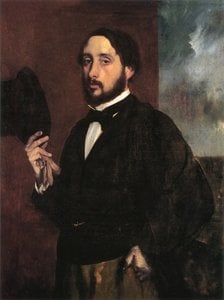
1834 - 1917 , 法国

Elevate your most cherished memories with WahooArt’s bespoke service. We transform your personal photos into breathtaking, hand-painted black & white oil masterpieces. Experience museum-quality craftsmanship and timeless elegance for your private collection. Discover the art of legacy.

Explore the profound artistry of black and white photography. From historical mastery to the interplay of light and shadow, discover how monochrome captures timeless emotion and form through a sophisticated lens of art history.

Discover the ethereal beauty of ballet through museum-quality, hand-painted oil reproductions. From Degas to Carrier-Belleuse, elevate your collection with bespoke masterpieces curated for the discerning connoisseur. Experience unparalleled craftsmanship and timeless elegance.


 效果预览
效果预览
 分享
分享 分享
分享
 详情
详情

 下载
下载
 相似作品
相似作品 X射线
X射线 幻灯片播放
幻灯片播放 统计数据
统计数据 展开详情
展开详情









 玻璃选项仅适用于110厘米以下的尺寸。


