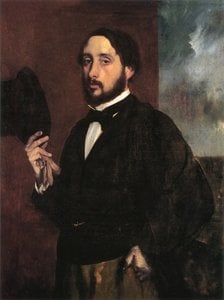
效果预览 AR 预览 购买手绘画作 切换至数字图像销售渠道 分享
详情 指南 加入收藏 下载 相似作品 X射线 幻灯片播放 统计数据

Ballet Dancer Standing

Experience Edgar Degas's 'Ballet Dancers'! This captivating pastel reveals the hidden realities of ballet life – from backstage glamour to challenging work conditions, showcasing a unique artistic perspective.

德加(1834-1917),法国印象派画家,以描绘芭蕾舞女演员、巴黎都市生活而闻名。他独特的构图、精湛的素描技巧和对现代生活的敏锐观察,使其成为艺术史上重要的创新者,影响了毕加索等后世艺术家。

艺术微喷/版画

博物馆级艺术微喷或帆布版画,制作高效,并提供多种饰面选择。 ( 购买手绘画作 切换至数字图像销售渠道)

P118B $10
P118H $10
P118W $10
P438Z $10
P508JH $12
P508YH $12
P805H $10
P805Z $10
P919BZ $10
P919G $10
P919XJ $10
P959ZH $10
P968JZ $12
W106C $8
W218G $10
W218JH $8
W218Y $10
W307PJ $10
W316G $10
W316PJ $8
W316Y $10
W398PJ $8
W4111J $10
W500HY $15
W500JH $15
W692G $12
W849H $8
W940BG $15
W953PJ $8

标准尺寸
定制
CM
INCH

从与原作比例一致的预设尺寸中进行选择。

宽度
高度

您可以输入自定义尺寸,以适配特定的画框或空间。如果您选择的尺寸与原图比例不符,我们将对作品进行裁剪,或通过镜像填充/纯色填充边缘的方式来扩展图像。在开始制作之前,我们会向您发送一份数字效果图供您确认。
请注意,屏幕上的预览并不能反映实际的裁剪或扩展效果。只有效果图才能准确展示最终的构图。
虽然我们提供定制尺寸,但为了保持原图比例,我们建议您从预设列表中选择尺寸。

全球配送(),仅需 2 周即可送达,无需等待标准流程的 4/5 周。(22 September)

why_choose_icon
全球免费特快专递服务
why_choose_icon
优质亚麻画布
why_choose_icon
全程运输保险
why_choose_icon
关税退款保证
why_choose_icon
色彩还原度保证
why_choose_icon
100天退货政策(仅限瑕疵品)
why_choose_icon
100%退款保证
why_choose_icon
多件购买优惠

总计金额

$ 68

reproduction

Ballet Dancer Standing

艺术微喷/版画

复制品尺寸

-

最终总价

$ 68

作品概览

  • Medium: Drawing/Painting
  • Artist: Hilaire-Germain-Edgar Degas
  • Title: Ballet Dancer Standing
  • Movement: Impressionism
  • Location: Princeton University Art Museum
  • Artistic style: Realist, Classical

A Glimpse Behind the Curtain: Degas’s ‘Ballet Dancers’

Hilaire-Germain-Edgar Degas, a name synonymous with Parisian elegance and artistic innovation, offers us more than just beautiful images; he provides a poignant window into a hidden world. His series of paintings depicting ballet dancers, collectively known as “Dancers,” particularly the work from approximately 1890-1900 housed in the National Gallery, transcends mere representation to become a study of human experience – exhaustion, aspiration, and the quiet dignity found amidst demanding routines. These aren’t romanticized depictions of ethereal ballerinas; instead, Degas presents us with a raw, intimate portrayal of the dancers' lives backstage, revealing a complex reality far removed from the glittering spectacle presented to the public.

The World Behind the Stage

Degas’s genius lies in his ability to capture not just the visual appearance of these women but also the atmosphere surrounding them. The paintings are rarely focused on performance itself, instead offering glimpses into moments of preparation, rest, or quiet contemplation. He frequently depicts dancers in a state of transition – adjusting tutus, stretching limbs, or simply leaning against walls, conveying a sense of vulnerability and weariness. This deliberate choice to avoid the grand gestures of a stage performance is crucial; it forces us to confront the demanding physicality and emotional toll inherent in their profession. The figures are often shrouded in a soft haze, suggesting both the dimness of the backstage area and the blurring of boundaries between reality and fantasy—a world where dreams and disappointments intertwine.

Technique and Style: A Master of Observation

Degas’s technique is remarkably understated yet profoundly effective. He primarily employed pastel on paper, a medium that allowed him to achieve subtle gradations of tone and capture the fleeting effects of light and shadow with exceptional delicacy. His brushstrokes are loose and expressive, creating an impressionistic effect that emphasizes movement and atmosphere. He was a meticulous draftsman, evident in the precise rendering of the dancers’ bodies and costumes—a skill honed through years of studying classical art and diligently sketching from life. Notably, Degas often worked *en plein air* (outdoors), but he favored capturing his subjects in their natural environment – backstage, in dressing rooms, or during breaks, rather than posing them formally for a studio portrait. This approach lends an immediacy and authenticity to his work that is rarely found in traditional portraits.

Symbolism of Movement and Rest

The composition of “Ballet Dancers” is carefully constructed to convey a sense of dynamic stillness. The dancers are arranged diagonally, creating a visual rhythm that mirrors the movement of their bodies. Their poses—a slight lean, a hand resting on a knee, a head bowed in contemplation—suggest both exhaustion and resilience. The use of muted colors – predominantly creams, browns, and grays – reinforces this sense of quietude, while subtle touches of red in the dancers’ costumes draw attention to their vibrant energy. The presence of the dark-haired figure in the background, partially obscured by a curtain, adds an element of mystery and hints at the hidden realities that lie beneath the surface of the ballet world.

A Legacy of Insight

Degas's “Ballet Dancers” are more than just beautiful paintings; they are profound meditations on the human condition. They offer a rare glimpse into a world often obscured by glamour and illusion, revealing the dedication, sacrifice, and quiet dignity of those who dedicate their lives to art. Reproductions of these works can bring a touch of Parisian elegance and introspective beauty to any interior space, serving as a reminder that even in the most dazzling settings, there is always a story waiting to be told. They are a testament to Degas’s unparalleled ability to capture not just what he saw but also what he felt—a profound understanding of the human spirit expressed through the language of art.

艺术家简介

埃德加·德加:一位开创性的法国艺术家

埃德加·德加(1834年7月19日出生于巴黎,逝世于1917年9月27日巴黎),是一位充满矛盾的法国画家、雕塑家和版画师。虽然他经常与印象派画家莫奈、雷诺阿等一同被归类为艺术史上的革命者,但他却拒绝了这一标签,而是将自己定义为现实主义者。这种承诺源于他对周围世界的细致观察以及对它毫不掩饰的呈现。德加的童年生活富裕而舒适;他的父亲是一位银行家,母亲来自美国新奥尔良克莱罗文化家庭。这种背景赋予了他接受教育和艺术训练的机会,尽管他常常对学术限制感到不满。他最初在卢浮宫学习绘画,并密切研究古典艺术,这激发了他毕生对艺术的热爱。然而,德加的道路并非传统艺术的简单遵循之路;它充满了质疑和重新评估艺术规范的冲动。他拥有独立的精神,这将定义了他的整个职业生涯。

早期生活与教育

德加出生于巴黎南部的蒙马特雷区,周围环境充满艺术气息。虽然关于他的家庭信息有限,但已知他们维持着社会上的传统形式,并且与法国贵族有着联系。他接受了严格的学术训练和对古典艺术的深入研究,为成为历史画家奠定了基础。然而,德加并没有像其他历史画家一样专注于绘画历史题材,而是选择创作现代题材的作品,这挑战了当时艺术界的传统观念。 他在巴黎学习绘画时,受到法国著名艺术家Jean-Auguste-Dominique Ingres的影响,Ingres强调精确的线条和形式,为德加的艺术发展留下了深刻的印记。同时,他欣赏了现实主义画家Gustave Courbet的作品,Courbet勇敢地挑战了学术规范,倡导对当代生活的真实呈现。这些影响塑造了德加独特的艺术风格。

超越印象派:一种独特的艺术视野

与追求户外光线变化的莫奈不同,德加主要在工作室进行创作,精心构建场景,从观察和记忆中汲取灵感。他的题材都具有现代性——这与许多学术画家选择的历史或神话主题截然不同。他从巴黎的生活中寻找灵感:洗衣妇、歌剧表演者、帽子设计师以及最著名的舞蹈演员。正是他对芭蕾舞的热爱定义了德加的作品大部分内容。德加不仅仅画美丽的芭蕾舞演员;他还捕捉到了他们职业的真实面貌——无休止的排练、身体上的压力和在充满艰苦工作的世界中闪耀的瞬间。他的构图常常具有创新性,采用非传统的视角安排人物,并运用不对称的布局来创造一种动态和 immediacy 的感觉。 他是一位卓越的线条大师,正如他所创作的芭蕾舞作品一样,能够捕捉到运动的精妙之处。例如,《舞蹈演员与风琴》、《巴黎歌剧院》和《年轻的希腊少女挑战男孩》都展现了德加对人体形态的精准表现和对现代生活复杂性的揭示。 他并不追求表面上的美丽;他寻求的是隐藏在表层之下的真实。

艺术影响与发展

德加的艺术生涯受到多种因素的影响。他的早期训练强调古典原则,特别是Jean-Auguste-Dominique Ingres的作品,Ingres强调精确的线条和形式,为德加的艺术发展留下了深刻的印记。与此同时,他欣赏了现实主义画家Gustave Courbet的作品,Courbet勇敢地挑战了学术规范,倡导对当代生活的真实呈现。 他还从日本艺术中汲取灵感——浮世绘(Ukiyo-e),这种艺术形式影响了他构图的对称性、透视角度和图案运用。他还拥抱摄影技术,认识到它作为研究运动和捕捉瞬间的潜力。 这份勇于将不同来源融入作品中的勇气是德加艺术风格的独特之处,也是他为后人开辟道路的关键。 他并非仅仅是一位芭蕾舞演员或赛马运动员的画家;他是对人类本质的敏锐观察者、形式与运动的精湛大师,以及一位重新定义艺术可能性的人物。 他大胆地挑战了传统观念,并将其融入到全新的艺术形式中。

主要成就与历史意义

德加在艺术史上留下了辉煌的印记。他以对人体形态的精准表现和对现代生活复杂性的揭示而闻名于世。他的作品不仅影响了后来的艺术家,如毕加索和马蒂斯,也为艺术史的发展注入了活力。 他是印象派运动的开拓者之一,尽管他拒绝了这一标签,但他却以其独特的艺术风格和创新精神赢得了广泛赞誉。 作为一位卓越的线条大师,德加在绘画、雕塑和版画领域都取得了杰出的成就。他的作品不仅展现了对芭蕾舞演员的细致观察和捕捉运动的能力,也为艺术史增添了一笔宝贵的财富。 通过不断探索新的技术和媒介,德加为现代艺术的发展开辟了道路,并成为艺术史上最重要的人物之一。 他是一位真正的创新者,他的作品不仅改变了人们对艺术的认知方式,也激励了无数艺术家追求卓越。 他的艺术风格至今仍被广泛研究和欣赏,证明了他的艺术遗产将继续传承下去。
德加

德加

1834 - 1917 , 法国

艺术家简介

  • Artistic Movement Or Style: 印象主義、現實主義
  • Artists Or Movements Influenced By This Artist:
    • 畢卡索
    • 馬諦斯
  • Artists Who Influenced This Artist:
    • 讓奧古斯都·昂格雷斯
    • 古斯塔夫·柯勃特
    • 卡米爾·畢沙羅
  • Date Of Birth: 1834年7月19日
  • Date Of Death: 1917年9月27日
  • Full Name: 埃德加·德加
  • Nationality: 法國
  • Notable Artworks:
    • 舞者與鈴鼓
    • 芭蕾舞團
    • 埃德加·德加的畫像
  • Place Of Birth: 巴黎,法國
探索按主题、风格和特征分类的艺术作品。