
博物馆级艺术微喷或帆布版画,制作高效,并提供多种饰面选择。 ( 购买手绘画作 切换至数字图像销售渠道)





























从与原作比例一致的预设尺寸中进行选择。

您可以输入自定义尺寸,以适配特定的画框或空间。如果您选择的尺寸与原图比例不符,我们将对作品进行裁剪,或通过镜像填充/纯色填充边缘的方式来扩展图像。在开始制作之前,我们会向您发送一份数字效果图供您确认。
请注意,屏幕上的预览并不能反映实际的裁剪或扩展效果。只有效果图才能准确展示最终的构图。
虽然我们提供定制尺寸,但为了保持原图比例,我们建议您从预设列表中选择尺寸。

After Bath
复制品尺寸
Edgar Degas’ “After Bathing, Woman Drying Her Leg” stands as a cornerstone of Impressionism, capturing not merely a visual depiction but an intimate glimpse into the quiet dignity of everyday life. Created in 1892, this pastel drawing transcends mere representation; it embodies Degas's profound fascination with movement and his meticulous observation of human form—qualities that define his artistic legacy.
Degas’s masterful technique—characterized by layered pastel strokes—allows for a remarkable range of tonal variation and texture. Unlike traditional oil paintings that strive for smooth surfaces, Degas deliberately disrupts visual harmony, mirroring the subtle shifts in light and shadow inherent in the scene. This textural approach isn't simply stylistic; it serves to convey a sense of immediacy and spontaneity, reflecting the artist’s desire to capture fleeting moments.
The composition itself is deceptively simple yet powerfully evocative. A woman sits at an angle on white towels spread over wicker furniture, her back turned towards the viewer. This positioning immediately establishes a dynamic tension—the diagonal line of the towel contrasts with the vertical axis of the wall, creating a visual rhythm that draws the eye inward. The careful balance achieved by Degas underscores the vulnerability and quiet contemplation of the subject.
Beyond its formal qualities, “After Bathing” resonates deeply with themes of femininity, domesticity, and the passage of time. The woman’s posture—slightly arched and turned—suggests a moment of repose after exertion, hinting at the physicality of daily life. Simultaneously, the muted palette—dominated by earthy tones—creates an atmosphere of serenity and tranquility. The artist's deliberate use of negative space around the figure emphasizes her form and reinforces the sense of isolation.
The pastel medium lends itself beautifully to capturing the nuances of skin tone and drapery, allowing Degas to convey a remarkable level of realism despite his stylistic choices. Consider the delicate rendering of the woman’s hands—one supporting the other—a gesture that speaks volumes about comfort and connection. These details contribute to the painting's enduring appeal, inviting viewers to contemplate not just what is seen but also what is felt.
Interestingly, Degas’s inspiration stemmed from photographs taken by Gustave Caillebotte, who meticulously documented scenes of Parisian life. This collaborative effort exemplifies the Impressionist spirit—a willingness to embrace new visual tools and perspectives while remaining committed to capturing authentic human experience.
“After Bathing” continues to captivate audiences today because it embodies a timeless aesthetic that prioritizes observation, sensitivity, and artistic innovation. Its place within the Pushkin Museum’s collection ensures its preservation for future generations of art enthusiasts.

1834 - 1917 , 法国
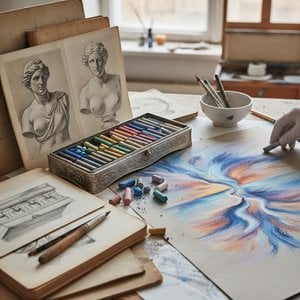
Explore the ethereal beauty of pastel art. Discover how Impressionist masters used soft hues and velvety textures to capture light. A professional guide for art enthusiasts seeking to understand, collect, and appreciate the delicate magic of this timeless medium.

Explore the ethereal beauty of Impressionist landscapes. Discover how masters like Monet captured fleeting light through color and texture, and learn to curate these timeless, luminous masterpieces for your home collection.

Discover the exquisite mastery of pastel and chalk in fine art. Explore how texture, light, and softness create depth in Impressionist masterpieces and learn to curate these velvety textures for sophisticated, luxury interiors with expert guidance.

Discover the profound emotional depth of Post-Impressionist landscapes. Explore how masters like Van Gogh revolutionized art through vibrant color, textured impasto, and symbolic expression in this expert guide to the movement that redefined modern art history.


 效果预览
效果预览
 分享
分享 分享
分享
 详情
详情

 下载
下载
 相似作品
相似作品 X射线
X射线 幻灯片播放
幻灯片播放 统计数据
统计数据

 展开详情
展开详情









 玻璃选项仅适用于110厘米以下的尺寸。


