
博物馆级艺术微喷或帆布版画,制作高效,并提供多种饰面选择。 ( 购买手绘画作 切换至数字图像销售渠道)





























从与原作比例一致的预设尺寸中进行选择。

您可以输入自定义尺寸,以适配特定的画框或空间。如果您选择的尺寸与原图比例不符,我们将对作品进行裁剪,或通过镜像填充/纯色填充边缘的方式来扩展图像。在开始制作之前,我们会向您发送一份数字效果图供您确认。
请注意,屏幕上的预览并不能反映实际的裁剪或扩展效果。只有效果图才能准确展示最终的构图。
虽然我们提供定制尺寸,但为了保持原图比例,我们建议您从预设列表中选择尺寸。

Absinthe
复制品尺寸
Edgar Degas's “Absinthe,” painted in 1876, isn’t merely a depiction of two figures seated at a table; it’s a hauntingly intimate portrait of modern alienation. More than just an Impressionist snapshot, the painting delves into the psychological landscape of late 19th-century Paris—a city teeming with artistic innovation and simmering social anxieties. Degas, famously resistant to the label of “Impressionist,” meticulously observed the world around him, capturing not just appearances but also the subtle nuances of human emotion and experience. ‘Absinthe’ exemplifies this approach, offering a glimpse into a moment suspended in quiet contemplation, yet laden with unspoken melancholy.
The painting immediately draws the eye to its central subjects: a man in a top hat and a woman adorned in fashionable attire. They are positioned within a dimly lit café—the Café de la Nouvelle-Athènes, a notorious haunt for artists and intellectuals of the time—a space that served as both a refuge and a crucible for creative energy. However, their posture and gaze betray a profound disconnect, suggesting an emotional distance far removed from the lively atmosphere surrounding them. The muted palette – dominated by greys, browns, and deep blues – reinforces this sense of isolation, creating a visual echo of the figures’ internal states.
‘Absinthe’ is firmly rooted in the artistic movement known as Intimism. Emerging during the 1870s, Intimism sought to portray the private lives of individuals—often marginalized or overlooked by mainstream art—with a focus on psychological realism. Unlike the grand narratives favored by Romanticism, Intimism explored the quiet moments of everyday existence, revealing the complexities and vulnerabilities of human experience. Degas’s work aligns perfectly with this ethos, eschewing dramatic action in favor of subtle gestures and expressions that speak volumes about the characters' inner lives.
The painting’s historical context is crucial to understanding its significance. The late 19th century was a period of rapid social change in France, marked by industrialization, urbanization, and increasing social inequality. Alcoholism, particularly the consumption of absinthe—a potent anise-flavored spirit—became increasingly prevalent among artists and intellectuals, often associated with bohemian lifestyles and creative inspiration. However, it also carried a darker connotation, linked to addiction, despair, and mental instability. Degas’s depiction of these figures drinking absinthe subtly alludes to this complex social phenomenon, prompting viewers to contemplate the potential consequences of indulgence and isolation.
Beyond its narrative content, ‘Absinthe’ is rich in symbolic detail. The empty wine glasses, scattered bottles, and newspapers on the table suggest a scene interrupted—a moment frozen in time. The man's averted gaze and the woman's vacant stare convey a sense of detachment and disillusionment. Even the composition itself contributes to the painting’s overall effect: the off-center framing creates a feeling of unease and instability, mirroring the characters’ emotional turmoil.
Degas’s masterful technique further enhances the painting’s impact. He employed a loose, expressive brushstroke—characteristic of Impressionism—to capture the fleeting effects of light and shadow. The use of broken color and blurred outlines creates a sense of atmosphere and immediacy, drawing the viewer into the scene. Notably, Degas utilized a technique he called “en plain air,” painting outdoors to better capture the natural light and colors of his subjects. This approach allowed him to create a remarkably realistic depiction of the café’s interior, while simultaneously conveying the emotional intensity of the moment.
‘Absinthe’ remains a powerfully evocative work of art, offering a poignant meditation on themes of isolation, alienation, and the complexities of modern life. It's not simply a depiction of two individuals drinking absinthe; it’s a window into the soul of a bygone era—a time of artistic experimentation, social upheaval, and profound psychological introspection. Degas’s ability to capture these nuances with such sensitivity and precision ensures that ‘Absinthe’ continues to resonate with viewers today, prompting us to contemplate our own place in the world and the enduring challenges of human connection.

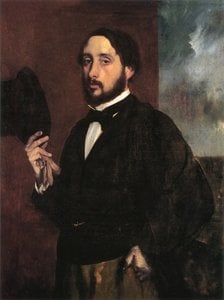
1834 - 1917 , 法国

Master the nuances of Impressionism vs. Post-Impressionism with our expert guide. Explore the revolutionary shift from Monet’s fleeting light to Van Gogh’s emotional depth. Discover how these iconic movements continue to inspire fine art collectors and modern interiors today.


 效果预览
效果预览
 分享
分享 分享
分享
 详情
详情

 下载
下载
 相似作品
相似作品 X射线
X射线 幻灯片播放
幻灯片播放 统计数据
统计数据

 展开详情
展开详情









 玻璃选项仅适用于110厘米以下的尺寸。


