
 Acrylic On CanvasWallArtNorthern Renaissance
 Late Medieval
 71.0 x 71.0 cm
 博物馆博伊曼斯·范布尼兴恩
博物馆级艺术微喷或帆布版画,制作高效,并提供多种饰面选择。 ( 购买手绘画作 切换至数字图像销售渠道)





























从与原作比例一致的预设尺寸中进行选择。

您可以输入自定义尺寸,以适配特定的画框或空间。如果您选择的尺寸与原图比例不符,我们将对作品进行裁剪,或通过镜像填充/纯色填充边缘的方式来扩展图像。在开始制作之前,我们会向您发送一份数字效果图供您确认。
请注意,屏幕上的预览并不能反映实际的裁剪或扩展效果。只有效果图才能准确展示最终的构图。
虽然我们提供定制尺寸,但为了保持原图比例,我们建议您从预设列表中选择尺寸。

The Wayfarer
复制品尺寸
Hieronymus Bosch’s *The Wayfarer*, a captivating oil on oak panel measuring 71 x 71 cm, is more than just a depiction of a man traveling through the countryside; it’s a profound meditation on life’s journey, morality, and the choices that define our path. Created around 1500-1502, this work stands as a testament to Bosch's unique artistic voice—a voice steeped in symbolism, fantasy, and an unsettling awareness of human frailty. Originally part of a larger triptych, now fragmented with pieces scattered across prominent museums, *The Wayfarer* retains its power even in isolation, drawing viewers into a world both familiar and deeply strange.
Bosch’s genius lies not merely in his technical skill but in his masterful use of symbolism. The central figure, an aging man burdened with a staff and a substantial pack, immediately evokes the archetype of the pilgrim or wanderer. His clothing is worn and patched, hinting at hardship and perhaps even spiritual struggle. The wound on his leg, bandaged yet visible, suggests past suffering and ongoing vulnerability. Around him, the landscape teems with life—dogs, cows, birds—yet these creatures don’t offer comfort; they seem to observe with a detached indifference, or even a subtle menace. The tumbledown building in the background, marked by a swan sign, could represent a fleeting moment of respite or a deceptive promise of worldly pleasure. The fence towards which he walks doesn't appear as a boundary but rather an invitation into an unknown future. It’s crucial to remember that Bosch wasn’t simply illustrating a scene; he was constructing a complex allegory, inviting viewers to decipher the hidden meanings embedded within every detail.
Bosch's technique is characterized by meticulous attention to detail and an extraordinary ability to create atmosphere. He employed oil paints with remarkable finesse, building up layers of color and texture to achieve a luminous quality that draws the eye into the scene. The circular format of *The Wayfarer*—a result of its original triptych construction being altered—adds to its intimate and contemplative feel. His style is distinctly Netherlandish, yet utterly unique. While influenced by earlier masters, Bosch transcended conventional artistic boundaries, forging a path that would inspire generations of artists with his fantastical imagery and psychological depth. The painting’s relatively small size belies the vastness of the world it contains—a testament to Bosch's ability to distill complex ideas into a concentrated visual experience.
Hieronymus Bosch remains one of art history’s most enigmatic figures. Born in ’s-Hertogenbosch, Netherlands around 1450, his life is shrouded in mystery, with limited biographical details adding to the allure surrounding his work. His paintings were highly sought after during his lifetime and continued to be copied and disseminated widely, influencing artists like Pieter Bruegel the Elder. Today, *The Wayfarer*—and Bosch’s oeuvre as a whole—continues to captivate audiences with its unsettling beauty and profound philosophical questions. Owning a hand-painted reproduction of this masterpiece allows one to engage directly with Bosch's vision, inviting contemplation on the human condition and the enduring mysteries of life’s journey.


1450 - 1516 , 荷兰

Embark on a scholarly journey through the sacred beauty of High Medieval art. Discover the profound symbolism, luminous iconography, and spiritual depth of Gothic masterpieces in this expert guide for classical art enthusiasts.
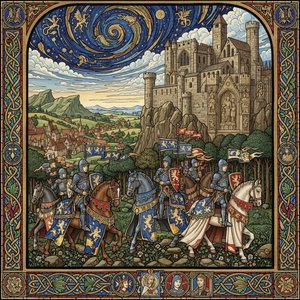
Explore the profound beauty of medieval art through the lens of history. Discover the symbolism of knights, the divine frescoes of Giotto, and how legendary masterpieces continue to inspire modern collectors and lovers of chivalric heritage.

Embark on a scholarly journey through the spiritual grandeur of Late Medieval art. Discover the intricate symbolism, technical mastery, and profound religious narratives that define the Gothic era in this expert-led guide for art enthusiasts and collectors.

Embark on a visual journey through Early Medieval art. Explore the profound beauty of illuminated manuscripts, sacred symbols, and golden light through an expert historical lens, celebrating the enduring legacy of medieval craftsmanship and divine artistry.


 效果预览
效果预览
 分享
分享 分享
分享
 详情
详情

 下载
下载
 相似作品
相似作品 X射线
X射线 幻灯片播放
幻灯片播放 统计数据
统计数据 展开详情
展开详情









 玻璃选项仅适用于110厘米以下的尺寸。


