
博物馆级艺术微喷或帆布版画,制作高效,并提供多种饰面选择。 ( 订购此收藏品的纯手工复刻画作 切换至数字图像销售渠道)





























您可以从与原作比例一致的预设尺寸中进行选择。

您可以输入自定义尺寸,以适配特定的画框或空间。如果您选择的尺寸与原图比例不符,我们将对作品进行裁剪,或通过镜像填充/纯色填充边缘的方式来扩展图像。在开始制作之前,我们会向您发送一份数字效果图供您确认。
请注意,屏幕上的预览并不能反映实际的裁剪或扩展效果。只有效果图才能准确展示最终的构图。
虽然我们提供定制尺寸,但为了保持原图比例,我们建议您从预设列表中选择尺寸。

Last Judgement Triptych (detail)
复刻品尺寸说明
To gaze upon this detail from Hieronymus Bosch’s Last Judgement Triptych is to step beyond the threshold of the known world and into a realm of unsettling psychological drama. Painted around 1504, during a period of profound theological tension and artistic metamorphosis, this fragment serves as a window into the master's singular, feverish vision. Bosch does not merely depict a biblical event; he plunges the viewer into a landscape of divine reckoning where the boundaries between the earthly and the infernal dissolve. The central figure, clutching a staff topped with a crucifix, stands as a beacon of spiritual struggle amidst a sea of chaos, his furrowed brow capturing the very essence of human dread and the weight of eternal consequence.
The artistry on display is a masterful bridge between the meticulous traditions of Late Gothic art and the burgeoning expressive distortions of Mannerism. Bosch eschews the pursuit of idealized beauty, choosing instead to embrace the grotesque and the fantastical to prioritize emotional resonance. Through a sophisticated command of chiaroscroll, the artist manipulates light and shadow to sculpt form, lending a startling physicality to flesh and bone. One can almost feel the tension in the textures created by his precise hatching and cross-hatching techniques, which breathe life into the harrowing details of the scene. For the collector or designer, this piece offers a profound depth of texture and tonal complexity that commands attention in any curated space.
Every element within this composition is steeped in the dense symbolism characteristic of the Northern Renaissance. The mountainous landscape, rising sharply behind the figures, acts as a symbolic representation of purgatory—a rugged, arduous journey toward salvation. Bosch populates this terrain with creatures that are far from mere decorations; the inclusion of animals like foxes and owls serves as a biting commentary on temptation, deceit, and the spiritual battles waged within the human heart. This interplay of the sacred and the profane creates a narrative tension that is both intellectually stimulating and visually arresting.
The historical context of Brabant—a region then grappling with religious reformations and shifting papal authorities—is etched into every brushstroke. Bosch’s work reflects the societal anxieties of his era, weaving medieval folklore and demonology into a cohesive vision of the apocalypse. This makes the artwork not just a relic of the past, but a timeless exploration of morality and the human condition. For those seeking to bring a sense of historical gravity and intellectual intrigue to an interior, this reproduction offers an unparalleled opportunity to possess a piece of art history that continues to provoke thought and conversation centuries after its creation.


1450 - 1516 , 荷兰

Explore the exquisite elegance of Late Gothic art. Discover how masters like Carlo Crivelli and Stefan Lochner blended intricate detail and religious devotion to bridge the Middle Ages and the Renaissance in this expert art history guide for true connoisseurs.
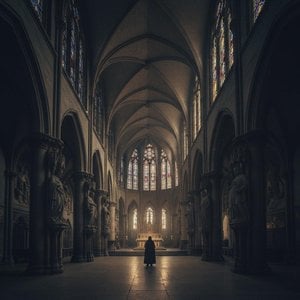
Embark on a journey through the dramatic era of Gothic art. Discover the profound beauty of illuminated manuscripts, sacred gold leaf masterpieces, and the transition to naturalism in this expert-led exploration of medieval artistry and historical grandeur.
Explore the exquisite elegance of International Gothic art. Discover the mastery of illuminated manuscripts, the brilliance of gold leaf, and the legacy of the Limbourg Brothers in this expert guide to Europe's sophisticated medieval dawn.

Embark on a scholarly journey through the spiritual grandeur of Late Medieval art. Discover the intricate symbolism, technical mastery, and profound religious narratives that define the Gothic era in this expert-led guide for art enthusiasts and collectors.


 实景预览
实景预览
 发送
发送 分享
分享
 详情
详情 指南
指南

 下载图片
下载图片
 相似作品
相似作品 X射线
X射线 幻灯片播放
幻灯片播放 统计数据
统计数据


 阅读全文
阅读全文









 玻璃选项仅适用于110厘米以下的尺寸。


