AcrylicWallArtNorthern Renaissance
 Early Medieval
 285.0 x 205.0 cm
 格拉芬斯卡尔·阿尔贝蒂纳博物馆
博物馆级艺术微喷或帆布版画,制作高效,并提供多种饰面选择。 ( 订购此收藏品的纯手工复刻画作 切换至数字图像销售渠道)





























您可以从与原作比例一致的预设尺寸中进行选择。

请输入您所需的宽度和高度,以适配您的画框或墙面。由于印刷品只能进行裁剪,无法超出原图尺寸,因此若比例不一致,画面的一部分将会被裁切。在正式印刷之前,我们会为您发送一份数字效果图供您确认。本页面显示的图片并非最终裁剪后的效果——只有效果图才能展示真实的裁剪情况。
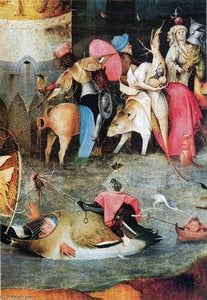
Beggars
复刻品尺寸说明
Hieronymus Bosch's "Beggars," a meticulously rendered pen and ink drawing, isn’t merely a depiction of poverty; it’s a profound meditation on human nature, steeped in the anxieties and moral complexities of late medieval Europe. Created around 1500, this work transcends its subject matter to become a haunting allegory, reflecting Bosch's signature blend of meticulous realism with fantastical and unsettling imagery—a visual vocabulary that continues to captivate and disturb centuries later. The drawing’s stark monochrome palette – shades of gray and white – immediately establishes an atmosphere of solemnity and unease, mirroring the hardship depicted within its crowded composition. It’s a scene not of simple charity, but of a deeper, more unsettling truth about societal structures and human vulnerability.
Bosch's genius lies in his ability to imbue everyday subjects with symbolic weight. The figures sprawled across the frame—beggars, crippled individuals, and those seemingly lost in contemplation—are not simply portraits of the destitute; they represent a broader critique of societal failings. The sheer density of the scene, achieved through overlapping forms and intricate hatching techniques, creates a claustrophobic effect, mirroring the feeling of entrapment experienced by these marginalized members of society. The lack of a clear focal point forces the viewer to confront the multitude of sorrows represented, demanding an active engagement with the artwork’s unsettling narrative.
“Beggars” is a testament to Bosch's extraordinary technical skill. The work is dominated by fine, precise lines—a hallmark of his meticulous penmanship. Bosch masterfully employs hatching and cross-hatching techniques to build up tonal values and define the forms of the figures with remarkable detail. This painstaking process creates an illusion of texture and volume, giving a tangible quality to the seemingly frail bodies depicted. The varying pressure applied to the quill results in subtle shifts in tone, mimicking the play of light and shadow—a sophisticated technique that elevates the drawing beyond simple representation.
The choice of pen and paper is crucial to understanding the artwork’s character. The delicate lines evoke a sense of fragility and vulnerability, mirroring the plight of the subjects depicted. The stark contrast between the dark ink and the white paper creates an almost theatrical effect, emphasizing the figures' isolation and despair. It’s a deliberate choice that underscores the drawing’s emotional intensity.
As with much of Bosch’s oeuvre, “Beggars” is laden with symbolic meaning—though its precise interpretations remain open to debate. The figures themselves can be seen as representations of sin, temptation, or the consequences of moral decay. The presence of animals – a recurring motif in Bosch's work – adds another layer of complexity, suggesting a blurring of boundaries between humanity and the natural world. Some scholars have linked the scene to biblical narratives of judgment and punishment, while others interpret it as a commentary on the social injustices prevalent during Bosch’s time.
The overall effect is profoundly unsettling—a visual representation of human suffering and the potential for corruption within society. “Beggars” isn't simply a depiction of poverty; it’s an invitation to confront uncomfortable truths about ourselves and the world around us, a timeless reminder of the enduring challenges faced by those on the margins of society.
“Beggars”属于因布洛赫 (Yīnbùluòhé)艺术生涯中的Late Period时期。这一分类将该作品与艺术家的创作发展历程联系在一起。
《因布洛赫 (Yīnbùluòhé) 的《Beggars》》所传达的意境为Dramatic,其情感基调为Somber。
Green to Violet Spectrum 色调贯穿了 因布洛赫 (Yīnbùluòhé) 的《Beggars》。


1450 - 1516 , 荷兰

Embark on a profound journey through the soul of Chinese calligraphy. Explore the historical mastery of ink, brush, and script, from ancient Zhuanshu to elegant running script, and discover how this timeless art form reflects the enduring spirit of classical East Asian aesthetics.
Embark on a sophisticated exploration of ink wash painting and Sumi-e. Uncover the profound historical lineages, Zen philosophies, and technical mastery behind this timeless medium in our authoritative guide for fine art enthusiasts.

Discover the sophisticated mastery of graphite drawing. Explore expert techniques for achieving profound depth, intricate texture, and hyper-realistic detail through the alchemy of carbon, curated for the discerning art enthusiast and professional collector.

Explore the profound artistry of graphite drawing. Discover professional techniques for mastering depth, texture, and detail through a lens of art history, from classical sketches to modern masterpieces. Elevate your understanding of the pencil medium with our expert guide.

Elevate your artistic practice with this expert guide to mastering the line. Discover advanced techniques in graphite, charcoal, and contour drawing designed for art students seeking technical precision and expressive depth in their fine art studies.


 实景预览
实景预览
 发送
发送 分享
分享
 详情
详情 指南
指南

 下载图片
下载图片
 相似作品
相似作品 X射线
X射线 幻灯片播放
幻灯片播放 统计数据
统计数据 阅读全文
阅读全文









 玻璃选项仅适用于110厘米以下的尺寸。