EtchingBaroque
 1625
1625 155.0 x 173.0 cm
 国家博物馆 (Rijksmuseum)
博物馆级艺术微喷或帆布版画,制作高效,并提供多种饰面选择。 ( 订购此收藏品的纯手工复刻画作 切换至数字图像销售渠道)





























您可以从与原作比例一致的预设尺寸中进行选择。

请输入您所需的宽度和高度,以适配您的画框或墙面。由于印刷品只能进行裁剪,无法超出原图尺寸,因此若比例不一致,画面的一部分将会被裁切。在正式印刷之前,我们会为您发送一份数字效果图供您确认。本页面显示的图片并非最终裁剪后的效果——只有效果图才能展示真实的裁剪情况。
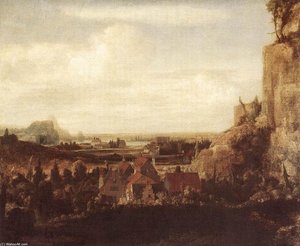
Two Trees
复刻品尺寸说明
Hercules Pieterszoon Seghers (1590 – c. 1638) stands as a singular figure in the Dutch Golden Age landscape tradition, celebrated for his audacious experimentation with printmaking and his ability to capture the sublime beauty of mountainous vistas. “Two Trees,” created around 1625, exemplifies this distinctive approach—a masterful etching that transcends mere depiction to convey an atmosphere of profound serenity and spiritual contemplation.
The artwork presents a meticulously rendered scene featuring two trees positioned prominently in the center of the composition. One tree is mature and robust, its branches laden with dense foliage, while the other is younger, displaying delicate twigs emerging from the trunk—a subtle gesture hinting at regeneration and resilience. The trees are set against a backdrop of towering alpine peaks bathed in soft, diffused light, creating an illusion of depth that draws the viewer’s eye upwards into the expansive sky.
Seghers' technique is remarkable for its departure from conventional methods. Unlike many artists of his time who relied solely on black ink to achieve tonal effects, Seghers skillfully employed a combination of etching and aquatint—a process involving multiple plates inked with varying degrees of opacity—to produce nuanced gradations of color. The use of azurite and precipitated yellow lake pigments lends the image an ethereal quality, capturing the subtle hues of twilight and enhancing the overall impression of grandeur.
The etching’s historical context is crucial to understanding its significance. Produced during a period marked by intellectual ferment and artistic innovation—the Baroque era—“Two Trees” reflects the burgeoning interest in exploring themes of spirituality and contemplation within the natural world. Seghers' inspiration drew heavily from Flemish landscape painters like Abraham van Ouhibbee, who had pioneered the depiction of dramatic mountainscapes infused with religious symbolism.
More than just a visual representation of scenery, “Two Trees” embodies a philosophical stance rooted in humanist ideals. The tree imagery—particularly the young sapling—represents hope and renewal, mirroring the broader humanist preoccupation with the cyclical nature of life and the enduring power of beauty to uplift the human spirit. Its placement against the majestic Alps underscores the grandeur of God’s creation and invites viewers to contemplate the sublime.
Currently housed at the Rijksmuseum in Amsterdam, “Two Trees” remains a testament to Seghers' artistic genius—a timeless masterpiece that continues to inspire admiration for its technical virtuosity and emotional resonance. It serves as an enduring reminder of the Dutch Golden Age’s fascination with capturing the sublime beauty of nature and conveying profound spiritual truths.

1590 - 1638 , 荷兰

Journey through 10 legendary etching masterpieces by Rembrandt, Dürer & Goya. Explore the history of printmaking and discover timeless art for your home. Find museum-quality reproductions at WahooArt.com.

Explore the rich history of trees in painting! Discover symbolism, Romantic masterpieces by Caspar David Friedrich & beyond. A curated journey for art enthusiasts.

深入探索蚀刻艺术的历史、技法与大师之作。专业分析光影线条美学,了解伦勃朗、丢勒等大师的创作秘诀。WahooArt.com为您提供高品质油画复制和定制服务,重现经典艺术!

探索浪漫主义风景画的巅峰!本文精选十部经典名作,带您领略莫奈、库尔贝等大师的艺术魅力。感受色彩与光影的诗意,重温自然风光的震撼。WahooArt.com为您提供博物馆级别的艺术复制品和个性化家居装饰方案。尽在WahooArt.com!

Master the art of drama with our ultimate guide to Baroque landscapes. Discover the power of chiaroscuro, explore legendary masters, and learn how to curate epic, dark-vibe masterpieces for your collection with expert insights from WahooArt.


 实景预览
实景预览
 发送
发送 分享
分享
 详情
详情 指南
指南

 下载图片
下载图片
 相似作品
相似作品 X射线
X射线 幻灯片播放
幻灯片播放 统计数据
统计数据 阅读全文
阅读全文









 玻璃选项仅适用于110厘米以下的尺寸。