
由我们的艺术家按需定制,为您提供您所选尺寸及画框的布面手工油画。 ( 切换至版画销售渠道 切换至数字图像销售渠道)





























您可以从与原作比例一致的预设尺寸中进行选择。

您可以输入自定义尺寸,以适配特定的画框或空间。如果所选尺寸与原图比例不符,我们将通过裁剪作品或添加手绘元素来扩展画面。数字样稿将在制作开始前发送给您确认。
请注意,屏幕预览无法准确反映实际的裁剪或扩展效果,只有样稿才能真实呈现最终的构图。
虽然我们提供定制尺寸服务,但为了保留原作比例,建议您从预设列表中选择尺寸。

EonhaeTaesanjibyo
复刻品尺寸说明

In the long, storied tapestry of the Joseon dynasty, few names resonate with as much profound reverence and enduring legacy as Heo Jun. Born in Seoul around 1539, Heo Jun did not command armies or reshape borders through conquest; instead, he waged a quiet, relentless crusade against suffering and ignorance. His life was a testament to the power of meticulous observation and an unwavering dedication to the preservation of human vitality. Emerging from a family deeply rooted in the Confucian traditions of scholarship and ethical conduct, Heo Jun’s early years were defined by a rigorous intellectual discipline. This foundation of moral virtue and classical learning would later become the very heartbeat of his medical philosophy, allowing him to view the human condition not merely as a collection of symptoms, but as a delicate, interconnected harmony of mind, body, and spirit.
The trajectory of Heo Jun’s life took a transformative turn when he entered the service of the royal court under the reign of King Seonjo. As a Royal Physician, he was granted unparalleled access to the vast repositories of medical knowledge accumulated over centuries. Yet, it was his ability to synthesize this ancient wisdom with practical, compassionate application that set him apart. He recognized the profound limitations of existing medical practices in addressing the specific ailments prevalent in the Korean peninsula during his era. Driven by a desire to create a more accessible and effective system of healing, he championed a paradigm shift toward a comprehensive methodology rooted in herbal remedies, acupuncture, and dietary wisdom—a holistic approach that prioritized the well-being of the common person as much as the nobility.
The pinnacle of Heo Jun’s life work, and perhaps his greatest gift to global medical history, is the Donguibogam (Mirror of Eastern Medicine). Completed toward the end of his life, this monumental medical encyclopedia represents a breathtaking synthesis of tradition and innovation. The text is far more than a mere catalog of ailments; it is a structured masterpiece divided into five profound chapters: Naegyeongpyueon (Internal Medicine), Oehyeongpyeon (External Medicine), Japbyeongpyeon (Miscellaneous Diseases), Tangaekpyeon (Remedies), and Chimgupyeon (Acupuncture). Through these pages, Heo Jun meticulously documented the nuances of human physiology and the therapeutic potential of local flora, creating a localized medical language that empowered practitioners to treat patients using resources readily available within their own communities.
The historical significance of this work cannot be overstated. The Donguibogam was so foundational to the practice of Eastern medicine that it became a cornerstone of Korean identity and scientific achievement. Its brilliance lies in its clarity and its focus on preventative care, emphasizing the maintenance of balance within the body to ward off disease. This dedication to the preservation of life was so profound that in 2010, UNESCO recognized the Donguibogam by including it in the Memory of the World Programme, marking it as a vital piece of human cultural heritage. Heo Jun’s ability to codify complex medical theories into a usable, enduring format ensured that his knowledge would transcend the boundaries of time and geography.
Beyond the ink and parchment of his manuscripts, Heo Jun’s true legacy resides in the centuries of healing that followed his death in 1615. He remains a symbol of the physician as a scholar-saint, an individual whose intellect was entirely subservient to the service of humanity. His life story—often dramatized in Korean culture as a journey of overcoming social barriers through merit and compassion—continues to inspire modern generations. He stands as a monumental figure who bridged the gap between the esoteric knowledge of the elite and the practical needs of the populace, ensuring that the art of healing was a universal right rather than a luxury.
To study Heo Jun is to study the very essence of Korean traditional medicine. His contributions include:

1539 - 1615 , South Korea

Embark on a profound journey through the soul of Chinese calligraphy. Explore the historical mastery of ink, brush, and script, from ancient Zhuanshu to elegant running script, and discover how this timeless art form reflects the enduring spirit of classical East Asian aesthetics.

Explore the profound beauty of ancient ruins through fine art history. Discover how masters like Pannini captured Roman grandeur, and learn how to bring this timeless architectural majesty into your home with museum-quality, hand-painted oil reproductions.
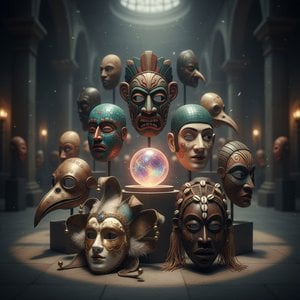
Embark on a profound journey through the world's most iconic mask artworks. Explore the spiritual depth, intricate craftsmanship, and rich cultural heritage of global traditions, from Chhau to Gomira, in this expert-led exploration of ancestral artistry and symbolic beauty.
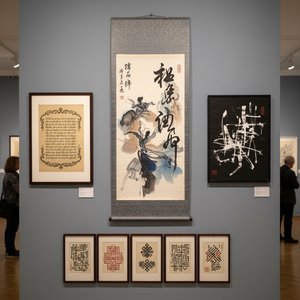
Explore the profound beauty of calligraphy art. From the fluid running script of Chinese masters to historical ink masterpieces, discover how the elegance of line transforms spaces with timeless grace and scholarly sophistication.
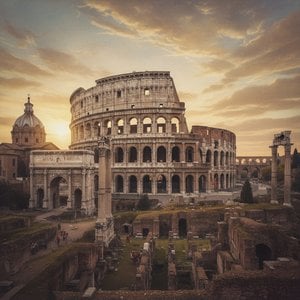
Explore the profound beauty of Roman architecture through art history. From Piranesi's evocative engravings to classical masterpieces, discover how the grandeur of ancient Rome continues to inspire collectors and art enthusiasts worldwide.


 实景预览
实景预览
 发送
发送 分享
分享
 详情
详情 指南
指南

 下载图片
下载图片
 相似作品
相似作品 X射线
X射线 幻灯片播放
幻灯片播放 统计数据
统计数据


 阅读全文
阅读全文









 玻璃选项仅适用于110厘米以下的尺寸。


