































从与原作比例一致的预设尺寸中进行选择。

您可以输入自定义尺寸,以适配特定的画框或空间。如果您选择的尺寸与原图比例不符,我们将对作品进行裁剪,或通过镜像填充/纯色填充边缘的方式来扩展图像。在开始制作之前,我们会向您发送一份数字效果图供您确认。
请注意,屏幕上的预览并不能反映实际的裁剪或扩展效果。只有效果图才能准确展示最终的构图。
虽然我们提供定制尺寸,但为了保持原图比例,我们建议您从预设列表中选择尺寸。

Hugh William Williams
复制品尺寸
Henry Raeburn’s “Hugh William Williams,” painted circa 1818, is more than a simple portrait; it's a carefully constructed window into the heart of the Scottish Highlands and a testament to the artist’s mastery of capturing both likeness and atmosphere. The subject, Hugh William Williams, a prominent watercolourist known for his evocative depictions of the region, is presented in a three-quarter pose, seated within a richly detailed interior that subtly anchors him to a specific place and time. The painting immediately draws the eye with its restrained palette – primarily cool blues, greens, and browns – mirroring the muted tones of the landscape beyond the window, creating an immediate sense of tranquility and contemplative observation.
Raeburn’s technique is a remarkable blend of realism and impressionism. He employs a meticulous attention to detail, evident in the rendering of Williams' clothing – the texture of the fabric, the subtle folds, and the precise depiction of his watch chain—yet simultaneously utilizes loose brushstrokes and carefully placed highlights to evoke the diffused light filtering through the window. The artist masterfully manipulates chiaroscuro, employing strong contrasts between light and shadow to sculpt Williams’ face and hands, lending them a palpable sense of volume and presence. Notice particularly how Raeburn uses subtle gradations of tone to suggest the depth of the room – the receding wall, the shadowed corner—creating an illusion of spatial realism that belies the painting's relatively small scale.
To fully appreciate “Hugh William Williams,” it’s crucial to understand the artistic landscape of early 19th-century Scotland. Following in the footsteps of his predecessor, Sir Henry Raeburn, a Scottish Master of Realism, Williams was part of a burgeoning movement that sought to establish portraiture as a distinctly national art form. Raeburn's success paved the way for other Scottish artists to gain recognition within the Royal Academy and beyond. The painting reflects this shift—a move away from purely formal, aristocratic portraits towards a more intimate and character-driven approach, capturing not just outward appearance but also the personality and spirit of the subject. Williams himself was a significant figure in this movement, known for his own landscape paintings that celebrated the beauty and ruggedness of the Scottish Highlands.
Beyond its technical brilliance, “Hugh William Williams” is rich in subtle symbolism. The window itself serves as a crucial element, framing the scene and acting as a visual metaphor for contemplation and connection to nature. The books stacked on the table suggest Williams’ intellectual pursuits and his engagement with the wider world of art and knowledge. The overall mood of the painting—serene, thoughtful, and slightly melancholic—reflects the quiet dignity of the subject and evokes a sense of nostalgia for a bygone era. It's not merely a portrait; it’s an invitation to step into another time and place, to share in Williams’ contemplative gaze.
“Hugh William Williams” remains a captivating example of Henry Raeburn’s artistic vision and a poignant representation of Scottish identity. Reproductions of this iconic painting continue to resonate with viewers today, offering a glimpse into the beauty and spirit of the Highlands—a timeless testament to the power of art to capture both the physical landscape and the human soul.


1756 - 1823 , 英国
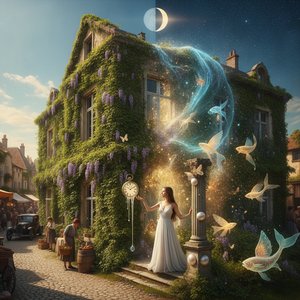
Explore the enigmatic world of Magic Realism. From its German origins to Latin American mastery, discover how this sophisticated movement blends reality with the extraordinary—perfect for discerning collectors seeking depth and wonder in fine art.

Transform your most cherished family memories into breathtaking oil masterpieces. Discover the elegance of bespoke, hand-painted portrait commissions, meticulously crafted by academy-trained artists to create a timeless legacy for your home and generations to come.


 效果预览
效果预览
 购买手绘画作
 分享
分享 分享
分享
 详情
详情

 下载
下载
 相似作品
相似作品 X射线
X射线 幻灯片播放
幻灯片播放


 展开详情
展开详情









 玻璃选项仅适用于110厘米以下的尺寸。


