
由我们的艺术家按需定制,为您提供您所选尺寸及画框的布面手工油画。 ( 切换至版画销售渠道 切换至数字图像销售渠道)





























从与原作比例一致的预设尺寸中进行选择。

您可以输入自定义尺寸,以适配特定的画框或空间。如果所选尺寸与原图比例不符,我们将通过裁剪作品或添加手绘元素来扩展画面。数字样稿将在制作开始前发送给您确认。
请注意,屏幕预览无法准确反映实际的裁剪或扩展效果,只有样稿才能真实呈现最终的构图。
虽然我们提供定制尺寸服务,但为了保留原作比例,建议您从预设列表中选择尺寸。

Francis Horner
复制品尺寸
Sir Henry Raeburn stands as a pivotal figure in British portraiture, embodying the spirit of the Scottish Enlightenment. His journey from humble beginnings to royal patronage exemplifies artistic dedication and unwavering talent. Orphaned at a young age, his formative years were shaped by the steadfast support of his brother William, who secured him an education at Heriot’s Hospital in Edinburgh—a foundation that proved crucial for honing his artistic vision.
Initially apprenticed to James Gilliland, a goldsmith, Raeburn swiftly developed a mastery of intricate detail and refined skill. This meticulous craftsmanship would become synonymous with his distinctive style. He began creating miniature portraits on ivory, demonstrating an innate ability to capture likenesses with remarkable accuracy—a technique that foreshadowed his later explorations into oil painting.
However, Raeburn’s artistic path wasn't solely defined by technical precision. His fascination with the natural world profoundly influenced his compositions, particularly evident in landscapes infused with Romantic sensibilities. He sought to convey not merely visual representation but also emotional resonance—a desire to capture the essence of human experience within a carefully crafted frame.
Raeburn's artistic breakthrough arrived with his engagement in the Edinburgh Review alongside fellow Whig intellectuals—a collaboration that cemented his reputation as a visionary thinker and influential voice within Scottish intellectual circles. This association fostered an environment of critical debate and encouraged him to champion progressive ideals, shaping his artistic perspective.
His prolific output spanned across various mediums, including portraiture, landscape painting, and printmaking—each reflecting his evolving stylistic sensibilities. Notably, he achieved renown for his depiction of Lord Newton and Dr Alexander Adam in the National Gallery of Scotland, masterpieces that exemplify his masterful command of light and color.
The portrait itself is a testament to Raeburn’s ability to distill complex character into a single image—a feat achieved through careful observation and skillful rendering. The subdued palette of reds and browns contributes to an atmosphere of quiet contemplation, inviting viewers to consider the sitter's inner life alongside his outward appearance.
Furthermore, the inclusion of two chairs—one occupied by Horner and another positioned slightly behind him—creates a dynamic compositional arrangement that subtly conveys notions of intellectuality and social engagement. Raeburn’s meticulous attention to detail extends beyond mere likeness; it encompasses an exploration of psychological nuance and emotional depth.
Beyond its aesthetic merits, the portrait holds significance as a product of its time—a reflection of the Enlightenment’s emphasis on reason and observation. It stands as an enduring symbol of Scottish artistic excellence and continues to inspire admiration for Raeburn's unparalleled skill in capturing the human spirit.


1756 - 1823 , 英国

Explore the life & work of Henry Raeburn Dobson, a key figure bridging Scottish tradition & modern art. Discover his neoclassical portraits, landscapes, and connection to the Colourists. Learn about collecting his works.

探索弗朗西斯·培根25幅震撼人心的杰作,深入了解这位现代艺术大师的创作故事与情感世界。从《三幅习作》到肖像画,感受抽象表现主义的魅力。WahooArt.com提供高品质艺术品复制,为您的家居空间增添艺术气息!立即探索完整系列。
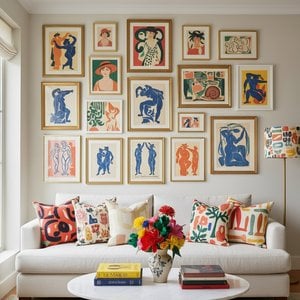
探索亨利·马蒂斯25幅杰作,感受野兽派色彩的魅力!从《舞蹈》到《红色和谐》,揭秘大师背后的故事与艺术灵感。WahooArt.com提供博物馆级高质量油画复制品,为您的家居增添奢华艺术气息。立即在线探索完整系列!

Explore the life & work of Henry Raeburn, a master Scottish portraitist. Discover his innovative techniques, captivating portraits of the Enlightenment era, and lasting legacy in art history. Learn more at WahooArt.

Explore the captivating world of Francis Campbell Cadell, a leading Scottish Colourist. Discover his elegant Edinburgh interiors, vibrant portraits & unique style. Learn about his influences and enduring legacy with WahooArt.


 效果预览
效果预览
 分享
分享 分享
分享
 详情
详情

 下载
下载
 相似作品
相似作品 X射线
X射线 幻灯片播放
幻灯片播放 统计数据
统计数据

 展开详情
展开详情









 玻璃选项仅适用于110厘米以下的尺寸。


