
博物馆级艺术微喷或帆布版画,制作高效,并提供多种饰面选择。 ( 购买手绘画作 切换至数字图像销售渠道)





























从与原作比例一致的预设尺寸中进行选择。

您可以输入自定义尺寸,以适配特定的画框或空间。如果您选择的尺寸与原图比例不符,我们将对作品进行裁剪,或通过镜像填充/纯色填充边缘的方式来扩展图像。在开始制作之前,我们会向您发送一份数字效果图供您确认。
请注意,屏幕上的预览并不能反映实际的裁剪或扩展效果。只有效果图才能准确展示最终的构图。
虽然我们提供定制尺寸,但为了保持原图比例,我们建议您从预设列表中选择尺寸。

A Dog
复制品尺寸
Henry Raeburn's "A Dog," painted circa 1795, is more than just a depiction of an animal; it’s a profound meditation on companionship, domesticity, and the burgeoning Romantic sensibility taking hold in late 18th-century Britain. This seemingly simple portrait, rendered in oil on canvas with a masterful command of light and shadow, reveals layers of observation and emotional depth that continue to resonate with viewers today. Initially conceived as a miniature for a discerning patron, its subsequent enlargement into a full-length painting cemented Raeburn’s reputation as a leading figure in British art, marking a significant shift away from the rigid formality of earlier portraiture.
The subject itself—a Spaniel or similar breed, judging by its characteristic floppy ears and gentle expression—is presented with an almost startling intimacy. The dog is captured not as a symbol of status or wealth, but as a creature of quiet dignity and inherent goodness. Raeburn’s skill lies in his ability to convey this essence through subtle details: the slight furrow of the brow suggesting thoughtful contemplation, the relaxed posture hinting at contentment, and the soft, diffused light bathing the animal's form. The composition is deliberately uncluttered, focusing entirely on the dog within a dark, undefined space—a deliberate choice that amplifies the subject’s presence and draws attention to its inherent qualities.
Raeburn’s technique is characterized by a remarkable blend of precision and spontaneity. The brushstrokes are loose and expressive, creating a palpable sense of texture—particularly evident in the rendering of the dog's fur, which appears almost tactile. This impasto-like quality, achieved through layers of thick paint applied with visible strokes, contributes significantly to the painting’s emotional impact. The use of chiaroscuro – the dramatic contrast between light and dark – is particularly noteworthy, sculpting the dog’s form and imbuing it with a sense of three-dimensionality. Raeburn was deeply influenced by the Italian masters, notably Caravaggio and Rembrandt, whose techniques he skillfully adapted to his own style. The strong directional lighting, reminiscent of Rembrandt's dramatic use of light, creates a powerful focal point and emphasizes the dog’s form against the dark background.
"A Dog" is imbued with symbolic meaning that reflects the prevailing values of the Romantic era. Dogs have long been associated with loyalty, fidelity, and companionship—qualities highly valued during a period marked by social upheaval and a renewed interest in nature and emotion. The dog’s relaxed posture can be interpreted as an embodiment of peacefulness and contentment, offering a respite from the anxieties of the time. Furthermore, the painting's focus on the domestic sphere aligns with the Romantic movement’s celebration of everyday life and its rejection of aristocratic grandeur. The absence of extraneous details—no elaborate background or ornate accessories—underscores the painting’s emphasis on the simple beauty and inherent worth of the subject.
“A Dog” stands as a pivotal work in Raeburn's oeuvre, demonstrating his mastery of portraiture and his ability to capture not just likeness but also character. It represents a departure from the formal conventions of earlier portraiture, embracing a more intimate and emotionally resonant approach. The painting’s enduring appeal lies in its quiet dignity, its masterful technique, and its profound exploration of human-animal connection. Today, reproductions of this iconic work continue to captivate audiences, offering a glimpse into the artistic sensibilities of a bygone era and reminding us of the timeless beauty found in the simplest of subjects.


1756 - 1823 , 英国

Explore the profound beauty of Academic Painting and Realism. Discover how master artists capture truth through meticulous technique, offering discerning collectors unparalleled excellence in hand-painted oil reproductions and bespoke fine art commissions.
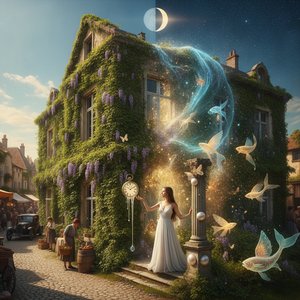
Explore the enigmatic world of Magic Realism. From its German origins to Latin American mastery, discover how this sophisticated movement blends reality with the extraordinary—perfect for discerning collectors seeking depth and wonder in fine art.


 效果预览
效果预览
 分享
分享 分享
分享
 详情
详情

 下载
下载
 相似作品
相似作品 X射线
X射线 幻灯片播放
幻灯片播放 统计数据
统计数据

 展开详情
展开详情









 玻璃选项仅适用于110厘米以下的尺寸。


