博物馆级艺术微喷或帆布版画,制作高效,并提供多种饰面选择。 ( 购买手绘画作 切换至数字图像销售渠道)





























从与原作比例一致的预设尺寸中进行选择。

您可以输入自定义尺寸,以适配特定的画框或空间。如果您选择的尺寸与原图比例不符,我们将对作品进行裁剪,或通过镜像填充/纯色填充边缘的方式来扩展图像。在开始制作之前,我们会向您发送一份数字效果图供您确认。
请注意,屏幕上的预览并不能反映实际的裁剪或扩展效果。只有效果图才能准确展示最终的构图。
虽然我们提供定制尺寸,但为了保持原图比例,我们建议您从预设列表中选择尺寸。

Provençal Winter
复制品尺寸
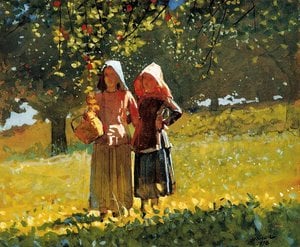
Henry Herbert La Thangue's "Provençal Winter," painted in 1903, isn’t merely a depiction of a rural scene; it’s an immersion into the very soul of the South of France. This oil on canvas transports us to a sun-drenched hillside, where a woman diligently harvests lemons beneath a canopy of roses and ancient trees – a tableau brimming with quiet industry and understated beauty. La Thangue, a key figure in the New English Art Club movement, masterfully captured the essence of Impressionism while firmly rooted in British realist tradition, creating an artwork that resonates with both familiarity and exotic allure.
The painting’s genesis lies within La Thangue's extensive travels throughout Europe. Following his time in Paris, where he honed his skills under Jean-Léon Gérôme, the artist sought to translate the vibrant light and atmosphere of Provence onto canvas. This period marked a significant shift in his style – moving away from purely academic representation towards a more evocative approach that prioritized capturing fleeting moments of natural beauty. “Provençal Winter” exemplifies this evolution; it’s less about precise detail and more about conveying the feeling of warmth, tranquility, and the rhythm of rural life.
La Thangue's technique is characterized by a remarkable sensitivity to light and color. He employs broken brushstrokes – short, distinct marks that blend optically rather than through meticulous layering – creating a shimmering effect reminiscent of sunlight filtering through foliage. The dominant hues are warm earth tones: ochres, siennas, and umbers create the foundation for the landscape, while bursts of pink from the roses and the pale yellows of the lemons inject vibrant energy into the composition. Notice how he uses subtle gradations of color to suggest depth and volume; the distant trees recede into a hazy blue-grey, creating an illusion of atmospheric perspective.
The artist’s choice of medium – oil on canvas – further contributes to the painting's richness and texture. The slow drying time of oil paint allowed La Thangue to build up layers of color gradually, achieving a remarkable sense of luminosity and tactile quality. He skillfully utilizes impasto—thickly applied paint—to accentuate the rough bark of the trees and the textured surface of the lemons, adding a tangible dimension to the scene.
Beyond its aesthetic beauty, “Provençal Winter” is rich in symbolic meaning. The woman harvesting lemons represents not just labor but also abundance, fertility, and the cyclical nature of life. Lemons, traditionally associated with prosperity and vitality, are a potent symbol within this context. The roses, with their delicate fragrance and vibrant color, evoke themes of love, beauty, and fleeting moments of joy. The scene itself suggests a harmonious relationship between humanity and nature – a quiet celebration of the simple pleasures of rural existence.
Furthermore, the painting’s setting—a sun-drenched hillside in Provence—holds historical significance. The region has long been associated with artistic inspiration, attracting painters like Cézanne and Van Gogh who sought to capture its unique light and atmosphere. La Thangue's work reflects this legacy, drawing upon the traditions of plein air painting while forging his own distinctive style.
"Provençal Winter" stands as a testament to Henry Herbert La Thangue’s artistic vision and technical skill. WahooArt.com offers meticulously crafted, hand-painted oil reproductions that faithfully capture the essence of this iconic artwork. These reproductions are created by skilled artisans using high-quality materials, ensuring that they retain the luminosity, texture, and emotional impact of the original. Whether adorning a living room wall or gracing a corporate office, “Provençal Winter” continues to evoke feelings of serenity, warmth, and timeless beauty—a perfect embodiment of the idyllic charm of Provence.

在英国现实主义风景画的璀璨织锦中,亨利·赫伯特·拉·唐格(Henry Herbert La Thangue)无疑是一位举足轻重的核心人物。这位大师用他的画笔捕捉到了英格兰乡村那份宁静的尊严,以及欧洲大陆转瞬即逝的光影变幻。1859年,他出生于萨里郡的克罗伊登,其艺术生涯始于维多利亚时代伦敦那充满思想激荡的氛围之中。在杜立奇学院求学期间,拉·唐格与斯坦霍普·福布斯及弗雷德里克·古德尔等艺术名流建立了深厚的联系,这使他很早就培养出了一种对细致观察的深刻鉴赏力。这段塑造性的时期,为他注入了对细节近乎执着的追求,而这种对细节的坚守也成为了他永恒艺术遗产的标志。
他的正式教育历程充满了严谨的纪律感,足迹遍布兰贝斯艺术学院以及伦敦享有盛誉的皇家艺术学院。1879年成为了他人生中的一个分水岭,那一年他荣获了梦寐以求的金奖,这一成就促使他前往巴黎,在让-莱昂·热罗姆的工作室接受变革性的奖学金深造。正是在法国的艺术氛围中,拉·唐格邂逅了巴比松画派的精神内核。尽管他的导师偶尔会批评他作品中流露出的浪漫主义倾向,但拉·唐格成功地将外光派(plein air)绘画原则与对现实主义不懈的追求融为一体,学会了如何捕捉自然光线中那即时且富有氛围感的本质。
拉·唐格的创作精神从未被国界所束缚。在1881年至18liberated 82年间,他远赴布列塔尼和顿泽尔的罗讷河谷进行考察,这使他能够沉浸在法国多样的自然景观之中。这些旅程拓宽了他的艺术视野,为他的调色盘引入了柔和的色彩与宁静的美感,并最终体现在如《普罗旺斯溪流》等作品中。这件作品是他受印象派影响的宁静见证,画中流水之动感与阳光之温暖,皆以一种细腻且动人心弦的手法呈现出来。
1886年回到英国后,拉·唐格积极参与了英国艺术界变革的浪潮。他在皇家油画学院的成员身份巩固了他的专业地位,但他内心深处始终是一位改革者。他投身于挑战皇家艺术学院传统主义统治的运动,并最终促成了新英格兰艺术俱乐部(NEAC)的成立。通过这一全新的平台,他倡导一种更加民主的艺术观,展示了一系列赞美乡村生活淳朴之美以及劳动阶层辛勤劳作的作品。
拉·唐格作品的真正灵魂,在于他能够将平凡的农业场景转化为深刻的情感体验。在他晚年,特别是在诺福克郡南沃尔沙姆生活的时期,他对土地律动的关注愈发深厚。在如《最后的犁沟》(1895年)等杰作中,他捕捉到了收获季节那令人心碎的美感,运用现实主义技法向乡村生存的坚韧与优雅致敬。他的作品经常采用厚涂法的丰富纹理,为画布上描绘的大地与天空赋予了沉甸甸的质感。
或许没有任何一件作品能比《暮色》(又名《拾穗者》)更完美地诠释他将象征主义与自然主义融合的能力。在这幅创作于1895年的动人油画中,拉·唐格利用温暖的色调和渐浓的阴影感,唤起了收获季节那份庄严肃穆的气氛。在他的眼中,风景不仅仅是一个背景,而是一个鲜活的角色,承载着那些在土地上劳作的人们的历史。他的艺术遗产至今仍是纽林画派传统中至关重要的一部分,通过一种精致且充满光感的现实主义视角,为我们开启了一扇通往那个已逝去的英国田园时代之窗。

1859 - 1929 , 英国

Discover the profound emotional depth of Post-Impressionist landscapes. Explore how masters like Van Gogh revolutionized art through vibrant color, textured impasto, and symbolic expression in this expert guide to the movement that redefined modern art history.

Explore the ethereal beauty of Impressionist landscapes. Discover how masters like Monet captured fleeting light through color and texture, and learn to curate these timeless, luminous masterpieces for your home collection.

Embark on a visual journey through history's most iconic landscapes. Discover the mastery of Impressionism and the sublime power of nature through our expert guide to classical landscape art, curated for the discerning collector and fine art enthusiast.
Discover the profound tranquility of rural art through an expert exploration of Impressionist landscapes. From pastoral scenes to textured oil masterpieces, learn how timeless nature-inspired artworks bring enduring elegance and serenity to sophisticated collectors.

Elevate your personal landscapes into breathtaking Impressionist oil masterpieces. WahooArt transforms your cherished photos into museum-quality, hand-painted treasures through academic artistry and premium craftsmanship. Invest in a timeless legacy for your home today.


 效果预览
效果预览
 分享
分享 分享
分享
 详情
详情 指南
指南

 下载
下载
 相似作品
相似作品 X射线
X射线 幻灯片播放
幻灯片播放 统计数据
统计数据


 展开详情
展开详情









 玻璃选项仅适用于110厘米以下的尺寸。