
博物馆级艺术微喷或帆布版画,制作高效,并提供多种饰面选择。 ( 购买手绘画作 切换至数字图像销售渠道)





























从与原作比例一致的预设尺寸中进行选择。

您可以输入自定义尺寸,以适配特定的画框或空间。如果您选择的尺寸与原图比例不符,我们将对作品进行裁剪,或通过镜像填充/纯色填充边缘的方式来扩展图像。在开始制作之前,我们会向您发送一份数字效果图供您确认。
请注意,屏幕上的预览并不能反映实际的裁剪或扩展效果。只有效果图才能准确展示最终的构图。
虽然我们提供定制尺寸,但为了保持原图比例,我们建议您从预设列表中选择尺寸。

Yachts
复制品尺寸
Henri Matisse’s “Yachts,” painted around 1906, isn't merely a depiction of boats on the water; it’s an immersive experience—a vibrant celebration of color, movement, and the joy of observation. This pivotal work, created during his Fauvist period, embodies Matisse’s radical departure from traditional academic painting, embracing instead a bold, subjective approach to reality. The scene unfolds with a remarkable sense of spontaneity, as if captured in a fleeting moment of delight. Rather than meticulously rendering every detail, Matisse focuses on conveying the *feeling* of being present at this coastal spectacle – the warmth of the sun, the shimmering reflections on the water, and the lively energy of the boats themselves.
The composition is dominated by a dynamic arrangement of shapes and hues. The yachts are rendered with simplified forms, almost childlike in their directness, yet imbued with an undeniable sense of power and grace. Matisse employs a palette of intense, saturated colors—deep blues, vibrant greens, fiery oranges, and sunny yellows—that seem to vibrate off the canvas. These aren’t naturalistic shades; they're carefully chosen to evoke specific emotions and create a heightened visual impact. Notice how he uses color not just to represent objects but to define their relationships within the scene – the cool blues of the water contrasting with the warm oranges of the sails, creating a captivating interplay of light and shadow.
“Yachts” is inextricably linked to the broader artistic movement known as Fauvism. Emerging in France around 1905, Fauvism challenged the established conventions of Impressionism by prioritizing color above all else. Artists like Matisse, André Derain, and Maurice de Vlaminck rejected the subtle gradations of tone and focused instead on using pure, unmixed colors to create striking visual effects. This approach was initially met with criticism, as it seemed to disregard traditional notions of realism. However, it ultimately paved the way for many subsequent developments in modern art.
Matisse’s use of color in “Yachts” is particularly noteworthy. He deliberately avoided blending colors on his palette, opting instead to apply them directly to the canvas in bold, flat areas. This technique creates a sense of immediacy and vibrancy, as if the painting were constantly shifting and changing with the light. The lack of shading or modeling further emphasizes this effect, contributing to the overall feeling of dynamism and movement.
Beyond its purely visual qualities, “Yachts” is rich in symbolic meaning. Boats have long been associated with journeys, exploration, and aspiration—themes that resonate deeply within the human experience. In this painting, they represent a desire for escape, adventure, and connection to the natural world. The figures on board are barely discernible, yet their presence adds to the sense of life and activity in the scene. They suggest a shared enjoyment of the moment, a collective celebration of beauty and freedom.
The painting’s emotional impact is profound. It evokes a feeling of joy, optimism, and serenity—a reminder of the simple pleasures of life. Matisse's masterful use of color and composition creates a visual harmony that is both captivating and deeply satisfying. “Yachts” isn’t just a depiction of boats on the water; it’s an invitation to lose oneself in the beauty of the moment and embrace the spirit of adventure.
Matisse employed a distinctive technique that prioritized spontaneity and directness. He often worked quickly, applying paint with loose brushstrokes and allowing the colors to blend naturally on the canvas. This approach resulted in a sense of immediacy and freshness—as if the painting were being created in real time. He frequently used a palette knife alongside brushes, adding texture and further emphasizing the vibrant hues.
Interestingly, Matisse’s process involved a degree of improvisation. He would often begin with a rough sketch or outline, but then allow the colors to guide his hand, responding intuitively to the interplay of light and shadow. This willingness to embrace chance and spontaneity is a hallmark of his artistic style—and a key factor in the enduring appeal of “Yachts.”


1869 - 1954 , 法国

Embark on a visual journey through the serene mastery of lake scene landscapes. Explore the profound beauty of Impressionist, Romantic, and Luminist oil paintings, curated for the sophisticated collector seeking timeless tranquility and artistic excellence.
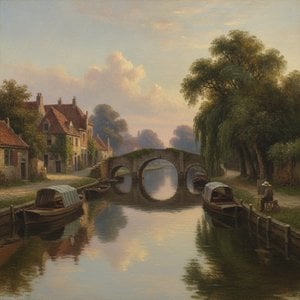
Embark on a visual journey through the tranquil beauty of canal scenes in fine art. Discover how master painters capture light, reflection, and serenity through impressionistic landscapes and timeless maritime masterpieces.

Embark on a visual journey through Claude Monet's most iconic water lily masterpieces. Discover the profound beauty of Impressionism, explore the evolution of Giverny's light, and learn how to bring these serene, museum-quality landscapes into your private collection.


 效果预览
效果预览
 分享
分享 分享
分享
 详情
详情 指南
指南

 下载
下载
 相似作品
相似作品 X射线
X射线 幻灯片播放
幻灯片播放 统计数据
统计数据
 展开详情
展开详情









 玻璃选项仅适用于110厘米以下的尺寸。


