
由我们的艺术家按需定制,为您提供您所选尺寸及画框的布面手工油画。 ( 切换至版画销售渠道 切换至数字图像销售渠道)





























从与原作比例一致的预设尺寸中进行选择。

您可以输入自定义尺寸,以适配特定的画框或空间。如果所选尺寸与原图比例不符,我们将通过裁剪作品或添加手绘元素来扩展画面。数字样稿将在制作开始前发送给您确认。
请注意,屏幕预览无法准确反映实际的裁剪或扩展效果,只有样稿才能真实呈现最终的构图。
虽然我们提供定制尺寸服务,但为了保留原作比例,建议您从预设列表中选择尺寸。

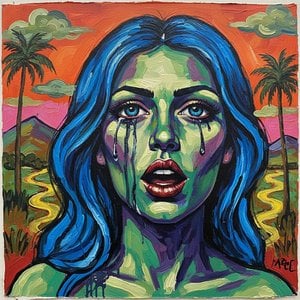
untitled (8716)
复制品尺寸
“I want to paint with color,” Henri Matisse famously declared, encapsulating the essence of his artistic vision—a radical departure from academic conventions that would forever alter the landscape of modern art. Born in Le Cateau-Cambrésis in 1869, Matisse’s early life wasn't marked by artistic ambition; he pursued law studies initially, a path redirected dramatically by an illness that unlocked his innate talent for painting.
His discovery began with simple art supplies gifted by his mother—a serendipitous encounter that ignited a lifelong passion. Rejecting the rigid formalism of Impressionism and Post-Impressionism, Matisse embraced Fauvism (“wild beast”), spearheaded by him and André Derain, marking a pivotal moment in artistic history. This movement championed unrestrained color expression, prioritizing emotional impact over meticulous representation.
“Untitled (8716)” exemplifies Matisse’s masterful approach to Fauvist principles. The painting depicts a tranquil woodland scene—a pathway winding through dense trees—creating an immersive experience for the viewer. Approximately unknown in size, it showcases at least thirteen trees rendered in varying degrees of prominence, skillfully utilizing perspective to convey depth and dimensionality.
Matisse’s technique is characterized by bold brushstrokes and vibrant hues – predominantly reds, yellows, and blues – applied with confident assurance. He eschewed blending colors extensively, opting instead for juxtaposed tones that heighten visual intensity and stimulate the eye. This deliberate disregard for traditional blending techniques underscores Matisse's commitment to conveying emotion directly through color.
Fauvism emerged in France around 1905-1908, reacting against the perceived limitations of Impressionism’s focus on capturing fleeting moments of light. Matisse and Derain sought to liberate painting from naturalistic constraints, prioritizing expressive color as a primary vehicle for conveying feeling. The movement challenged established artistic norms and provoked considerable controversy amongst critics who deemed it crude and barbaric.
Despite initial resistance, Fauvism gained momentum, influencing subsequent artists like Picasso and Cézanne. Matisse’s unwavering belief in the transformative power of color solidified his position as a visionary innovator—a figure whose legacy continues to inspire artists today. “Untitled (8716)” stands as a testament to this enduring conviction.
Beyond its technical brilliance, "Untitled (8716)" resonates with profound symbolic meaning. The pathway through the trees represents a journey—perhaps toward enlightenment or simply towards contemplation—while the abundant foliage symbolizes vitality and renewal. Matisse’s deliberate use of color contributes to the painting's serene atmosphere, inviting viewers to immerse themselves in its beauty and experience its emotional depth.
The artwork embodies Matisse’s core artistic philosophy: “Color is my language; I don’t just paint what I see, but what I feel.” This statement encapsulates his unwavering dedication to conveying emotion through visual form—a pursuit that resulted in masterpieces like "Untitled (8716)" which continue to captivate audiences worldwide.


1869 - 1954 , 法国

Journey through the vibrant, soulful world of Henri Matisse. From the bold colors of Fauvism to his iconic cutouts, explore 25 legendary masterpieces that redefined modern art. Find inspiration for museum-quality decor and fine art reproductions. Discover all masterpieces on WahooArt.com.
Embark on a journey through the vibrant world of Fauvism. Discover how masters like Henri Matisse revolutionized art through bold colors and raw emotion in this expert-led guide to one of modern art's most powerful movements.


 效果预览
效果预览
 分享
分享 分享
分享
 详情
详情

 下载
下载
 相似作品
相似作品 X射线
X射线 幻灯片播放
幻灯片播放 统计数据
统计数据

 展开详情
展开详情









 玻璃选项仅适用于110厘米以下的尺寸。


