
x


 Acrylic On CanvasWallArtFauvism
 1912Modern
 116.0 x 81.0 cm




























从与原作比例一致的预设尺寸中进行选择。

您可以输入自定义尺寸,以适配特定的画框或空间。如果您选择的尺寸与原图比例不符,我们将对作品进行裁剪,或通过镜像填充/纯色填充边缘的方式来扩展图像。在开始制作之前,我们会向您发送一份数字效果图供您确认。
请注意,屏幕上的预览并不能反映实际的裁剪或扩展效果。只有效果图才能准确展示最终的构图。
虽然我们提供定制尺寸,但为了保持原图比例,我们建议您从预设列表中选择尺寸。

The Palm
复制品尺寸
Henri Matisse's "The Palm," painted in 1912 during his pivotal exploration of Fauvism, isn’t merely a depiction of a sunny afternoon; it’s an explosion of color and emotion captured on canvas. This vibrant scene, housed within the walls of The Museum of the Annunciation in France, offers a glimpse into a transformative period in art history – a time when artists deliberately rejected academic realism in favor of subjective experience and the raw power of color. Measuring 116 x 81 cm, “The Palm” invites us to step into a world where nature’s beauty is amplified through Matisse's bold artistic vision.
At first glance, the painting presents two figures strolling beneath the shade of palm trees against a backdrop of lush greenery. However, this seemingly simple composition quickly reveals itself as a carefully orchestrated symphony of color and form. The palette is dominated by intense blues, yellows, and oranges – hues that Matisse himself famously described as “the true colors of things.” These aren’t muted or blended; they are applied with thick, deliberate brushstrokes, creating a sense of dynamism and immediacy. Two strategically placed umbrellas add an unexpected element of everyday life to the idyllic setting, hinting at human presence without disrupting the painting's overall mood of serene beauty.
“The Palm” is inextricably linked to the rise of Fauvism – a movement that Matisse spearheaded alongside André Derain. Fauves, meaning “wild beasts,” deliberately abandoned traditional color conventions, using vibrant, non-naturalistic hues to express their emotions and perceptions. This wasn’t about accurately representing reality; it was about conveying feeling through color itself. Influenced by the bold colors of African masks and textiles – a fascination Matisse cultivated during his travels – he sought to liberate color from its descriptive function, allowing it to stand on its own as a powerful artistic tool.
The simplification of forms within “The Palm” is another key characteristic of Fauvism. The figures are rendered with minimal detail, almost like stylized silhouettes, emphasizing their presence and movement rather than precise anatomical representation. This approach aligns perfectly with Matisse’s belief that the essence of a subject – its spirit or feeling – was more important than its literal form. The palm trees themselves, depicted with slender trunks and feathery leaves, provide a touch of naturalism while simultaneously contributing to the painting's overall sense of vibrancy.
“The Palm” represents an important transitional phase in Matisse’s artistic development – a period often referred to as Proto-Cubism. While not fully embracing the geometric fragmentation of Cubism, Matisse began experimenting with flattened perspectives and simplified shapes, laying the groundwork for this revolutionary movement. This shift reflects a broader trend within early 20th-century art, as artists increasingly questioned traditional notions of representation and explored new ways of perceiving and depicting the world.
Matisse’s exploration of color and form during this period was profoundly influential, paving the way for subsequent movements like Abstract Expressionism. His willingness to challenge established conventions and prioritize emotional expression helped to redefine the boundaries of modern art. “The Palm” stands as a testament to his innovative spirit and enduring legacy – a vibrant reminder that art can be both beautiful and deeply expressive.
“The Palm” continues to captivate audiences today with its joyous palette, dynamic composition, and evocative atmosphere. It’s more than just a pretty picture; it's a window into the mind of one of the 20th century’s most influential artists. As a pivotal work in the history of Fauvism and Proto-Cubism, “The Palm” represents a significant step towards abstraction and expressionism, demonstrating Matisse’s profound impact on the evolution of modern art. For those seeking to experience the brilliance of Matisse's vision, reproductions like those offered by WahooArt.com provide an accessible way to bring this extraordinary artwork into your home or studio.
For further exploration of Fauvism and Proto-Cubism, consider visiting these resources:
You might also enjoy exploring Matisse’s other masterpieces, such as “La Danse (first version)” and “Nature morte aux oranges,” available for reproduction on WahooArt.com.


1869 - 1954 , 法国
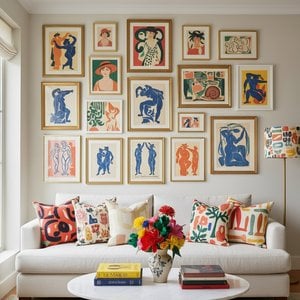
探索亨利·马蒂斯25幅杰作,感受野兽派色彩的魅力!从《舞蹈》到《红色和谐》,揭秘大师背后的故事与艺术灵感。WahooArt.com提供博物馆级高质量油画复制品,为您的家居增添奢华艺术气息。立即在线探索完整系列!
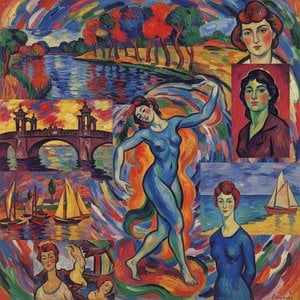
Explore 10 Fauvist masterpieces by Matisse, Derain & Vlaminck that ignited Modern Art! Discover bold colors, expressionist landscapes & the history of this revolutionary movement. Find museum-quality prints at WahooArt.com.
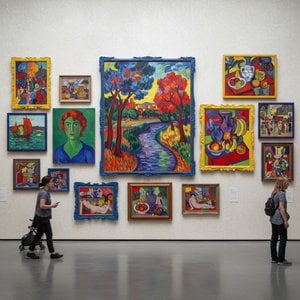
探索 fauve 艺术运动的十部杰作!马蒂斯、德兰伊等大师的色彩与激情,定义了现代艺术。深入了解绘画背后的故事,发现壁画、装饰画等经典作品。WahooArt.com 提供博物馆品质的艺术复制品和精选家居装饰方案。在线探索完整系列!

Explore the rich history of trees in painting! Discover symbolism, Romantic masterpieces by Caspar David Friedrich & beyond. A curated journey for art enthusiasts.

探索浪漫主义风景画的巅峰!本文精选十部经典名作,带您领略莫奈、库尔贝等大师的艺术魅力。感受色彩与光影的诗意,重温自然风光的震撼。WahooArt.com为您提供博物馆级别的艺术复制品和个性化家居装饰方案。尽在WahooArt.com!


第一时间获取最新的艺术新闻、独家优惠及装饰灵感。
向我们介绍您的项目需求,我们的艺术专家将为您提供 3 个个性化的艺术品推荐。
由我们的专家为您精选 3 款心仪之作 —— 完全免费!


 效果预览
效果预览
 购买手绘画作
 分享
分享 分享
分享
 详情
详情

 下载
下载
 相似作品
相似作品 X射线
X射线 幻灯片播放
幻灯片播放 展开详情
展开详情









 玻璃选项仅适用于110厘米以下的尺寸。


