
博物馆级艺术微喷或帆布版画,制作高效,并提供多种饰面选择。 ( 订购此收藏品的纯手工复刻画作 切换至数字图像销售渠道)





























您可以从与原作比例一致的预设尺寸中进行选择。

您可以输入自定义尺寸,以适配特定的画框或空间。如果您选择的尺寸与原图比例不符,我们将对作品进行裁剪,或通过镜像填充/纯色填充边缘的方式来扩展图像。在开始制作之前,我们会向您发送一份数字效果图供您确认。
请注意,屏幕上的预览并不能反映实际的裁剪或扩展效果。只有效果图才能准确展示最终的构图。
虽然我们提供定制尺寸,但为了保持原图比例,我们建议您从预设列表中选择尺寸。

Still Life (15)
复刻品尺寸说明
Henri Matisse's “Still Life (15),” painted sometime between late 1905 and the beginning of 1906, represents a pivotal moment in the artist’s artistic evolution. Emerging from the vibrant embrace of Neo-Impressionism—characterized by its deliberate application of small dots of pure pigment—Matisse deftly transitioned towards a bolder aesthetic that would define his legacy. This deceptively simple composition captures an ordinary scene – a vase brimming with pink blossoms and green foliage – yet it transcends mere representation, becoming a profound meditation on color, form, and the quiet beauty of nature.
Matisse wasn't merely replicating what he saw; he was actively shaping perception. The painting exemplifies his groundbreaking technique—the “fauvist” approach—where color is prioritized above all else. Rather than blending hues to create subtle gradations, Matisse employed juxtaposed blocks of intense pigment – predominantly shades of pink and green – creating a visual dynamism that defies conventional realism. These dots of color aren’t randomly scattered; they are meticulously arranged to generate rhythmic patterns and imbue the canvas with palpable energy. As noted by curators at The Metropolitan Museum of Art, “With rhythmic brushstrokes, Matisse rendered space and objects alike,” highlighting his masterful control over texture and visual impact.
Matisse’s work stands firmly within the context of Impressionism’s waning influence. Artists like Claude Monet and Pierre-Auguste Renoir had championed capturing fleeting moments of light and atmosphere, prioritizing optical sensations over detailed depiction. However, Matisse rejected this aesthetic restraint, responding instead to a burgeoning desire for expressive abstraction. He sought to convey emotion directly through color, mirroring the spirit of Symbolism—a movement that prioritized subjective experience and psychological resonance. This defiance of artistic conventions signaled a significant step away from academic traditions and toward a more liberated vision of art.
The inclusion of flowers – specifically pink blossoms – is laden with symbolic significance. Traditionally, pink represents tenderness, femininity, and purity—themes frequently explored in Symbolist art. The vase itself serves as a container for these blooms, suggesting an enclosure of beauty and fragility. Furthermore, the careful placement of the leaves around the flower reinforces the connection between nature and human emotion. Matisse’s deliberate choices communicate not just visual information but also deeper psychological ideas, inviting contemplation on themes of love, serenity, and artistic idealism.
“Still Life (15)” continues to captivate viewers today due to its masterful execution and enduring emotional impact. Matisse’s unwavering commitment to color—coupled with his innovative technique—creates a visual experience that is both stimulating and profoundly calming. It serves as an inspiring reminder of the transformative power of art, demonstrating how seemingly simple subjects can be elevated into expressions of profound beauty and contemplation. Reproductions of this iconic artwork offer collectors and interior designers alike the opportunity to bring Matisse’s vision of color and form into their homes, fostering a connection with one of the most influential artists of the 20th century.


1869 - 1954 , 法国

Explore the vibrant world of Fauvism with our expert guide. Discover how Matisse and Derain revolutionized art through bold colors and expressive strokes. Perfect for classic art enthusiasts seeking to deepen their passion for modern masterpieces.
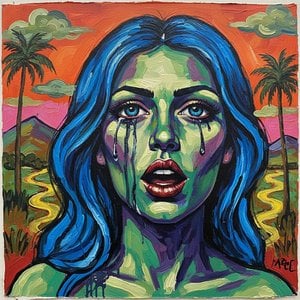
Embark on a journey through the vibrant world of Fauvism. Discover how masters like Henri Matisse revolutionized art through bold colors and raw emotion in this expert-led guide to one of modern art's most powerful movements.


 实景预览
实景预览
 发送
发送 分享
分享
 详情
详情 指南
指南

 下载图片
下载图片
 相似作品
相似作品 X射线
X射线 幻灯片播放
幻灯片播放 统计数据
统计数据
 阅读全文
阅读全文









 玻璃选项仅适用于110厘米以下的尺寸。


