
博物馆级艺术微喷或帆布版画,制作高效,并提供多种饰面选择。 ( 购买手绘画作 切换至数字图像销售渠道)





























从与原作比例一致的预设尺寸中进行选择。

您可以输入自定义尺寸,以适配特定的画框或空间。如果您选择的尺寸与原图比例不符,我们将对作品进行裁剪,或通过镜像填充/纯色填充边缘的方式来扩展图像。在开始制作之前,我们会向您发送一份数字效果图供您确认。
请注意,屏幕上的预览并不能反映实际的裁剪或扩展效果。只有效果图才能准确展示最终的构图。
虽然我们提供定制尺寸,但为了保持原图比例,我们建议您从预设列表中选择尺寸。

Still Life (12)
复制品尺寸
Born in Le Cateau-Cambrésis in 1869, Henri Matisse embarked on an artistic journey marked by initial explorations into classical draughtsmanship before discovering his true vocation in vibrant hues. Influenced profoundly by artists like Jean-Baptiste-Siméon Chardin and Nicolas Poussin—masters who prioritized tonal subtlety—Matisse initially honed his skills with meticulous observation of the natural world. However, a pivotal encounter with John Russell on Belle Île ignited his passion for Impressionism and introduced him to the groundbreaking work of Vincent van Gogh, shaping his artistic sensibilities irrevocably.
The Fauvist movement erupted in France around 1905, fueled by dissatisfaction with Impressionistic attempts to depict light and color accurately. Matisse, alongside artists like Pablo Picasso and André Derain, spearheaded this rebellion against naturalism, prioritizing painterly qualities over photographic realism. They achieved this audacious goal by employing bold, arbitrary colors—often jarring juxtapositions of hues—that defied traditional expectations for tonal harmony. This stylistic choice wasn’t merely decorative; it was a deliberate attempt to bypass intellectual analysis and tap directly into the viewer's emotions.
Matisse’s Still Life (12) exemplifies this approach brilliantly. The artist abandons perspective and employs flattened planes of color to create depth—a technique reminiscent of Cézanne but executed with unparalleled confidence. Consider the luminous yellow of the coffeepot juxtaposed against the deep blues and greens of the vase and surrounding foliage; these colors aren’t intended to represent their actual appearance but rather to convey a feeling of warmth, tranquility, and vibrancy. The careful placement of each element contributes to a harmonious composition that invites contemplation.
Beyond its aesthetic merits, Still Life (12) speaks to Matisse’s broader artistic philosophy—one rooted in the belief that art should be joyful and liberating. Like many Fauvist paintings, it eschews psychological complexity in favor of pure visual sensation, prioritizing color and form as vehicles for emotional expression. Its enduring appeal lies in its ability to transport viewers back to a time when artists dared to challenge conventions and embrace bold experimentation.
To delve deeper into Matisse’s artistic legacy and the broader context of Fauvist art, explore resources like WahooArt's introduction to Post-Impressionism and Wikipedia’s History of Painting, as well as Light in Painting for insights into the fundamental principles guiding artistic creation.
Finally, discover stunning reproductions of Matisse's masterpieces—including Still Life (12) and countless others—on WahooArt, where you can find exceptional quality prints that capture the brilliance of Matisse’s vision.


1869 - 1954 , 法国

Explore the vibrant world of Fauvism with our expert guide. Discover how Matisse and Derain revolutionized art through bold colors and expressive strokes. Perfect for classic art enthusiasts seeking to deepen their passion for modern masterpieces.

Explore the profound evolution of Cubist still life, from Cézanne's structural foundations to the fragmented brilliance of Braque and Léger. Discover how geometric abstraction redefined reality through a sophisticated lens of form, color, and modern artistic mastery.
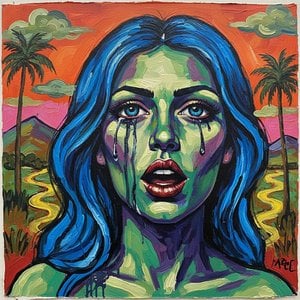
Embark on a journey through the vibrant world of Fauvism. Discover how masters like Henri Matisse revolutionized art through bold colors and raw emotion in this expert-led guide to one of modern art's most powerful movements.


 效果预览
效果预览
 分享
分享 分享
分享
 详情
详情 指南
指南

 下载
下载
 相似作品
相似作品 X射线
X射线 幻灯片播放
幻灯片播放 统计数据
统计数据

 展开详情
展开详情









 玻璃选项仅适用于110厘米以下的尺寸。


