
 Oil On CanvasWallArtFauvism
 1927Modern
 54.0 x 65.0 cm
博物馆级艺术微喷或帆布版画,制作高效,并提供多种饰面选择。 ( 订购此收藏品的纯手工复刻画作 切换至数字图像销售渠道)





























您可以从与原作比例一致的预设尺寸中进行选择。

您可以输入自定义尺寸,以适配特定的画框或空间。如果您选择的尺寸与原图比例不符,我们将对作品进行裁剪,或通过镜像填充/纯色填充边缘的方式来扩展图像。在开始制作之前,我们会向您发送一份数字效果图供您确认。
请注意,屏幕上的预览并不能反映实际的裁剪或扩展效果。只有效果图才能准确展示最终的构图。
虽然我们提供定制尺寸,但为了保持原图比例,我们建议您从预设列表中选择尺寸。

Odalisque in grey culottes
复刻品尺寸说明
Henri Matisse's 1927 painting, “Odalisque in grey culottes,” is more than just a depiction of the reclining female form; it’s a vibrant exploration of color, line, and the very essence of visual pleasure. Housed within the esteemed Musée de l'Orangerie in Paris, this oil on canvas (measuring 54 x 65 cm) represents a pivotal moment in Matisse’s artistic evolution, showcasing his masterful ability to synthesize influences while forging a uniquely personal aesthetic language. The work doesn’t shout for attention; rather, it invites quiet contemplation, drawing the viewer into a world of luxurious textures and harmonious dissonance.
Matisse's choice of subject matter – the odalisque – is steeped in artistic tradition. Historically, these depictions of reclining women within Ottoman harems were often laden with exoticism and overt sensuality. However, Matisse transcends mere imitation. While acknowledging this historical context, he strips away much of the narrative weight, focusing instead on the aesthetic qualities of form and color. The figure isn’t presented as an object of desire but rather as a study in shapes and tones. This approach is deeply rooted in his earlier involvement with Fauvism – a movement characterized by its radical use of intense, non-naturalistic color. Though Matisse moved beyond the unrestrained palette of his Fauvist period, the emphasis on color as a primary means of conveying emotion remains powerfully present. Here, the colors are bold yet harmoniously integrated, creating a vibrant interplay that dances across the canvas. The flattened planes of color, rather than traditional modeling, define the form, emphasizing its two-dimensionality and contributing to the painting’s overall sense of decorative elegance.
What truly sets “Odalisque in grey culottes” apart is Matisse's extraordinary use of pattern and composition. The background isn’t a realistic depiction of an interior but rather a tapestry-like arrangement of blues, greens, yellows, and reds. These colors don’t blend seamlessly; they exist as distinct areas, contributing to a sense of vibrancy and rhythmic movement. Bold outlines further emphasize the shapes and forms within the composition, creating a visual structure that is both dynamic and serene. The odalisque herself, draped in grey culottes, becomes part of this overall pattern, her body echoing the curves and angles of the surrounding décor. This deliberate simplification and abstraction prioritize visual harmony over strict representational accuracy, inviting viewers to experience pure visual pleasure. The inclusion of seemingly mundane objects – a vase, bowls, bottles – adds a touch of domesticity, grounding the exotic subject matter in a relatable reality.
“Odalisque in grey culottes” stands as a testament to Matisse's enduring legacy. It exemplifies his ability to distill complex emotions and experiences into pure visual form, solidifying his place as one of the most important figures in modern art. The painting resonates with other works from his later period, such as “A Nude Lying on her Back,” “Odalisque, Blue Harmony,” and “Reclining Nude, back,” all sharing a similar emphasis on simplified forms, vibrant colors, and a sense of relaxed sensuality. More than just a beautiful image, this artwork is an invitation to slow down, to appreciate the interplay of color and form, and to experience the joy of seeing – a hallmark of Matisse’s artistic philosophy.


1869 - 1954 , 法国
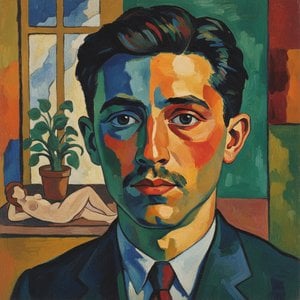
Explore the revolutionary art of Henri Matisse! Discover his bold use of color, Fauvist origins, and lasting impact on modern painting. A comprehensive guide for art enthusiasts.
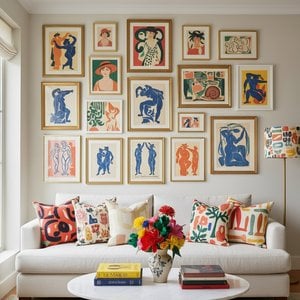
探索亨利·马蒂斯25幅杰作,感受野兽派色彩的魅力!从《舞蹈》到《红色和谐》,揭秘大师背后的故事与艺术灵感。WahooArt.com提供博物馆级高质量油画复制品,为您的家居增添奢华艺术气息。立即在线探索完整系列!

深入探索野兽派的色彩革命!了解马蒂斯、德兰等大师的作品,分析其对现代艺术的影响。WahooArt.com提供高品质油画复制和专业艺术咨询服务,助您收藏经典,提升品味。
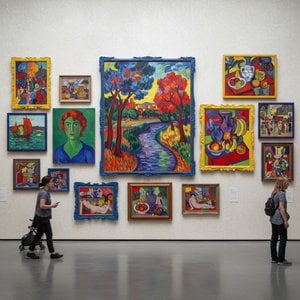
探索 fauve 艺术运动的十部杰作!马蒂斯、德兰伊等大师的色彩与激情,定义了现代艺术。深入了解绘画背后的故事,发现壁画、装饰画等经典作品。WahooArt.com 提供博物馆品质的艺术复制品和精选家居装饰方案。在线探索完整系列!
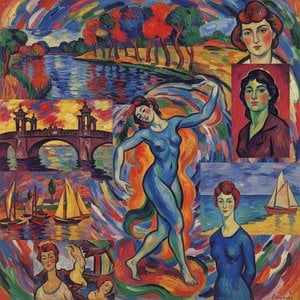
Explore 10 Fauvist masterpieces by Matisse, Derain & Vlaminck that ignited Modern Art! Discover bold colors, expressionist landscapes & the history of this revolutionary movement. Find museum-quality prints at WahooArt.com.


 实景预览
实景预览
 发送
发送 分享
分享
 详情
详情 指南
指南

 下载图片
下载图片
 相似作品
相似作品 X射线
X射线 幻灯片播放
幻灯片播放 统计数据
统计数据 阅读全文
阅读全文









 玻璃选项仅适用于110厘米以下的尺寸。


