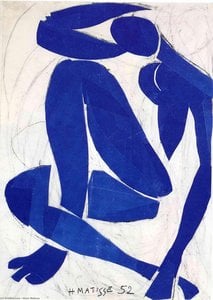
由我们的艺术家按需定制,为您提供您所选尺寸及画框的布面手工油画。 ( 切换至版画销售渠道 切换至数字图像销售渠道)





























从与原作比例一致的预设尺寸中进行选择。

您可以输入自定义尺寸,以适配特定的画框或空间。如果所选尺寸与原图比例不符,我们将通过裁剪作品或添加手绘元素来扩展画面。数字样稿将在制作开始前发送给您确认。
请注意,屏幕预览无法准确反映实际的裁剪或扩展效果,只有样稿才能真实呈现最终的构图。
虽然我们提供定制尺寸服务,但为了保留原作比例,建议您从预设列表中选择尺寸。

Odalisque
复制品尺寸
Henri Matisse's "Odalisque with Gray Trousers," painted in 1927, isn’t merely a depiction of a reclining woman; it’s an immersion into a carefully constructed world of sensual allure and veiled mystery. This captivating work, residing within the collections of The Metropolitan Museum of Art, offers a glimpse into Matisse's masterful manipulation of color, form, and symbolism – a testament to his enduring fascination with the Orient and his innovative approach to portraying the female nude.
The painting immediately draws the eye with its vibrant palette. Dominated by blues, greens, and ochres, the scene unfolds within an opulent interior, hinting at a luxurious Moroccan setting—a deliberate departure from the stark realism favored by many of his contemporaries. The odalisque herself is rendered in bold, simplified forms, her body a study in curves and planes rather than meticulous anatomical detail. This stylistic choice reflects Matisse’s move away from academic constraints, embracing instead an expressive approach that prioritized color and rhythm over strict representation. Notice how the gray trousers, a striking element against the warm tones of the background, subtly anchor the figure while simultaneously adding a touch of unexpected modernity to the scene.
Matisse’s engagement with the odalisque motif is deeply rooted in the broader context of 19th and early 20th-century Orientalism – a European fascination with, and often romanticized depiction of, the East. This artistic trend, fueled by colonial expansion and a desire to exoticize distant cultures, produced countless paintings portraying harems, sultans, and alluring women in opulent settings. However, Matisse wasn’t simply replicating this established genre; he was actively engaging with its complexities, questioning its assumptions, and injecting his own unique sensibility into the subject matter.
Interestingly, Matisse's personal travels to Morocco in the early 1920s provided a direct point of reference for this work. As he himself stated, “I paint odalisques in order to paint the nude, and also because I know it exists. I was in Morocco. I saw it.” This firsthand experience allowed him to move beyond mere imitation and imbue his paintings with a sense of authenticity—a crucial distinction within the context of Orientalist art.
Beyond its visual appeal, “Odalisque with Gray Trousers” is rich in symbolic meaning. The odalisque’s pose – reclining languidly, her gaze directed towards the viewer—evokes a sense of both vulnerability and power. Her partially clothed state invites interpretation, suggesting a realm of sensual pleasure and hidden desires. The gray trousers, a seemingly simple detail, introduce an element of surprise and modernity, subtly disrupting the traditional conventions of Orientalist imagery.
The overall effect is one of captivating ambiguity. Matisse doesn’t offer a straightforward narrative; instead, he invites the viewer to project their own emotions and interpretations onto the scene. The painting resonates with a sense of timelessness—a reminder of the enduring allure of beauty, mystery, and the power of art to transport us beyond the confines of our everyday lives.
Reproductions of “Odalisque with Gray Trousers” offer an exceptional opportunity to bring Matisse’s vibrant vision into any interior space. The painting's bold colors and simplified forms create a striking focal point, while its evocative symbolism adds depth and intrigue. Whether adorning a gallery wall or gracing a private study, this masterpiece is sure to captivate viewers and spark conversation. Consider the impact of a high-quality print – a tangible connection to one of the 20th century’s most influential artists.


1869 - 1954 , 法国
Embark on a journey through the vibrant world of Fauvism. Discover how masters like Henri Matisse revolutionized art through bold colors and raw emotion in this expert-led guide to one of modern art's most powerful movements.


 效果预览
效果预览
 分享
分享 分享
分享
 详情
详情

 下载
下载
 相似作品
相似作品 X射线
X射线 幻灯片播放
幻灯片播放 统计数据
统计数据
 展开详情
展开详情









 玻璃选项仅适用于110厘米以下的尺寸。