博物馆级艺术微喷或帆布版画,制作高效,并提供多种饰面选择。 ( 订购纯手工绘制画作 切换至数字图像销售渠道)





























您可以从与原作比例一致的预设尺寸中进行选择。

请输入您所需的宽度和高度,以适配您的画框或墙面。由于印刷品只能进行裁剪,无法超出原图尺寸,因此若比例不一致,画面的一部分将会被裁切。在正式印刷之前,我们会为您发送一份数字效果图供您确认。本页面显示的图片并非最终裁剪后的效果——只有效果图才能展示真实的裁剪情况。
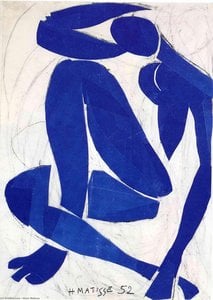
Nude
复刻品尺寸
In the pantheon of modern art, few works capture the raw essence of human presence as poignantly as Henri Matisse’s “Nude.” Executed during the transformative years between 1928 and 1930, this masterpiece serves as a profound testament to the Fauvist spirit—a movement that dared to shatter the constraints of Impressionism to embrace a more visceral, emotional reality. Rather than striving for the photographic precision of academic realism, Matisse invites us into a world where color functions as a language of its own. The painting is not merely a depiction of a human figure; it is an exploration of the delicate balance between strength and fragility, rendered through a palette that vibrates with life.
The composition centers on a seated woman, her legs crossed in a posture that suggests a quiet moment of repose layered with a subtle, underlying tension. Her gaze, direct and unblinking, confronts the viewer with an assertive intimacy. This is not a passive subject to be observed from a distance; she is a participant in a silent dialogue, drawing the observer into her private sanctuary. The surrounding environment—a glimpse of beds and a couch—adds a layer of domestic intimacy, suggesting a space of profound privacy where the boundaries between the external world and the internal self begin to blur.
To behold this work is to witness Matisse at the height of his expressive powers. The technique is characterized by an unrestrained use of pigment, where thick, textured strokes create a palpable physicality on the canvas. Unlike the soft, atmospheric blending favored by the Impressionists, Matisse utilizes bold, saturated hues of red, yellow, and blue to sculpt form and evoke mood. This approach priorits the expressive gesture over anatomical perfection, allowing the energy of the brushwork to communicate the subject's emotional state.
Influenced by the geometric simplifications of Cézanne, Matisse distills complex shapes into their most fundamental components. This stylistic choice lends the painting a modern, structural integrity that remains timeless. For the discerning collector or interior designer, this piece offers a sophisticated interplay of texture and tone. The way the vibrant colors interact with the simplified forms creates a visual rhythm that can serve as a commanding focal point in any curated space, bringing both warmth and intellectual depth to a room.
The historical significance of “Nude” cannot be overstated. Emerging from the revolutionary era of early 20th-century modernism, the work reflects Matisse’s departure from traditional academic constraints. Following the groundbreaking Cubist experiments of his contemporary, Pablo Picasso, Matisse sought a different kind of liberation—one found in the liberation of color and the celebration of the classical tradition through a modern lens. He transformed the canvas into a space where light is replaced by emotion, and shadow is replaced by shade.
Ultimately, the enduring appeal of this painting lies in its profound emotional impact. It captures a sense of vulnerability that is both haunting and beautiful. For those seeking to adorn their homes with art that inspires contemplation, a high-quality reproduction of this work offers more than just decoration; it provides an entry point into the soul of Matisse’s philosophy. It is a piece that speaks of the beauty found in simplicity, the power of color to move the spirit, and the eternal allure of the human form in its most honest state.

1869年12月31日,亨利·马蒂斯出生在法国勒卡托-坎布雷西斯,那是一间位于舍纳·阿诺路(rue du Chêne Arnaud)的织布工小屋。这座宁静的小屋,成为了他传奇人生的起点,而他未来的足迹终将远超北部的静谧。作为一名富有的谷物商的长子,他出生在一个从事土地贸易、生活节奏稳健且务实的家庭。他的童年时光在法国皮卡第大区的博安-恩-韦尔芒多瓦度过,那里的生活律动完全受季节更迭与家族生意的需求所支配。
他的成长环境与艺术工作室的氛围截然不同。在皮卡第地区成长的他,身边环绕的是商人家庭的琐碎与务实。在最初的岁月里,他的生命中并没有出现画笔或颜料的踪影。相反,他的存在轨迹是由家族的期望,以及这个法国北部小镇中谷物商之子那份平稳、从容的生活节奏所塑造的。
在完成中学学业后,马蒂斯前往巴黎攻读法律。1887年,他沉浸在严谨的法律理论架构之中,那段时光被城市学生所必须具备的沉静与自律所刻画。他并未立即在画室中寻得归宿,而是踏上了一条看似与画布毫无关联的职业训练之路。
最终,生活的轨迹将他带回了勒卡托-坎布雷西。在那里,他担任法院行政人员,处理着当地法律体系中繁重的行政事务。他还曾担任公证处的法律文书,这份工作要求极高的精准度与沉稳的心态。这些年,他穿梭于文书与公务之间,远离了他日后将要拥抱的绚烂色彩。在成为一名用画笔书写世界的艺术家之前,他首先是一名严谨的法律从业者。
从法学研究向艺术工作室的转型,需要扎根于巴黎古典传统的深厚土壤。为了开启这一蜕变过程,他进入朱利安学院深造,随后又转入国立美术学院。在这些求学岁月里,他曾坐在威廉·阿道夫·布格罗与古斯塔夫·莫罗的课堂中汲取养分。正是这些导师所传授的严谨技法,为他日后打破传统、走向自我风格奠定了坚实的技术基石。他沉浸在对这些大师创作方法的吸收中,在潜移默化间习得了素描的严谨纪律与形式的内在结构。
与此同时,他的目光也被早期大师们那种静谧的意境所吸引。他曾细致地研读让-巴蒂斯特-西蒙·夏尔丹、尼古拉·普桑以及安托万·华托的作品。这些艺术家提供了一种截然不同的观察视角,他们专注于物体的布局安排以及构图的厚重感。他潜心研究他们处理光影的方式,以及作品中题材那细腻微妙的质感。这一时期,他的艺术世界尚未迎来色彩的剧烈爆发,更多的是在理解一幅构图精良的图像背后所蕴含的逻辑。通过这些深刻的观察,他正在构建属于自己的线条与形状的艺术语言。
向画笔的转向始于一段静止的时光。1889年,一场阑尾炎迫使他进入漫长的康复期,正是在这段卧床静养的日子里,绘画的种子开始在心中生根。起初,这仅仅是母亲送给他的一套简单的美术用品,但很快,这种全新的视觉体验便取代了他此前对法律的兴趣。他从康复期的宁静中走出来,投身于一场对全新视觉语言的探索,这种语言最终将远远超越他在巴黎所学习的传统技法。
1896年,在贝尔岛的一次旅行中,他的调色板发生了质的飞跃。在那里,他遇到了澳大利亚画家 约翰·罗素,后者向他展示了印象派的光影魅力,以及 文森特·梵高 作品中那种极具表现力且厚重的色彩运用。这些邂逅彻底剥离了对那种沉闷、写实且充满大地色系的写实主义的需求。他开始将色彩视为一种直接的表达工具,比起物体的真实外貌,他更倾向于选择那些能与情感产生共鸣的色调。到了1905年左右,这种探索已然凝聚成了“野兽派”运动。他与一群艺术家共同运用强烈且非自然主义的色彩,给那些习惯于克制、学院派风格的观众带来了巨大的视觉冲击。
他的双手在多种多样的艺术形式间游走。他既是素描大师,也是版画家和雕塑家,经常通过塑造粘土来创作,并将其铸造成青铜雕塑。在早年创作中,他曾尝试点彩画派(Divisionist)技法,这是他在研读了 保罗·西涅克 的文章后所采纳的创作方式。这种方法使他能够通过清晰、独立的色彩铺陈来构建画面,而非依赖平滑的色彩融合。
随着创作实践的演变,他的工具也在不断更迭。在进行蚀刻版画创作时,他运用了中国纸拼贴(chine-collé)技法来增加材质的层次感。到了后期,他创作剪纸拼贴画的方法则融入了模版喷绘(pochoir)工艺,以达到特定的视觉效果。这些选择展现了他对作品表面处理方式的持续转变——从版画创作的严谨精确,逐渐转向通过剪裁与排列形状这一极具肢体感的艺术行为进行表达。
1941年,腹部癌症的诊断彻底改变了他创作所需的体力消耗。在经历了1941年和1942年的两次重大手术后,站立并在画架前绘画对他而言变得愈发艰难。然而,艺术的生命力在困境中找到了新的出口——他开始尝试使用剪刀和彩色纸张进行创作。这种被称为“剪纸拼贴”(découpages)的技法,让他能够在坐姿状态下自由地操纵形状与色彩。他先是在大张的纸上涂抹鲜艳的色彩,随后将其剪裁成如叶片或人体般的有机形态,从而构建出全新的构图。
这些作品往往是对他早期绘画主题与动机的重温,但呈现方式却展现出一种截然不同的结构清晰度。1947年,他出版了一本名为《爵士乐》(Jazz)的书籍,其中收录了这些色彩斑斓的剪纸拼贴画。即便在体力受限的时期,这一创作过程依然是他对形式与色彩持续探索的延续。他将目光聚焦于形状与其周围空间的关系,通过剪裁与排列这两个简单的动作,巧妙地在平面上表达出灵动的生命律动。
漫步在圣彼得堡冬宫博物馆的宏伟殿堂中,人们可以在馆藏中邂逅他的艺术灵魂。其中最令人震撼的,莫过于1909年创作的大型杰作舞蹈,这件作品曾受一位俄罗斯收藏家的委托而创作。而在巴黎的奥赛博物馆,他的画作则静静伫立,让人们得以近距离审视他在巴黎度过艺术早年时光时,是如何精妙地驾驭色彩与形式的。
在纽约,现代艺术博物馆收藏了他的多件作品,通过这些作品,我们可以清晰地窥见他的艺术风格在数十年间是如何演变与蜕变的。同样,伦敦的国家美术馆也珍藏着他的绘画,为我们观察他的艺术成长轨迹提供了全新的视角。在这些世界级的艺术殿堂中,他的作品邀请着每一位观者,去静静观察他如何运用色彩去定义空间,去构建那个充满生命力的世界。

1869 - 1954 , 法国
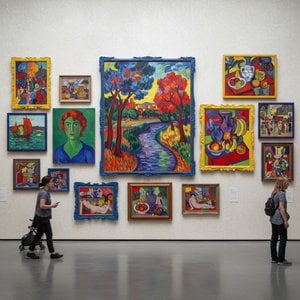
探索 fauve 艺术运动的十部杰作!马蒂斯、德兰伊等大师的色彩与激情,定义了现代艺术。深入了解绘画背后的故事,发现壁画、装饰画等经典作品。WahooArt.com 提供博物馆品质的艺术复制品和精选家居装饰方案。在线探索完整系列!

探索抽象表现主义的十幅经典杰作!波洛克、罗斯科等大师作品,揭秘艺术史上的重要瞬间。WahooArt.com为您呈现高品质艺术品复制和精选家居装饰方案,感受现代艺术的力量与魅力。立即浏览全系列!
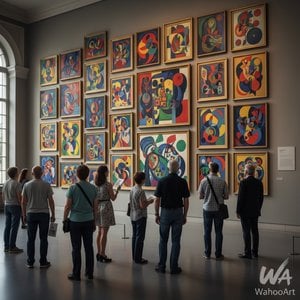
Explore 25 iconic Kandinsky masterpieces and the birth of abstraction. Discover the full collection online at WahooArt.com.

探索亨利·马蒂斯25幅杰作,感受野兽派色彩的魅力!从《舞蹈》到《红色和谐》,揭秘大师背后的故事与艺术灵感。WahooArt.com提供博物馆级高质量油画复制品,为您的家居增添奢华艺术气息。立即在线探索完整系列!
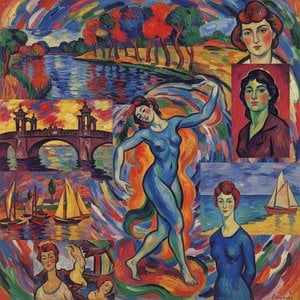
Explore 10 Fauvist masterpieces by Matisse, Derain & Vlaminck that ignited Modern Art! Discover bold colors, expressionist landscapes & the history of this revolutionary movement. Find museum-quality prints at WahooArt.com.

 实景预览
实景预览
 分享
分享 分享
分享
 详情
详情 指南
指南

 下载作品
下载作品
 相似作品
相似作品 X射线
X射线 幻灯片播放
幻灯片播放 问答
问答
 统计数据
统计数据

 展开全文
展开全文









 玻璃选项仅适用于110厘米以下的尺寸。