
由我们的艺术家按需定制,为您提供您所选尺寸及画框的布面手工油画。 ( 切换至版画销售渠道 切换至数字图像销售渠道)





























从与原作比例一致的预设尺寸中进行选择。

您可以输入自定义尺寸,以适配特定的画框或空间。如果所选尺寸与原图比例不符,我们将通过裁剪作品或添加手绘元素来扩展画面。数字样稿将在制作开始前发送给您确认。
请注意,屏幕预览无法准确反映实际的裁剪或扩展效果,只有样稿才能真实呈现最终的构图。
虽然我们提供定制尺寸服务,但为了保留原作比例,建议您从预设列表中选择尺寸。

not identified (19)
复制品尺寸
Henri Matisse, a name synonymous with vibrant color and joyous expression, gifted us with countless works that continue to captivate audiences worldwide. “Not Identified (19),” often referred to as “The Three O’Clock Sitting,” is more than just a depiction of fruit; it's a distillation of Matisse’s revolutionary approach to painting – a deliberate rejection of academic realism in favor of subjective experience and the pure language of color. Created around 1924, during a period when Matisse was deeply engaged with the principles of Fauvism, this piece embodies the artist’s desire to capture not just what he *saw*, but how he *felt* about what he saw.
The painting unfolds as a carefully orchestrated tableau of simple subjects: apples, oranges, and pears arranged on a rustic wooden table. Yet, it's the manner in which Matisse renders these familiar forms that elevates the work to something extraordinary. He abandons precise detail, opting instead for bold, flattened shapes outlined with thick black lines. These outlines aren’t merely decorative; they define the objects, creating an almost sculptural quality and pushing them forward into the picture plane. The colors are equally assertive – a riot of reds, yellows, oranges, and greens that vibrate with intensity. Matisse wasn't interested in mimicking the subtle gradations of light and shadow found in nature; instead, he employed color to create a sense of luminous harmony, bathing the scene in an almost dreamlike glow.
Matisse's “Not Identified (19)” is firmly rooted within the Fauvist movement, which emerged in France around 1905. Fauves – meaning "wild beasts" – sought to liberate color from its traditional role of representing reality. Instead, they used it purely for expressive effect, often employing jarring juxtapositions and unnatural hues. This radical departure from convention was initially met with criticism, but Matisse quickly became a leading figure in the movement, demonstrating how color could be used not just to depict objects, but to evoke emotions and create an overall mood.
The influence of Paul Gauguin is palpable here; both artists shared a fascination with non-Western art, particularly Japanese prints, which featured bold outlines, simplified forms, and flattened perspectives. Matisse’s use of black outlines echoes this stylistic element, while the composition itself – reminiscent of a Japanese woodblock print – further emphasizes its connection to this artistic lineage. However, unlike Gauguin's often melancholic or symbolic imagery, Matisse imbues his still life with an underlying sense of joy and vitality.
While seemingly straightforward, “Not Identified (19)” is rich in subtle symbolism. The arrangement of the fruit – particularly the prominent bowl of apples – can be interpreted as a reference to the biblical story of Adam and Eve, suggesting themes of temptation, innocence, and the beauty of the natural world. The warm colors evoke feelings of abundance, warmth, and pleasure, while the carefully balanced composition creates a sense of visual harmony. Matisse himself described his work as “playing with forms,” emphasizing the importance of creating an aesthetically pleasing arrangement that delights the eye.
Furthermore, the painting’s title – "Not Identified (19)" – adds to its enigmatic quality. It suggests a deliberate ambiguity, inviting viewers to project their own interpretations onto the scene. The lack of specific details encourages us to focus on the overall feeling and mood conveyed by the artwork, rather than getting bogged down in literal representation.
“Not Identified (19)” remains one of Matisse’s most beloved works, admired for its vibrant colors, simplified forms, and underlying sense of joy. High-quality reproductions capture the essence of this masterpiece, making it a perfect addition to any home or office. Its bold palette and dynamic composition can inject energy and warmth into any space, creating an atmosphere that is both stimulating and inviting. Consider pairing this artwork with complementary colors – such as blues and greens – to further enhance its visual impact. Whether you’re an art enthusiast, a collector, or simply seeking inspiration for your interior design, “Not Identified (19)” offers a timeless testament to the power of color and the enduring legacy of Henri Matisse.


1869 - 1954 , 法国
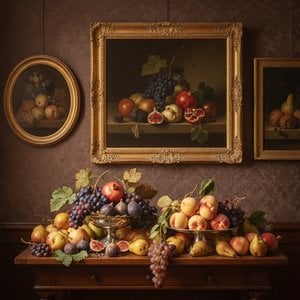
Discover the profound beauty of fruit still life paintings. Explore the rich symbolism, Baroque mastery, and timeless allure of nature's bounty through an art-historical lens, perfect for collectors and enthusiasts of classical fine art.
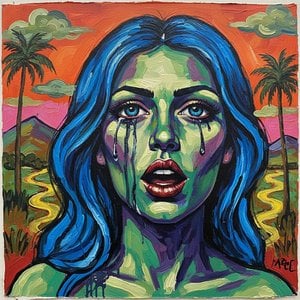
Embark on a journey through the vibrant world of Fauvism. Discover how masters like Henri Matisse revolutionized art through bold colors and raw emotion in this expert-led guide to one of modern art's most powerful movements.

Explore the profound beauty of fruit arrangement masterpieces. From Dutch Golden Age opulence to Baroque chiaroscuro, discover the art history, symbolism, and timeless elegance of classical still life paintings for the discerning collector.


 效果预览
效果预览
 分享
分享 分享
分享
 详情
详情 指南
指南

 下载
下载
 相似作品
相似作品 X射线
X射线 幻灯片播放
幻灯片播放 统计数据
统计数据

 展开详情
展开详情









 玻璃选项仅适用于110厘米以下的尺寸。


