
 Acrylic On CanvasWallArtFauvist Expressionism
 1950
1950 20.0 x 12.0 cm
由我们的艺术家按需定制,为您提供您所选尺寸及画框的布面手工油画。 ( 切换至版画销售渠道 切换至数字图像销售渠道)





























从与原作比例一致的预设尺寸中进行选择。

您可以输入自定义尺寸,以适配特定的画框或空间。如果所选尺寸与原图比例不符,我们将通过裁剪作品或添加手绘元素来扩展画面。数字样稿将在制作开始前发送给您确认。
请注意,屏幕预览无法准确反映实际的裁剪或扩展效果,只有样稿才能真实呈现最终的构图。
虽然我们提供定制尺寸服务,但为了保留原作比例,建议您从预设列表中选择尺寸。

Creole Dancer
复制品尺寸
Henri Matisse's “Creole Dancer,” completed in 1950, stands as a testament to the enduring power of Fauvist aesthetics—a movement that championed unrestrained color and simplified forms as radical departures from Impressionism. This captivating gouache painting on cut paper resides within the Musée Matisse in Nice, offering visitors an intimate glimpse into Matisse’s artistic vision during his prolific later years.
Born in 1869 in Le Cateau-Cambrésis, Henri Émile Benoît Matisse initially pursued a legal career before discovering the transformative influence of painting. Following an illness that sidelined him from law, he embraced art with fervor—a passion nurtured by his mother’s generous gift of artistic supplies. This serendipitous encounter ignited a lifelong dedication to color and form, propelling him toward a path that would redefine modern art.
Matisse's Fauvist style wasn’t merely about applying pigment; it was about rejecting academic conventions in favor of emotional expression. Artists like Matisse deliberately eschewed naturalistic representation, prioritizing vibrant hues—often jarringly juxtaposed—to convey mood and feeling directly to the viewer. “Creole Dancer” exemplifies this ethos perfectly, abandoning photographic accuracy for a bold declaration of color.
The painting’s palette is dominated by reds, blues, and yellows – colors deliberately chosen not for their descriptive qualities but for their emotive impact. Matisse skillfully layered gouache onto cut paper, creating a textured surface that enhances the vibrancy of the hues. The artist's meticulous attention to detail—particularly in capturing the delicate folds of the dancer’s dress and the luminous glow of the flowers—demonstrates his mastery of technique.
"Creole Dancer" transcends mere visual beauty; it carries symbolic weight. The dancer herself embodies grace, movement, and vitality – qualities Matisse sought to convey through reductive simplification. The flowers adorning her head symbolize femininity, joy, and perhaps even a connection to the natural world. Scattered stars contribute to an ethereal atmosphere, hinting at dreams and aspirations.
Ultimately, “Creole Dancer” succeeds in capturing a moment of serene contemplation amidst exuberant color. Matisse’s masterful use of pigment and form invites viewers into a realm where emotion triumphs over representation. It's a painting that speaks to the fundamental human desire for beauty and harmony—a timeless masterpiece that continues to inspire admiration and intrigue.


1869 - 1954 , 法国
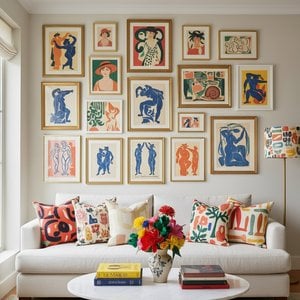
探索亨利·马蒂斯25幅杰作,感受野兽派色彩的魅力!从《舞蹈》到《红色和谐》,揭秘大师背后的故事与艺术灵感。WahooArt.com提供博物馆级高质量油画复制品,为您的家居增添奢华艺术气息。立即在线探索完整系列!

探索抽象表现主义的十幅经典杰作!波洛克、罗斯科等大师作品,揭秘艺术史上的重要瞬间。WahooArt.com为您呈现高品质艺术品复制和精选家居装饰方案,感受现代艺术的力量与魅力。立即浏览全系列!
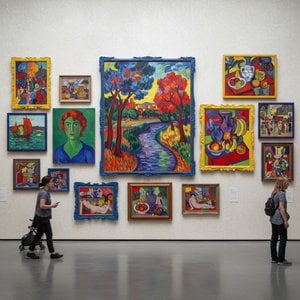
探索 fauve 艺术运动的十部杰作!马蒂斯、德兰伊等大师的色彩与激情,定义了现代艺术。深入了解绘画背后的故事,发现壁画、装饰画等经典作品。WahooArt.com 提供博物馆品质的艺术复制品和精选家居装饰方案。在线探索完整系列!
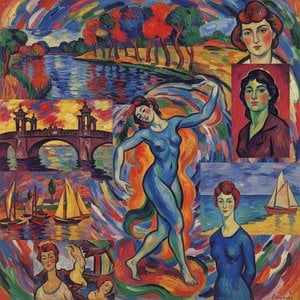
Explore 10 Fauvist masterpieces by Matisse, Derain & Vlaminck that ignited Modern Art! Discover bold colors, expressionist landscapes & the history of this revolutionary movement. Find museum-quality prints at WahooArt.com.

Journey through Wassily Kandinsky's 25 most iconic abstract paintings. Explore his revolutionary use of color, form & spiritual expressionism. Find museum-quality Kandinsky reproductions and elevate your home decor with WahooArt.com. Discover all masterpieces on WahooArt.com!


 效果预览
效果预览
 分享
分享 分享
分享
 详情
详情

 下载
下载
 相似作品
相似作品 X射线
X射线 幻灯片播放
幻灯片播放 统计数据
统计数据 展开详情
展开详情









 玻璃选项仅适用于110厘米以下的尺寸。


