
 Oil On CanvasWallArtRomanticism
 1847
1847 38.0 x 46.0 cm
 Fitzwilliam 学院
由我们的艺术家按需定制,为您提供您所选尺寸及画框的布面手工油画。 ( 切换至版画销售渠道 切换至数字图像销售渠道)





























从与原作比例一致的预设尺寸中进行选择。

您可以输入自定义尺寸,以适配特定的画框或空间。如果所选尺寸与原图比例不符,我们将通过裁剪作品或添加手绘元素来扩展画面。数字样稿将在制作开始前发送给您确认。
请注意,屏幕预览无法准确反映实际的裁剪或扩展效果,只有样稿才能真实呈现最终的构图。
虽然我们提供定制尺寸服务,但为了保留原作比例,建议您从预设列表中选择尺寸。

Crémieu
复制品尺寸
Henri-Joseph Harpignies’ “Crémieu” (1847) is more than just a landscape painting; it's an immersive experience, a carefully constructed tableau that invites contemplation on the relationship between humanity and the vastness of nature. The scene unfolds within the foothills of the French Alps, depicting a rugged, almost primordial terrain dominated by towering cliffs and a winding path that draws the eye relentlessly into the distance. The painting immediately establishes a sense of solitude and grandeur – an emotional resonance deeply rooted in the Romantic tradition, yet subtly informed by Harpignies’ meticulous observation of light and texture.

The composition is masterfully executed, utilizing a strong diagonal line created by the path to guide the viewer’s gaze and establish a dynamic flow through the scene. The foreground, rendered in earthy browns and ochres, features a dirt road and scattered rocks, gradually transitioning into the imposing cliffs that form the central focus of the painting. These cliffs aren't merely geological formations; they possess an almost sculptural quality, their weathered surfaces hinting at centuries of exposure to the elements. In the distance, a subtle atmospheric perspective – a softening of colors and details as depth increases – suggests the immense scale of the landscape and evokes a feeling of both awe and vulnerability.
Harpignies’ work firmly places him within the context of the Barbizon School, a movement that championed direct observation of nature and a rejection of academic artifice. Unlike earlier landscape painters who relied heavily on idealized representations, the Barbizon artists sought to capture the essence of the French countryside as they experienced it – with its rough textures, subtle shifts in light, and inherent imperfections. “Crémieu” exemplifies this approach, eschewing smooth brushstrokes and carefully blended colors in favor of visible marks that convey a sense of immediacy and spontaneity. Furthermore, the painting’s emphasis on atmospheric effects aligns closely with Luminism, a style characterized by its soft, diffused lighting and focus on capturing the subtle nuances of light and shadow.
Born in Valenciennes in 1819, Harpignies initially pursued a business career before dedicating himself to art. His early training under Jean Achard instilled in him a solid foundation in draughtsmanship, while his subsequent journey to Italy exposed him to the principles of the Barbizon School and fostered a deep appreciation for the Italian landscape tradition. The painting’s muted palette – dominated by browns, greens, and grays – contributes significantly to its evocative atmosphere, creating a sense of quiet contemplation and timelessness.
Beyond its technical merits, “Crémieu” carries a subtle symbolic weight. The solitary path winding through the landscape can be interpreted as a metaphor for the human journey – a quest for meaning and purpose amidst the vast uncertainties of life. The towering cliffs represent both strength and vulnerability, reminding us of our own smallness in the face of nature’s power. The painting's overall mood is one of serene solitude, inviting viewers to pause and reflect on their place within the natural world.
Interestingly, the village of Crémieu itself, depicted in the painting, holds a rich history. Situated near Lyon, it served as an important trading center throughout the Middle Ages, benefiting from its strategic location along trade routes. The presence of a medieval castle and monastic settlements further adds to the painting’s historical context.
“Crémieu” is a testament to Harpignies' skill as a landscape painter and his ability to capture the beauty and drama of the French countryside. Reproductions of this captivating artwork are available through WahooArt, offering an opportunity to bring its evocative atmosphere into your home or office. Its timeless appeal and rich symbolism make it a valuable addition to any art collection.

亨利-约瑟夫·阿尔皮尼耶,1819年6月28日生于法国瓦朗谢纳,他的艺术生涯并非一开始就注定。最初,父母期望他投身商贸,然而他对绘画的热情却如燎原之火般无法抑制。出身比利时家庭的他,最终毅然放弃了家族的规划,全身心投入到艺术的世界中。二十七岁时,他正式在巴黎开始接受训练,师从让·阿夏尔。这段基础时期着重培养扎实的素描技巧——这一关键要素贯穿了他一生的创作。
在阿夏尔的指导下学习两年后,阿尔皮尼耶于1848年踏上了对艺术生涯至关重要的一段旅程:前往意大利。这次经历深刻地塑造了他的艺术视野。1850年返回法国后,他结识了让-巴蒂斯特-卡米尔·科罗等巴比松画派的领军人物。巴比松画家们强调直接观察自然,并以写实的手法描绘乡村生活,这些理念与阿尔皮尼耶产生了强烈的共鸣。1860年,他与科罗一同重返意大利,进一步加深了彼此在艺术上的联系。
阿尔皮尼耶的绘画风格以其宁静而田园诗般的法国乡村景象为特征。他精妙地捕捉光线的微妙变化和氛围,创造出令人感到安详和谐的风景画。他的创作过程注重细致观察,并结合对构图的深刻理解。虽然受到巴比松画派写实主义的影响,阿尔皮尼耶发展出了自己独特的风格,常常在他的作品中融入诗意的感性。他擅长表现法国河流如卢瓦尔河的美丽景色,以及乡村小镇的宁静氛围。
阿尔皮尼耶的艺术遗产超越了他个人的绘画作品。他是一位敬业的教师,将他的知识和技能传授给众多学生,包括埃米尔·阿佩 (1876-1935) 和詹姆斯·威尔逊·莫里斯 (1865-1924)。 他的影响体现在整个19世纪末和20世纪初法国风景画的发展中。他帮助巩固了巴比松画派对后世艺术家的深远影响。
亨利-约瑟夫·阿尔皮尼耶在法国风景画史上占据着重要的地位。他的作品反映了他对自然的深刻热爱和以诚挚、敏锐的态度捕捉其美的承诺。他于1916年去世,留下了一笔宝贵的艺术遗产,至今仍在激励和吸引着观众。他的绘画作品被保存在包括瓦朗斯美术馆在内的著名博物馆收藏中,确保了他作为风景画大师的持久声誉。
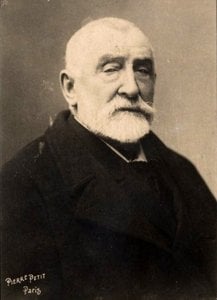
1819 - 1916 , 法国

Explore the profound emotional depth of Romantic landscape painting. Discover how masters captured the sublime through light, shadow, and untamed nature, and learn to bring this timeless, atmospheric beauty into your collection with museum-quality fine art reproductions.

Explore the profound emotional power of Romantic landscape art. Discover how masters like Friedrich captured the sublime through breathtaking nature, and learn to curate these evocative masterpieces for your luxury interior collection.


 效果预览
效果预览
 分享
分享 分享
分享
 详情
详情 指南
指南

 下载
下载
 相似作品
相似作品 X射线
X射线 幻灯片播放
幻灯片播放 统计数据
统计数据 展开详情
展开详情









 玻璃选项仅适用于110厘米以下的尺寸。


