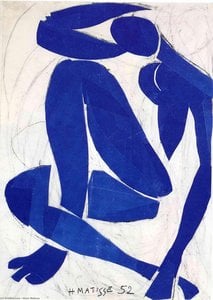
购买高分辨率增强版数字图像,其品质远超在线预览。
每一份文件都由我们的内部专家使用先进工具与专业的后期润色技术精心打造。我们确保每一张图像都具备卓越的清晰度、精准的色彩还原度以及细腻的细节表现。
最终文件将在 72 小时内通过电子邮件交付,并针对专业、编辑及印刷用途进行了优化。其品质与顶级设计工作室、出版社和画廊所信赖的标准完全一致。
下载高分辨率文件,用于个人展示、打印及创意项目。 ( Switch to Print 购买手绘画作)
选择 WahooArt.com,您获得的不仅仅是一张图像——您收到的是经过专业级增强、精雕细琢的数字艺术作品,并享有满意保证。以下是您的订单中自动包含的所有内容:

您的高分辨率数字图像文件将在下单后 72 小时内通过电子邮件发送给您 —— 即可立即使用。

您的艺术品经过专业优化,结合先进的 AI 技术与人工修饰,确保呈现极致的细节、清晰度与色彩准确度。

不小心删除了文件或找不到了?没关系——我们将随时为您免费重发。

即刻拥有您的艺术作品,无需支付任何关税、税费或运费——数字下载始终免税。

我们通过专业工具与色彩管理技术,确保您的数字图像尽可能真实地还原原作色彩。

如果您对所购数字图像不满意,我们将在100天内为您进行修改或提供100%的全额退款——无需任何理由。

不满意?在收到数字文件后的100天内,您可以申请全额退款——无需任何理由。

购买 3 张图片可享 10% 折扣 - 购买 5 张可享 15% 折扣 - 购买 10+ 张可享 20% 折扣。非常适合创意项目、画廊和机构使用。
The art world often celebrates explosive innovation, radical departures, and instantly recognizable styles. Yet, amidst this whirlwind of change, there exist artists who quietly, persistently, developed a unique voice—a voice that resonates with quiet power and enduring beauty. Harry Phelan Gibb (1870-1948) was undoubtedly one such figure. Born in Alnwick, Northumberland, to an Irish mother, his journey from the rugged landscapes of northern England to the vibrant studios of Paris marked a pivotal moment in British art, establishing him as a significant, though often overlooked, contributor to the early 20th-century avant-garde.
Gibb’s artistic education was remarkably diverse. He began his studies at Newcastle and Edinburgh, absorbing influences from traditional academic training. However, it was his time in Antwerp and Munich that truly ignited his creative spirit, exposing him to burgeoning European movements like Impressionism and Post-Impressionism. It was in Paris, however, that he found his true artistic home—a city teeming with creativity and brimming with the revolutionary ideas shaping modern art. He immersed himself in the Parisian scene, studying under Jean-Paul Laurens, a renowned instructor at the École des Beaux-Arts, and forging connections with some of the era’s most influential artists, including Paul Cézanne, whose influence on Gibb's work is undeniable.
Cézanne’s impact on Gibb’s style is immediately apparent. Like his mentor, Gibb eschewed photographic realism in favor of a more subjective and expressive approach to representation. He employed flattened perspectives, simplified forms, and bold color palettes—techniques that prioritized the emotional resonance of a scene over its literal depiction. This “earthy” aesthetic, as critics often described it, drew heavily on the natural world, particularly the landscapes of Northumberland and the surrounding countryside. His paintings are imbued with a sense of quiet contemplation, capturing the essence of place rather than merely reproducing its appearance.
Gibb's arrival in Paris coincided with a period of intense artistic ferment. He quickly integrated himself into the city’s vibrant art scene, associating closely with figures like Gertrude Stein—a prominent patron of the arts and a key influence on his career. Stein recognized Gibb’s unique talent and championed his work, providing him with opportunities to exhibit and develop his style. His association with Stein is particularly noteworthy, as she famously predicted that Gibb would one day achieve recognition alongside other leading modernists like Picasso and Cézanne—a prophecy that, while yet unfulfilled, speaks volumes about the potential of his art.
In 1913, Gibb’s work was included in the groundbreaking *Armory Show* in New York City—an exhibition that catapulted American modernism onto the international stage. This event provided him with a crucial platform for exposure and helped to establish his reputation among collectors and critics. Despite facing resistance from conservative elements within the art community, Gibb continued to exhibit his work throughout the 1920s and 30s, steadily building a loyal following.
Despite his artistic merits, Gibb’s career was not without its challenges. In Dublin in 1914, a major exhibition of his work was abruptly shut down by Catholic priests who objected to the subject matter and style. This incident highlights the social and religious tensions that often shaped the reception of modern art at the time. Following this setback, Gibb experienced a period of hardship and obscurity, struggling to find support for his work.
However, in the 1930s, thanks largely to the efforts of Lucy Wertheim—a prominent dealer and collector—Gibb’s work was rediscovered and re-evaluated. Wertheim recognized Gibb's unique artistic vision and championed his art, organizing a series of exhibitions that brought him back into the public eye. Her support proved instrumental in reviving his career and ensuring that his legacy would endure.
Harry Phelan Gibb’s contribution to British modernism is often underestimated, yet his work deserves recognition for its quiet intensity, evocative landscapes, and subtle exploration of form and color. His influence can be seen in the works of later artists who embraced a similar earthy aesthetic—a testament to the enduring power of his vision. Today, his paintings are held by major museums and private collections around the world, offering viewers a glimpse into the mind of an artist who quietly shaped the course of 20th-century art.
His legacy is not one of flamboyant innovation but rather of persistent observation, quiet contemplation, and a profound connection to the natural world—qualities that continue to resonate with audiences today.

1870 - 1948


 效果预览
效果预览
 分享
分享 分享
分享
 详情
详情

 下载
下载
 相似作品
相似作品 X射线
X射线 幻灯片播放
幻灯片播放 Stats
Stats


 展开详情
展开详情