
由我们的艺术家按需定制,为您提供您所选尺寸及画框的布面手工油画。 ( 切换至版画销售渠道 切换至数字图像销售渠道)
从与原作比例一致的预设尺寸中进行选择。

您可以输入自定义尺寸,以适配特定的画框或空间。如果所选尺寸与原图比例不符,我们将通过裁剪作品或添加手绘元素来扩展画面。数字样稿将在制作开始前发送给您确认。
请注意,屏幕预览无法准确反映实际的裁剪或扩展效果,只有样稿才能真实呈现最终的构图。
虽然我们提供定制尺寸服务,但为了保留原作比例,建议您从预设列表中选择尺寸。

Konrad Peutinger
复制品尺寸
This exquisite piece, depicting Konrad Peutinger on what appears to be an antique medallion or coin, immediately transports the viewer across the centuries. The subject matter itself speaks volumes of historical reverence; it is a tangible echo of Renaissance portraiture and commemorative art. The central profile bust captures the likeness of Konrad Peutinger with remarkable detail, suggesting not merely a man's face, but a figure of considerable intellectual weight within his time. The craftsmanship evident in the embossing—the meticulous rendering of the short hair, the structured headgear, and the neutral yet commanding expression—speaks to the high standards of artistry prevalent during the early sixteenth century.
Examining the surface reveals a fascinating interplay between portraiture and decorative art. The central figure is framed by an elaborate border, a tapestry of stylized patterns including dots, delicate lines, and motifs suggestive of classical foliage or floral arrangements. This rich ornamentation serves to elevate the piece beyond simple portraiture; it transforms it into a miniature work of civic pride or scholarly tribute. The visible signs of age—the subtle discoloration and the patina that speaks of handling over time—do not detract from its beauty but rather deepen its narrative resonance, inviting the collector to contemplate its long journey through history.
The inscription encircling the object, though partially obscured by time, anchors the piece firmly in a specific historical moment. The very act of creating such an artifact—a medallion bearing Latin inscriptions alongside a portrait—was a powerful statement. It was a means of immortalizing status, patronage, and memory. For the modern admirer, this work symbolizes the enduring human desire to be remembered, to have one's achievements etched into something permanent and beautiful. It connects us directly to the scholarly circles and influential patrons who shaped the cultural landscape of the era.
For those seeking an object that marries historical gravitas with decorative elegance, this reproduction offers unparalleled depth. Its rich, aged aesthetic allows it to function beautifully in diverse interior settings—from a library paneled with dark wood to a gallery space favoring classical accents. It is not merely decoration; it is a conversation piece, whispering tales of Renaissance scholarship and enduring human legacy. Owning such an item means curating a corner that feels steeped in culture, intellect, and timeless artistry.

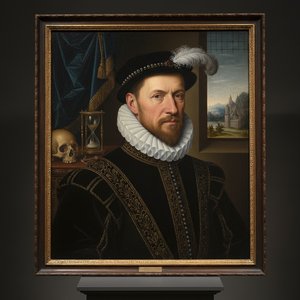
Explore the breathtaking precision of Hans Holbein the Younger. From Tudor royal portraits to intricate Northern Renaissance details, discover the mastery behind his legendary works and learn how to bring this historical grandeur into your collection with museum-quality reproductions.


 分享
分享 分享
分享
 详情
详情

 下载
下载
 相似作品
相似作品 幻灯片播放
幻灯片播放 统计数据
统计数据


 展开详情
展开详情






































 玻璃选项仅适用于110厘米以下的尺寸。


