
 OilWallArtLate Medieval/Early Renaissance
 1437
1437 148.0 x 140.0 cm
 柏林州立博物馆
博物馆级艺术微喷或帆布版画,制作高效,并提供多种饰面选择。 ( 订购此收藏品的纯手工复刻画作 切换至数字图像销售渠道)





























您可以从与原作比例一致的预设尺寸中进行选择。

您可以输入自定义尺寸,以适配特定的画框或空间。如果您选择的尺寸与原图比例不符,我们将对作品进行裁剪,或通过镜像填充/纯色填充边缘的方式来扩展图像。在开始制作之前,我们会向您发送一份数字效果图供您确认。
请注意,屏幕上的预览并不能反映实际的裁剪或扩展效果。只有效果图才能准确展示最终的构图。
虽然我们提供定制尺寸,但为了保持原图比例,我们建议您从预设列表中选择尺寸。
Resurrection
复刻品尺寸说明
Hans Multscher's "Resurrection," painted in 1437, is more than just a depiction of Christ’s deposition; it’s a profound meditation on loss, faith, and the transition between earthly existence and the promise of salvation. Executed in the rich, detailed style characteristic of late medieval German art, this panel from the lost Wurzacher Altar offers a remarkably intimate glimpse into the artistic sensibilities of a pivotal figure bridging the Gothic and Renaissance eras. The painting immediately commands attention with its dramatic composition – a pyramidal structure anchored by Christ’s body, carefully arranged to draw the viewer's eye through layers of mourners and architectural elements. The use of linear perspective, though stylized for the time, establishes a convincing sense of depth, while geometric shapes—rectangles defining the coffin, rounded forms representing the human bodies—create a balanced yet emotionally charged scene.
Multscher’s technical mastery is evident in every brushstroke. The meticulous layering of paint achieves remarkable volume and realism, particularly in the drapery and flesh tones – a testament to his skill as both a sculptor and painter. The application of gold leaf accents not only adds visual richness but also subtly elevates the scene, hinting at the divine nature of the subject matter. Notice the careful modeling of light and shadow; it’s not merely decorative, but actively shapes the forms, lending them a tangible presence within the enclosed space. The color palette is deliberately restrained – predominantly reds dominating Christ's body and robes, contrasted with cooler blues and greens in the background landscape – creating a powerful visual dichotomy between suffering and hope.
“Resurrection” is deeply laden with symbolic meaning. The scene itself, the deposition of Christ after his crucifixion, speaks volumes about grief and acceptance. Christ’s body, laid upon Mary's lap, embodies both physical suffering and spiritual transcendence. John the Evangelist, positioned as a witness to this pivotal moment, holds aloft his writing tablet – a potent symbol of record-keeping and the preservation of faith. The presence of the other mourners underscores the communal nature of grief, reflecting the shared sorrow felt by the entire community. The soldiers lying asleep represent humanity’s inability to fully comprehend or prevent such profound events, highlighting the mystery at the heart of Christian belief.
Beyond these immediate symbols, the painting engages with broader theological themes. The red cloth draped over Christ's body is a deliberate reference to his blood – a symbol of sacrifice and redemption. The unbroken seals on the sarcophagus suggest that even in death, Christ’s sacrifice remains secure and powerful. The scene powerfully conveys the transition from earthly mortality to eternal life, offering a visual representation of faith’s enduring promise.
Hans Multscher stands as a crucial figure in German art history, skillfully navigating the stylistic shifts between the late Gothic and burgeoning Renaissance. His travels to northern France and the Netherlands exposed him to the realism and meticulous detail of Early Netherlandish painting – influences that profoundly shaped his own distinctive style. “Resurrection” exemplifies this synthesis; it retains the emotional intensity and symbolic richness of medieval art while incorporating elements of Renaissance perspective and naturalism.
Born in Reichenhofen, Bavaria, around 1400, Multscher’s career was marked by a dedication to both sculpture and painting, as evidenced by his work on the Wurzacher Altar. His workshop produced numerous religious panels, each imbued with his characteristic skill and artistic vision. Today, reproductions of “Resurrection” offer art lovers a chance to experience the profound beauty and emotional depth of this remarkable masterpiece – a testament to Multscher’s enduring legacy as a pioneer of German realism.
WahooArt offers meticulously crafted, hand-painted reproductions of Hans Multscher's “Resurrection,” allowing you to bring this iconic work of art into your home or office. Our artists replicate the painting’s rich colors, intricate details, and dramatic composition with unparalleled accuracy, ensuring that your reproduction captures the essence of Multscher’s original vision. Whether you are a collector of medieval art, an admirer of German realism, or simply seeking to add a touch of timeless beauty to your surroundings, our “Resurrection” reproductions provide a stunning and authentic representation of this powerful masterpiece.
Explore the full details and dimensions of this exceptional artwork on our website: https://www.wga.hu/html_m/m/multsche/wurzach/4resurr.html
汉斯·穆尔茨舍 的《Resurrection》创作于1437年。
汉斯·穆尔茨舍 的《Resurrection》 的原作收藏于 柏林州立博物馆, 柏林, Germany。通过复制品,您也可以在居家环境中欣赏这部杰作。
汉斯·穆尔茨舍 在 1437 年创作《Resurrection》时,年龄为 37 岁。该年龄是根据艺术家的出生年份 1400 计算得出的。
"Resurrection" 由 汉斯·穆尔茨舍 创作。本页面的信息旨在介绍 汉斯·穆尔茨舍 的原作。
与“Resurrection”相似的作品已列在艺术品的 相似作品 页面中。
“Resurrection”倾向于Amber to Saffron色调。
如需订购 汉斯·穆尔茨舍 的《Resurrection》 的版画,只需在 本页 进行下单即可:采用棉质帆布或档案级画布纸制作的艺术版画。


1400 - 1467 , 德国

Embark on a scholarly journey through the sacred beauty of High Medieval art. Discover the profound symbolism, luminous iconography, and spiritual depth of Gothic masterpieces in this expert guide for classical art enthusiasts.

Embark on a scholarly journey through the spiritual grandeur of Late Medieval art. Discover the intricate symbolism, technical mastery, and profound religious narratives that define the Gothic era in this expert-led guide for art enthusiasts and collectors.

Explore the profound power of religious symbolism in art history. From Renaissance masterpieces to sacred iconography, uncover the hidden meanings behind divine details in a deep dive into classical art excellence.
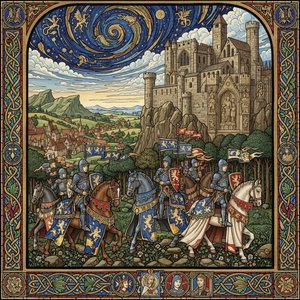
Explore the profound beauty of medieval art through the lens of history. Discover the symbolism of knights, the divine frescoes of Giotto, and how legendary masterpieces continue to inspire modern collectors and lovers of chivalric heritage.

Embark on a visual journey through Early Medieval art. Explore the profound beauty of illuminated manuscripts, sacred symbols, and golden light through an expert historical lens, celebrating the enduring legacy of medieval craftsmanship and divine artistry.


 实景预览
实景预览
 发送
发送 分享
分享
 详情
详情 指南
指南

 下载图片
下载图片
 相似作品
相似作品 X射线
X射线 幻灯片播放
幻灯片播放 统计数据
统计数据 阅读全文
阅读全文









 玻璃选项仅适用于110厘米以下的尺寸。


