
 PastelNorthern Renaissance
 1542Renaissance
 23.0 x 18.0 cm
 乌菲兹美术馆
博物馆级艺术微喷或帆布版画,制作高效,并提供多种饰面选择。 ( 购买手绘画作 切换至数字图像销售渠道)





























从与原作比例一致的预设尺寸中进行选择。

您可以输入自定义尺寸,以适配特定的画框或空间。如果您选择的尺寸与原图比例不符,我们将对作品进行裁剪,或通过镜像填充/纯色填充边缘的方式来扩展图像。在开始制作之前,我们会向您发送一份数字效果图供您确认。
请注意,屏幕上的预览并不能反映实际的裁剪或扩展效果。只有效果图才能准确展示最终的构图。
虽然我们提供定制尺寸,但为了保持原图比例,我们建议您从预设列表中选择尺寸。

Self Portrait
复制品尺寸
Hans Holbein the Younger’s Self Portrait, executed in 1542, stands as an unparalleled achievement of Northern Renaissance art—a testament to meticulous observation and psychological insight that continues to captivate audiences centuries later. Housed within the Galleria degli Uffizi in Florence, Italy, this deceptively simple painting transcends mere likeness; it embodies Holbein’s artistic philosophy and offers a profound glimpse into the mind of one of history's most celebrated portraitists.
The Artist’s Vision Holbein, renowned for his unwavering commitment to realism and his ability to distill complex emotions onto canvas, was at the zenith of his career during this period. Serving as court painter to King Henry VIII, he skillfully navigated the turbulent political landscape while simultaneously elevating artistic standards. Unlike many of his contemporaries who prioritized idealized representations, Holbein sought to capture not just physical appearance but also inner character—a feat accomplished with breathtaking precision.
Measuring a modest 23 x 18 cm, the Self Portrait is executed primarily in pastel chalks and pen heightened with gold leaf. This medium choice was revolutionary for its time, allowing Holbein to achieve subtle tonal gradations and luminous highlights—a technique that would become synonymous with his distinctive style. The composition itself is remarkably balanced: Holbein presents himself seated before a mirrored surface, gazing directly at the viewer with an unwavering gaze. This deliberate posture conveys confidence and introspection, inviting contemplation about identity and self-awareness.
Symbolism and Context Beyond its technical brilliance, the Self Portrait resonates deeply with historical context. Created during the Reformation—a period of religious upheaval—Holbein’s depiction reflects the humanist ideals prevalent in intellectual circles. The gold background, added at a later date, symbolizes royal authority and prestige – mirroring Holbein's position as Henry VIII’s court painter. Furthermore, the inclusion of a paintbrush underscores his profession and signifies his dedication to artistic craft.
Holbein’s Self Portrait has served as an inspiration for countless artists throughout history. Lucas Horenbout's version—a masterful reproduction capturing Holbein holding a paintbrush—demonstrates the enduring impact of his work on subsequent generations. The painting exemplifies Holbein’s mastery of chiaroscuro, skillfully manipulating light and shadow to sculpt form and convey emotion.
Ultimately, Hans Holbein the Younger's Self Portrait remains an extraordinary achievement of Renaissance art – a captivating portrait that speaks volumes about artistic innovation, psychological depth, and the enduring fascination with capturing the human spirit.


1497 - 1543 , 意大利

Explore the ethereal beauty of pastel art. Discover how Impressionist masters used soft hues and velvety textures to capture light. A professional guide for art enthusiasts seeking to understand, collect, and appreciate the delicate magic of this timeless medium.

Elevate your artistic practice with this expert guide to mastering the line. Discover advanced techniques in graphite, charcoal, and contour drawing designed for art students seeking technical precision and expressive depth in their fine art studies.

Discover the exquisite mastery of pastel and chalk in fine art. Explore how texture, light, and softness create depth in Impressionist masterpieces and learn to curate these velvety textures for sophisticated, luxury interiors with expert guidance.

Explore the profound artistry of graphite drawing. Discover professional techniques for mastering depth, texture, and detail through a lens of art history, from classical sketches to modern masterpieces. Elevate your understanding of the pencil medium with our expert guide.
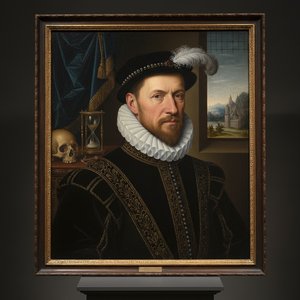
Explore the breathtaking precision of Hans Holbein the Younger. From Tudor royal portraits to intricate Northern Renaissance details, discover the mastery behind his legendary works and learn how to bring this historical grandeur into your collection with museum-quality reproductions.


 效果预览
效果预览
 分享
分享 分享
分享
 详情
详情 指南
指南

 下载
下载
 相似作品
相似作品 X射线
X射线 幻灯片播放
幻灯片播放 统计数据
统计数据 展开详情
展开详情









 玻璃选项仅适用于110厘米以下的尺寸。


![让·德·丹特维尔与乔治·德·塞尔双人肖像(又名《大使们》)[细节]](/media/artworks/images-thumb/bb/ab/bbab7ce77b7dd15d23d21114a63b51a4.jpg)

![让·德·丹特维尔与乔治·德·塞勒的双人肖像(又名《大使们》)[细节]](/media/artworks/images-thumb/42/81/42813dc49b2f72bce897aaf8b747ad5b.jpg)


