
 Oil On PanelWallArtNorthern Renaissance
 1516Renaissance
 37.0 x 48.0 cm
 Germanisches Nationalmuseum
博物馆级艺术微喷或帆布版画,制作高效,并提供多种饰面选择。 ( 购买手绘画作 切换至数字图像销售渠道)





























从与原作比例一致的预设尺寸中进行选择。

您可以输入自定义尺寸,以适配特定的画框或空间。如果您选择的尺寸与原图比例不符,我们将对作品进行裁剪,或通过镜像填充/纯色填充边缘的方式来扩展图像。在开始制作之前,我们会向您发送一份数字效果图供您确认。
请注意,屏幕上的预览并不能反映实际的裁剪或扩展效果。只有效果图才能准确展示最终的构图。
虽然我们提供定制尺寸,但为了保持原图比例,我们建议您从预设列表中选择尺寸。

Madonna and Child
复制品尺寸
In the quiet, luminous depths of Hans Baldung Grien’s 1516 masterpiece, Madonna and Child, we encounter more than a mere religious icon; we enter a profound meditation on the sanctity of life and the vulnerability of love. Set against the backdrop of the burgeoning High Renaissance in Bavaria, this painting serves as a breathtaking bridge between the structured traditions of the Northern German Gothic and the expressive, psychological complexities of the emerging Mannerist movement. The scene is one of intimate devotion, where the Virgin Mary cradles her infant son with a tenderness that feels startlingly human. Unlike the distant, idealized figures often found in contemporary Italian works, Baldung presents a Mary whose presence is palpable, her maternal instinct rendered with an emotional resonance that transcends the boundaries of time and medium.
The composition draws the viewer into a nurturing sanctuary, where the central figures are surrounded by a soft, atmospheric warmth. As one gazes upon the painting, the eye is led through a delicate arrangement of figures—other children linger near the mother, their presence adding layers of familial depth to the divine narrative. Small, symbolic details are woven into the fabric of the scene, such as the subtle placement of an apple or a book, which serve as quiet reminders of the theological weight carried by the Christ child. These elements do not merely decorate; they anchor the spiritual significance of the moment, inviting collectors and enthusiasts to contemplate the intersection of the earthly and the divine.
Technically, Baldung’s work is a triumph of oil on panel, showcasing a level of meticulous craftsmanship that remains awe-inspiring centuries later. The artist utilized sophisticated layering and glazing techniques to achieve a remarkable luminosity, allowing light to seem as though it is emanating from within the skin of the holy figures themselves. This brilliance is particularly evident in the rendering of Mary’s drapery, where intricate folds and deep shadows create a sense of weight, movement, and tactile richness. The use of chiaroscuro—the dramatic interplay between light and shadow—is employed not just for structural depth, but to heighten the emotional impact of the scene, casting a soft glow upon the serene expression of the infant Jesus.
For the discerning interior designer or art lover, this painting offers an unparalleled sense of prestige and soulful elegance. The way Baldung manipulates texture—from the softness of a child's cheek to the heavy, woven quality of liturgical cloth—provides a visual feast that commands attention in any curated space. A high-quality reproduction of this work brings with it a sense of historical gravity and an atmosphere of peace, making it an ideal centerpiece for those seeking to infuse their surroundings with classical beauty and intellectual depth.
To understand this painting is to understand the unique spirit of Hans Baldung Grien, an artist who dared to move beyond the polished perfection of his peers to embrace a more expressive, sometimes unsettling, psychological truth. His ability to blend the meticulous detail of the Northern tradition with the dramatic tension of Mannerism creates a work that is both comforting and deeply moving. The Madonna and Child stands as a testament to a period of immense cultural transformation, capturing the very essence of humanist thought through the lens of maternal grace.
Whether viewed as a historical artifact or a stunning piece of decorative art, the painting continues to resonate with its ability to evoke empathy. It invites the viewer to pause, to breathe, and to reconnect with the universal themes of protection, faith, and the enduring bond between parent and child. Owning a reproduction of such a significant work is not merely an acquisition of decor; it is an invitation to live alongside a masterpiece that celebrates the most profound aspects of the human experience.

大约1485年,汉斯·巴尔杜格出生于坐落在巴伐利亚连绵丘陵间的帝国自由城市施瓦本格明德。由于他生前偏爱穿着绿色服饰,世人便永远记住了他——汉斯·巴尔杜格·格林(Hans Baldung Grien)。他出身于一个意想不到的学者世家,与许多承袭家族手艺的文艺复兴艺术家不同,他是几代人中第一个未被预定从事大学深造的男性。他的父亲约翰·巴尔杜格是斯特拉斯堡主教区受人尊敬的法学家,曾为儿子规划了类似的学术道路。然而,年轻的汉斯却选择了画笔与雕刻刀,踏上了一段艺术征程,这段旅程使他成为了德国文艺复兴时期最独特且最神秘的人物之一。这一抉择并非是对教养的背离,而是一种好奇心的重新导向——这种特质贯穿了他的整个作品集。他的早期训练始于1500年左右的上莱茵地区,师从一位斯特拉斯堡艺术家,在寻找更卓越的大师磨炼技艺之前,为自己的技术能力奠定了基础。这段初始时期赋予了他素描与构图的根基,为他在纽伦堡即将面临的严苛艺术环境做好了准备。
巴尔杜格艺术发展的关键时刻出现在1503年,当时他成为了纽伦堡阿尔布雷希特·丢勒工作室的学徒。这段时期具有深远的塑造意义,使他接触到了定义丢勒风格的细致入微、严谨理性和创新的版画技术。两位艺术家建立了紧密的联系;当丢勒前往威尼斯游历时,巴尔杜格甚至负责管理丢勒的工作室。然而,尽管深受丢还没有的影响——这在他早期展现精确素描和北方写实主义的作品中清晰可见——巴尔杜格很快便开始锻造属于自己的艺术身份。他吸收了文艺复兴大师们的教诲,却将其注入了独特的德国感性,其特征是富有表现力的色彩、充满想象力的构图以及日益加深的心理深度。这种与丢勒更为古典的手法之间的分歧,成为了巴尔杜格成熟风格的标志。他在威尼斯监管丢勒事务的经历,也让他接触到了蓬勃发展的意大利文艺复兴艺术场景,拓宽了他的艺术视野,并微妙地影响了他的色调与构图选择。他从意大利归来时,带着更敏锐的色彩感和对空间布局实验的渴望,这使他在同辈艺术家中脱颖而出。
汉斯·巴尔杜格·格林是一位拥有卓越多才艺的艺术家,精通绘画、版画(尤其是木刻与铜版画)、素描、挂毯设计,甚至彩绘玻璃制作。他的绘画作品通常规模较小,却充满了令人费解的寓言和神话叙事,并以鲜艳的色调和独特的空间模糊感呈现。他在肖像画方面表现卓越,能以写实主义与心理洞察力捕捉赞助人的神态。然而,巴尔杜格在今天最广为人知的或许是他的木刻作品。这些版画的特点在于其戏剧性的构图、错综复杂的细节以及往往带有死亡色彩的主题。贯穿他作品的一个反复出现的主题是对巫术、死亡和超自然现象的痴迷——这反映了16世纪德国普遍存在的焦虑与信仰。他对女巫的描绘尤为震撼,他们并非被塑造成刻板的老巫婆,而是复杂的、甚至具有诱惑力的形象,体现了恐惧与着迷的交织。例如,《被施了魔法的新郎》便是一部令人胆寒且极具感染力的作品,它凝聚了他对人类经验阴暗面的这种沉溺。The Bewitched Groom 的技法在木刻领域堪称大师级;他利用该媒介制造强烈对比与精细细节的能力,创造出既具有视觉冲击力又在心理上令人不安的图像。
巴尔杜格的职业生涯展开于一个宗教与政治剧烈动荡的时期,其标志便是新教宗教改革的兴起。虽然他并未公开倒向任何特定派别,但他的作品往往反映了德国精神景观的变化。他为明斯特市创作的宏伟祭坛画完成于1531年,正是这种参与的见证,通过其图像学和风格选择展示了对宗教改革运动的支持。1545年,巴尔杜变逝世于斯特拉斯堡,留下了至今仍能令观众着迷与好奇的作品集。他的影响力可见于后世德国艺术家的作品中,而他将文艺复兴技法、北方表现主义与寓言复杂性进行的独特融合,确立了他在艺术史上的重要地位。他始终是一位邀请人们进行沉思的艺术家,挑战我们去面对人性阴暗面以及不可见世界的奥秘。他对巫术与死亡等主题的探索持续引起当代观众的共鸣,使他成为文艺复兴大师殿堂中一位永恒且引人入胜的人物。
巴尔杜格的作品可以在欧洲和北美的著名博物馆中寻得:
这些机构为人们提供了亲身体验汉斯·巴尔杜格·格林迷人艺术造诣与持久遗产的机会。

1485 - 1545 , 德国
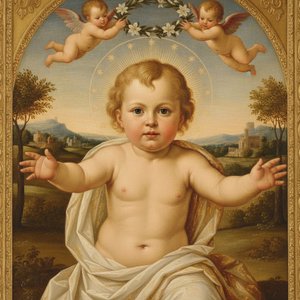
Explore the profound beauty of Baby Jesus in fine art history. From Raphael's Renaissance masterpieces to symbolic light, discover how classical painters captured divine innocence through masterful technique and sacred iconography.
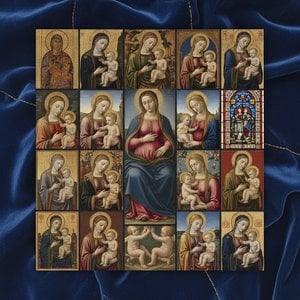
Embark on a sophisticated journey through art history with our curated guide to the most iconic Madonna and Child masterpieces. Discover the profound beauty, theological depth, and enduring legacy of these sacred Renaissance treasures.

Explore the profound precision of German Renaissance art. From Albrecht Dürer’s intricate engravings to the soulful depth of Northern Renaissance portraiture, discover a masterclass in detail, humanism, and technical mastery for the true art enthusiast.


 效果预览
效果预览
 分享
分享 分享
分享
 详情
详情

 下载
下载
 相似作品
相似作品 X射线
X射线 幻灯片播放
幻灯片播放 统计数据
统计数据 展开详情
展开详情









 玻璃选项仅适用于110厘米以下的尺寸。


