
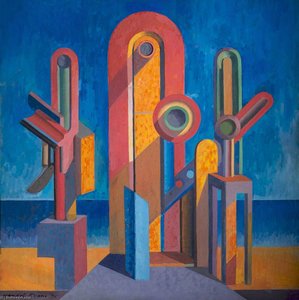
 128.0 x 103.0 cm
购买高分辨率增强版数字图像,其品质远超在线预览。
每一份文件都由我们的内部专家使用先进工具与专业的后期润色技术精心打造。我们确保每一张图像都具备卓越的清晰度、精准的色彩还原度以及细腻的细节表现。
最终文件将在 72 小时内通过电子邮件交付,并针对专业、编辑及印刷用途进行了优化。其品质与顶级设计工作室、出版社和画廊所信赖的标准完全一致。
选择 WahooArt.com,您获得的不仅仅是一张图像——您收到的是经过专业级增强、精雕细琢的数字艺术作品,并享有满意保证。以下是您的订单中自动包含的所有内容:

您的高分辨率数字图像文件将在下单后 72 小时内通过电子邮件发送给您 —— 即可立即使用。

您的艺术品经过专业优化,结合先进的 AI 技术与人工修饰,确保呈现极致的细节、清晰度与色彩准确度。

不小心删除了文件或找不到了?没关系——我们将随时为您免费重发。

即刻拥有您的艺术作品,无需支付任何关税、税费或运费——数字下载始终免税。

我们通过专业工具与色彩管理技术,确保您的数字图像尽可能真实地还原原作色彩。

如果您对所购数字图像不满意,我们将在100天内为您进行修改或提供100%的全额退款——无需任何理由。

不满意?在收到数字文件后的100天内,您可以申请全额退款——无需任何理由。

购买 3 张图片可享 10% 折扣 - 购买 5 张可享 15% 折扣 - 购买 10+ 张可享 20% 折扣。非常适合创意项目、画廊和机构使用。

George Frideric Handel, a name synonymous with grandeur and timeless melody, was far more than just a composer. He was a theatrical genius, an innovator in orchestral writing, and a master of the oratorio – a figure who profoundly shaped the landscape of Western music. Born into a musical family in Halle, Germany, in 1685, Handel’s life was a testament to relentless ambition, artistic evolution, and a deep-seated connection to the dramatic arts. His journey from a promising young organist to an internationally renowned composer is a captivating story interwoven with political intrigue, personal tragedy, and unparalleled creative achievement.
Handel's early musical training was rigorous and comprehensive. He studied at the prestigious Thomasschule in Halle, where he honed his skills on the organ and harpsichord. His father, a barber-surgeon and musician, instilled in him a love for music that would define his entire life. However, it wasn’t solely through formal instruction that Handel developed; he was a prodigious self-taught musician, absorbing musical knowledge from countless performances and by meticulously studying the scores of his predecessors. This dedication to both structured learning and independent exploration laid the foundation for his distinctive compositional style.
A pivotal moment in Handel's career arrived with his relocation to Italy in 1732, at the invitation of impresario Antonio Salieri. This move marked a dramatic shift in his musical language, moving away from the predominantly Italianate styles he had previously encountered and embracing the vibrant, expressive qualities of the Baroque era. In Venice, Handel composed operas such as *Rinaldo* and *Giulio Cesare*, showcasing his growing mastery of vocal writing, orchestration, and dramatic pacing. These works established him as a leading operatic composer, attracting audiences across Europe with their spectacular staging and compelling narratives.
Handel’s most enduring legacy undoubtedly rests upon *Messiah*, an oratorio completed in 1741. Initially conceived as a single movement for Easter, it evolved into a monumental work encompassing prophecies, lamentations, and triumphant declarations of redemption. The sheer scale of *Messiah* – nearly three hours long – was unprecedented for its time, and its innovative use of choruses, recitatives, and arias captivated audiences across the British Isles and beyond. The oratorio’s popularity soared in subsequent centuries, becoming inextricably linked with Christmas celebrations and solidifying Handel's place as one of history’s most beloved composers.
Beyond its religious significance, *Messiah* represents a remarkable feat of musical craftsmanship. Handel masterfully blended Hebrew texts with Italian operatic conventions, creating a work that was both deeply spiritual and intensely dramatic. The orchestration is particularly noteworthy, employing a vast array of instruments – trumpets, timpani, oboes, horns, strings – to evoke a sense of grandeur and emotional intensity. The use of the choruses, in particular, created a powerful communal experience for listeners, uniting them in a shared expression of faith and hope.
Handel’s career was marked by extensive travel throughout Europe, often at the invitation of royal courts. He served as Kapellmeister (music director) to the rulers of Hanover, Eisenach, and Detmold, each offering him patronage and opportunities to showcase his talents. These appointments provided him with valuable experience in managing orchestras, composing for specific venues, and navigating the complex world of courtly music. His time in London proved particularly fruitful, establishing him as a leading figure in the city’s musical scene.
Despite achieving considerable success, Handel faced personal tragedies throughout his life. His first wife, Anna Maria Weber, died in 1729, leaving him with deep sorrow and a profound sense of loss. His son, Julius, tragically drowned in 1759, further compounding his grief. These hardships undoubtedly influenced the emotional depth and intensity of his later works.
George Frideric Handel died in London in 1759, leaving behind a vast and influential body of work. His contributions to opera, oratorio, orchestral music, and choral writing continue to resonate with audiences today. His dramatic flair, masterful orchestration, and profound understanding of human emotion have inspired generations of composers – from Mozart and Beethoven to Mendelssohn and Brahms. Handel’s legacy extends far beyond the realm of music; he remains a symbol of artistic ambition, creative innovation, and the enduring power of sound to move and uplift the human spirit.
1932 - 1999


 效果预览
效果预览
 切换至版画销售渠道
 分享
分享 分享
分享
 详情
详情

 下载
下载
 相似作品
相似作品 X射线
X射线 幻灯片播放
幻灯片播放 统计数据
统计数据 展开详情
展开详情


