
 Oil On CanvasWallArtSymbolist Painting
 189019th Century
 115.0 x 200.0 cm
由我们的艺术家按需定制,为您提供您所选尺寸及画框的布面手工油画。 ( 切换至版画销售渠道 切换至数字图像销售渠道)





























从与原作比例一致的预设尺寸中进行选择。

您可以输入自定义尺寸,以适配特定的画框或空间。如果所选尺寸与原图比例不符,我们将通过裁剪作品或添加手绘元素来扩展画面。数字样稿将在制作开始前发送给您确认。
请注意,屏幕预览无法准确反映实际的裁剪或扩展效果,只有样稿才能真实呈现最终的构图。
虽然我们提供定制尺寸服务,但为了保留原作比例,建议您从预设列表中选择尺寸。

The Prodigal Son
复制品尺寸
To gaze upon Gustave Moreau’s “The Prodigal Son” is to step beyond the veil of the visible world and enter a realm where the boundaries between reality and dream dissolve. Created around 1890, this masterpiece serves as a profound testament to the Symbolist movement, a period defined by an inward turn toward the mysteries of the human psyche. Moreau, often hailed as the "painter par excellence" of Symbolism, does not merely recount the biblical parable of the wayward son; he reimagines it as a haunting, psychological odyssey. The painting captures that pivotal moment of transition—the heavy weight of repentance meeting the ethereal promise of forgiveness. For the discerning collector or interior designer, this work offers more than just visual splendor; it provides a window into the spiritual anxieties and profound emotional depths that characterized the late 19th-century artistic consciousness.
The composition is a dynamic tapestry of movement and narrative tension. Within the frame, we encounter a scene teeming with life yet shrouded in an enigmatic atmosphere. A man, perhaps the son himself, is depicted in a suit atop a horse, navigating a landscape populated by a diverse assembly of figures and animals. The presence of horses and donkeys, scattered from the immediate foreground to the distant periphery, lends a sense of bustling, unfolding history to the piece. This orchestrated chaos is not random but serves to ground the allegorical weight of the story in a palpable, breathing world. The interplay between the central figures and the surrounding activity creates a rhythmic energy that draws the eye through the canvas, making the viewer an active participant in this unfolding drama of redemption.
Moreau’s technical mastery is evident in the luminous, almost otherworldly texture of the work. Eschewing the fleeting, light-drenched impressions of his contemporaries, Moreau utilized a more deliberate and layered approach to achieve a sense of permanence and depth. The palette is masterfully restrained, dominated by earthy, evocative tones—ochre, umber, and ivory—which coalesce to create a dreamlike, sepia-toned atmosphere. Through the careful application of oil on canvas, he achieves a remarkable luminosity, where light does not simply strike the surface but seems to emanate from within the layers themselves. This technique imbues the figures with a sculptural presence, making the textures of fabric and the musculature of the animals feel both tactile and transcendent.
For those seeking to integrate such a profound piece into a curated space, the aesthetic versatility of "The Prodigal Son" is remarkable. The muted, sophisticated color scheme allows it to serve as a soulful anchor in a room, providing a sense of historical gravity and intellectual depth. Whether placed in a contemporary gallery setting or a classic, richly textured study, the painting’s ability to command attention through subtle nuance rather than garish color makes it an exquisite choice for high-end decor. It is a work that rewards long, contemplative stares, offering new layers of detail and emotional resonance with every encounter.
Beyond its formal beauty, the true power of Moreau’s work lies in its symbolic polyvalence. As a pioneer of Symbolism, Moreau sought to express truths that words often fail to capture. In "The Prodigly Son," the physical journey of the returning traveler becomes an allegory for the soul's return to grace. Every element—from the starkness of the landscape to the weary posture of the figures—contributes to a larger meditation on morality, faith, and the enduring power of familial love. It is a painting that speaks to the universal human experience of loss and recovery, making it eternally relevant.
Owning a high-quality reproduction of this masterpiece allows one to bring this sense of spiritual inquiry into the modern home. It is an invitation to reflect, to dream, and to find beauty in the complexities of the human condition. For the art lover, it is a piece of history; for the designer, it is a cornerstone of atmosphere; and for the soul, it is a profound encounter with the sublime.


1826 - 1898 , 法国

Embark on a sophisticated journey through the eternal allure of mythological art. Discover how master painters breathe life into ancient legends, from Greek deities to Baroque masterpieces, and learn to curate these timeless narratives within your own exquisite art collection.
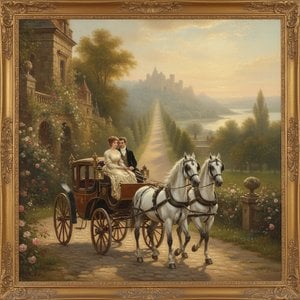
Embark on a visual journey through the romantic world of horse carriage art. Discover the mastery of equestrian oil paintings, from Impressionist textures to classical realism, and learn how to bring timeless elegance into your home with museum-quality reproductions.


 效果预览
效果预览
 分享
分享 分享
分享
 详情
详情 指南
指南

 下载
下载
 相似作品
相似作品 X射线
X射线 幻灯片播放
幻灯片播放 统计数据
统计数据 展开详情
展开详情









 玻璃选项仅适用于110厘米以下的尺寸。


