博物馆级艺术微喷或帆布版画,制作高效,并提供多种饰面选择。 ( 购买手绘画作 切换至数字图像销售渠道)





























从与原作比例一致的预设尺寸中进行选择。

您可以输入自定义尺寸,以适配特定的画框或空间。如果您选择的尺寸与原图比例不符,我们将对作品进行裁剪,或通过镜像填充/纯色填充边缘的方式来扩展图像。在开始制作之前,我们会向您发送一份数字效果图供您确认。
请注意,屏幕上的预览并不能反映实际的裁剪或扩展效果。只有效果图才能准确展示最终的构图。
虽然我们提供定制尺寸,但为了保持原图比例,我们建议您从预设列表中选择尺寸。

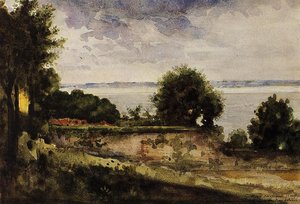
Poney ou Cavalier écossais
复制品尺寸
Gustave Moreau's “Poney ou Cavalier écossais” (Scottish Horseman) is not merely a depiction of a man and his mount; it’s a window into the artist’s deeply imaginative world, a realm where mythology, literature, and personal symbolism converge. Painted sometime in the 1870s, this work stands as a fascinating bridge between Moreau's earlier Romantic inclinations and the burgeoning Symbolist movement he would come to define. The painting presents a solitary rider traversing an expansive field beneath a dramatic, cloud-strewn sky. The figure, cloaked and hatted, is poised with an arm raised—a gesture that feels less about control of the animal and more akin to a reaching towards something unseen, perhaps a spiritual aspiration or a forgotten legend. The horse itself dominates the composition, its powerful form rendered with meticulous detail, suggesting both strength and a wild, untamed spirit.
Moreau’s artistic journey was profoundly shaped by his admiration for Eugène Delacroix, whose vibrant colors and exotic subjects resonated deeply within him. The influence is palpable in “Poney ou Cavalier écossais,” particularly in the dynamic interplay between light and shadow and the emotional intensity conveyed through the landscape. However, Moreau wasn’t simply imitating; he was evolving beyond the purely representational. The painting isn't a straightforward portrayal of Scottish life but rather an evocation of its atmosphere—a sense of rugged beauty, ancient history, and perhaps even melancholy. This shift towards subjective experience is a hallmark of Symbolism, which rejected Realism and Impressionism’s focus on objective observation in favor of exploring inner worlds and spiritual truths. The inclusion of birds scattered throughout the scene adds to this ethereal quality, hinting at freedom and transcendence.
While seemingly straightforward in its subject matter, “Poney ou Cavalier écossais” is steeped in layers of potential symbolism. The Scottish Highlands themselves held a romantic allure for many 19th-century artists and writers, representing a land of untamed nature and ancient traditions. The horse, a recurring motif in Moreau’s work, often embodies primal energy and instinctual power. The rider's raised arm could be interpreted as an invocation—a plea to the forces of nature or the spirits of the past. It is also worth noting that Moreau was deeply fascinated by literature, particularly works like Sir Walter Scott’s novels which romanticized Scottish history and folklore. The painting may therefore allude to specific narratives or characters from these tales, inviting viewers to engage in their own imaginative interpretations. The work's ambiguity is intentional; Moreau sought not to dictate meaning but to evoke emotion and stimulate contemplation.
Moreau’s meticulous technique is evident in every brushstroke of “Poney ou Cavalier écossais.” He employed a painstaking approach, building up layers of paint to create rich textures and luminous effects. The rendering of the horse's coat, for example, demonstrates his mastery of light and shadow, capturing both its muscularity and its sheen. The atmospheric perspective—the way in which colors fade and details soften with distance—creates a sense of depth and vastness. Moreau’s dedication to detail wasn’t merely about technical skill; it was integral to his symbolic vision. By imbuing every element of the painting with significance, he transformed a simple scene into a complex and evocative work of art. Today, the original resides within the Musée Gustave Moreau in Paris, a testament to his enduring legacy as one of Symbolism’s most important figures.


1826 - 1898 , 法国

Embark on a sophisticated journey through the eternal allure of mythological art. Discover how master painters breathe life into ancient legends, from Greek deities to Baroque masterpieces, and learn to curate these timeless narratives within your own exquisite art collection.

Explore the profound beauty of mythological figures through the lens of art history. From Renaissance masterpieces to custom oil reproductions, discover how legendary tales of heroism and divinity are immortalized in fine art for discerning collectors.
Embark on a visual journey through the romantic world of horse carriage art. Discover the mastery of equestrian oil paintings, from Impressionist textures to classical realism, and learn how to bring timeless elegance into your home with museum-quality reproductions.


 效果预览
效果预览
 分享
分享 分享
分享
 详情
详情 指南
指南

 下载
下载
 相似作品
相似作品 X射线
X射线 幻灯片播放
幻灯片播放 统计数据
统计数据
 展开详情
展开详情









 玻璃选项仅适用于110厘米以下的尺寸。