
 Acrylic On CanvasWallArtRealism
 1871
1871 195.0 x 315.0 cm
博物馆级艺术微喷或帆布版画,制作高效,并提供多种饰面选择。 ( 购买手绘画作 切换至数字图像销售渠道)





























从与原作比例一致的预设尺寸中进行选择。

您可以输入自定义尺寸,以适配特定的画框或空间。如果您选择的尺寸与原图比例不符,我们将对作品进行裁剪,或通过镜像填充/纯色填充边缘的方式来扩展图像。在开始制作之前,我们会向您发送一份数字效果图供您确认。
请注意,屏幕上的预览并不能反映实际的裁剪或扩展效果。只有效果图才能准确展示最终的构图。
虽然我们提供定制尺寸,但为了保持原图比例,我们建议您从预设列表中选择尺寸。

Three Red Apples
复制品尺寸
In 1871, at a pivotal moment in the history of art, Gustave Courbet presented the world with “Three Red Apples,” a deceptively simple composition that belies its profound significance. More than just a depiction of fruit on a table, this painting represents a radical shift in artistic practice – a deliberate rejection of academic conventions and a passionate embrace of Realism’s commitment to portraying everyday life with unflinching honesty. Housed within the esteemed Musée d'Orsay in Paris, this work stands as a testament to Courbet’s revolutionary vision and his enduring influence on subsequent generations of artists.
Courbet’s Realism wasn’t merely about painting what one saw; it was about capturing the *truth* of that observation. He deliberately eschewed romantic idealization, historical grandiosity, or mythological narratives – subjects typically favored by the established art academies. Instead, he focused on the ordinary: a table, three apples, and the play of light upon their surfaces. This seemingly modest subject matter became a powerful statement in itself, asserting the validity of depicting the world as it truly was, without embellishment or judgment. The painting’s power lies precisely in its simplicity – a deliberate choice to strip away artifice and confront the viewer with the raw reality of the scene.
The apple itself is laden with symbolic weight, drawing upon centuries of artistic and cultural associations. In the biblical story of Adam and Eve, the forbidden fruit represents temptation, knowledge, and ultimately, humanity’s fall from grace. Throughout Western art history, apples have served as potent symbols – in Renaissance paintings they often signify beauty, love, and even mortality. Courbet masterfully utilizes this pre-existing symbolism, inviting viewers to contemplate the deeper meanings embedded within the seemingly straightforward arrangement of fruit. The vibrant red color further intensifies these associations, evoking both pleasure and a subtle sense of foreboding.
Courbet’s technique is characterized by bold, expressive brushstrokes that capture the texture and form of the apples with remarkable accuracy. He employed a loose, painterly style – avoiding meticulous detail and instead focusing on conveying the essence of the subject matter. The composition is remarkably balanced, with the three apples arranged in a triangular formation that draws the eye across the canvas. The dark background serves to accentuate the brilliance of the fruit, creating a dramatic contrast of light and shadow. The subtle variations in color and tone – from the deep crimson of the apples to the muted browns and grays of the table – demonstrate Courbet’s keen observational skills and his ability to capture the nuances of everyday life.
“Three Red Apples” is considered a pivotal work in the development of modern art. It paved the way for Impressionism, Cubism, and other movements that challenged traditional artistic conventions. Courbet’s commitment to depicting reality without idealization profoundly influenced artists like Paul Cézanne, who sought to capture the underlying structure of objects rather than their superficial appearance. The painting's directness and its focus on ordinary subjects resonated with a growing desire for art to reflect the experiences of everyday people – a sentiment that continues to inform artistic practice today. It remains a powerful reminder of Courbet’s revolutionary vision and his enduring legacy as one of the most important artists of the 19th century.


1819 - 1877 , 法国
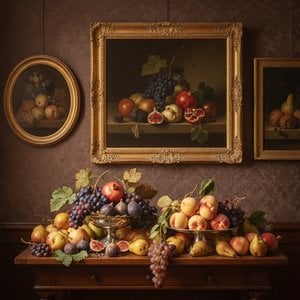
Discover the profound beauty of fruit still life paintings. Explore the rich symbolism, Baroque mastery, and timeless allure of nature's bounty through an art-historical lens, perfect for collectors and enthusiasts of classical fine art.

Explore the profound beauty of fruit arrangement masterpieces. From Dutch Golden Age opulence to Baroque chiaroscuro, discover the art history, symbolism, and timeless elegance of classical still life paintings for the discerning collector.


 效果预览
效果预览
 分享
分享 分享
分享
 详情
详情

 下载
下载
 相似作品
相似作品 X射线
X射线 幻灯片播放
幻灯片播放 统计数据
统计数据 展开详情
展开详情









 玻璃选项仅适用于110厘米以下的尺寸。


