
 Oil On CanvasWallArtContemporary Realism
 187319th Century
 38.0 x 46.0 cm
博物馆级艺术微喷或帆布版画,制作高效,并提供多种饰面选择。 ( 购买手绘画作 切换至数字图像销售渠道)





























从与原作比例一致的预设尺寸中进行选择。

您可以输入自定义尺寸,以适配特定的画框或空间。如果您选择的尺寸与原图比例不符,我们将对作品进行裁剪,或通过镜像填充/纯色填充边缘的方式来扩展图像。在开始制作之前,我们会向您发送一份数字效果图供您确认。
请注意,屏幕上的预览并不能反映实际的裁剪或扩展效果。只有效果图才能准确展示最终的构图。
虽然我们提供定制尺寸,但为了保持原图比例,我们建议您从预设列表中选择尺寸。

The Source at Ornans
复制品尺寸
In the quietude of the Jura Mountains, where the earth meets the sky in a rugged embrace, lies the heart of Gustave Courbet’s The Source at Ornans. This masterpiece is far more than a mere depiction of a riverside; it is an intimate invitation into the very essence of the French countryside. As the eye wanders through the composition, one encounters a tranquil river meandering through verdant meadows, its path carved by time and nature itself. The landscape is punctuated by rocky outcrops and lush greenery, creating a sense of profound depth and vitality. Near the water’s edge, two figures stand as silent witnesses to the scene, their presence subtly anchoring the viewer within this serene environment. They do not dominate the canvas but rather serve as a bridge between the human experience and the untamed beauty of the natural world, inviting us to pause and contemplate the harmony that exists when we exist alongside nature.
To behold this work is to witness the birth of Realism in its most unadulterated form. Courbet, a rebel against the polished, idealized conventions of the academic tradition, sought to strip away the romanticized illusions of his era. In The Source at Ornans, there is no attempt to embellish or beautify the landscape beyond its inherent truth. Instead, we are presented with an uncompromising commitment to reality. This stylistic choice was a radical departure from the grand historical narratives and mythological subjects that dominated the salons of the 19th century. By focusing on the humble, the local, and the everyday, Courbet elevated the provincial landscape to a subject of profound importance, asserting that there is immense dignity and beauty to be found in the world exactly as it exists.
The true magic of this painting lies in its palpable physicality. Courbet was a pioneer of the palette knife technique, a method that allowed him to apply thick, heavy layers of impasto onto the canvas. This approach creates a sculptural quality, where the pigment itself becomes part of the landscape's topography. When you observe the rocky terrain or the flowing water, you are not just seeing color; you are feeling the ruggedness of the stone and the movement of the current through the very texture of the paint. The rich, deep pigments reflect Courbet’s mastery over light and shadow, capturing the subtle nuances of a sun-drenched afternoon in France. For the collector or interior designer, this textural depth offers an extraordinary sensory experience, making the artwork feel alive and breathing within any space it inhabits.
Painted in 1873, the work emerged from a period of intense social and political transformation in France. Following the conclusion of the Franco-Prussian War, the nation was grappling with its identity and purpose. In this context, Courbet’s decision to paint the familiar landscapes of his home was a deliberate act of subversion. He rejected the escapism of Romanticism in favor of an honest representation of his roots. This historical weight adds a layer of profound emotional impact to the piece; it is a testament to resilience and the enduring power of the land. For those seeking to bring a sense of groundedness, strength, and timeless elegance into their homes, this reproduction serves as a powerful reminder of the beauty found in authenticity and the quiet strength of the natural world.


1819 - 1877 , 法国

探索保罗·塞尚25幅经典杰作!深入了解后印象派大师的艺术生涯、独特技法与色彩运用。WahooArt提供高清油画复制品,为您的家居带来博物馆级艺术体验。立即发现更多名画,点亮生活空间!
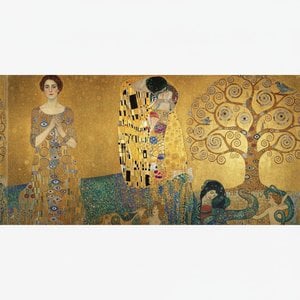
探索古斯塔夫·克林姆25幅传世名画,领略维也纳分离派的金色辉煌!深入了解每一件艺术品的创作故事与象征意义。WahooArt.com提供博物馆级高质量复制品,为您的家居带来艺术灵感。立即在线探索完整系列!

Explore the rich history of rivers in painting! Discover masterpieces from ancient times to Impressionism & beyond. Learn about symbolism, artists like Monet & Daubigny, and find your perfect serene artwork at WahooArt.

Explore the captivating landscapes of Gustave Loiseau, a key Post-Impressionist painter. Discover his unique 'en treillis' technique and artistic legacy with our comprehensive guide.

Explore the rich history of landscape art with WahooArt. Discover renowned artists, movements like Impressionism & tonalism, and expert guidance for collecting timeless pieces. Find your perfect serene escape today!


 效果预览
效果预览
 分享
分享 分享
分享
 详情
详情

 下载
下载
 相似作品
相似作品 X射线
X射线 幻灯片播放
幻灯片播放 统计数据
统计数据 展开详情
展开详情









 玻璃选项仅适用于110厘米以下的尺寸。


