
博物馆级艺术微喷或帆布版画,制作高效,并提供多种饰面选择。 ( 购买手绘画作 切换至数字图像销售渠道)





























从与原作比例一致的预设尺寸中进行选择。

您可以输入自定义尺寸,以适配特定的画框或空间。如果您选择的尺寸与原图比例不符,我们将对作品进行裁剪,或通过镜像填充/纯色填充边缘的方式来扩展图像。在开始制作之前,我们会向您发送一份数字效果图供您确认。
请注意,屏幕上的预览并不能反映实际的裁剪或扩展效果。只有效果图才能准确展示最终的构图。
虽然我们提供定制尺寸,但为了保持原图比例,我们建议您从预设列表中选择尺寸。

Seascape 1
复制品尺寸
Gustave Courbet’s “Seascape 1,” painted sometime between 1867 and 1870, stands as a cornerstone of Realism—a movement that deliberately rejected the romanticized fantasies of its predecessors in favor of unflinching depictions of everyday life. More than just a picturesque depiction of the sea; it's a profound statement about humanity’s relationship with nature and a challenge to artistic conventions that prioritized beauty over truth.
Painted during a period marked by significant social and political upheaval—the Franco-Prussian War (1870–1871)—“Seascape 1” reflects the anxieties of its era. Romantic painters had glorified heroic landscapes and idealized figures, often elevating imagination over observation. Courbet deliberately confronted this trend, arguing that art should reflect the realities of the working class and the natural world without embellishment. He famously declared, “I paint what I see,” a mantra that encapsulated his artistic philosophy.
"Seascape 1" isn’t intended to inspire sentimental contemplation; rather, it compels viewers to confront the harsh realities of existence. Courbet's masterful rendering of the sea—its relentless force and unpredictable nature—transfers this feeling onto the canvas. The painting evokes a visceral response, prompting reflection on our place within the natural world and reminding us that beauty can coexist with danger.


1819 - 1877 , 法国

Explore the revolutionary art of Gustave Courbet, pioneer of Realism. Discover his iconic paintings, social commentary, and lasting impact on 19th-century French art history. Expert analysis & insights.
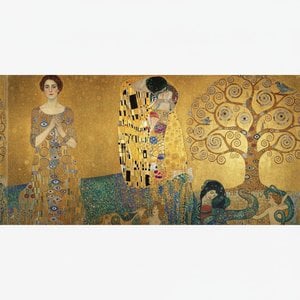
探索古斯塔夫·克林姆25幅传世名画,领略维也纳分离派的金色辉煌!深入了解每一件艺术品的创作故事与象征意义。WahooArt.com提供博物馆级高质量复制品,为您的家居带来艺术灵感。立即在线探索完整系列!

Explore 10 defining masterpieces of Romantic Realism! Discover Courbet, Millet & Daumier's powerful paintings—capturing emotion and social realities. Find museum-quality reproductions for your home at WahooArt.com.

探索现实主义艺术的巅峰!本文精选十幅定义了这场运动的杰作,从库尔贝到米勒,揭秘艺术家背后的故事与技法。寻找博物馆级复制品和室内设计灵感?WahooArt.com为您呈现经典绘画的完美演绎。在线探索全系列!

Explore the captivating world of seascape art! Discover its history, key artists & movements – from Dutch Masters to Impressionism. Expert insights for collectors and enthusiasts at WahooArt.


 效果预览
效果预览
 分享
分享 分享
分享
 详情
详情 指南
指南

 下载
下载
 相似作品
相似作品 X射线
X射线 幻灯片播放
幻灯片播放 统计数据
统计数据
 展开详情
展开详情









 玻璃选项仅适用于110厘米以下的尺寸。


