
博物馆级艺术微喷或帆布版画,制作高效,并提供多种饰面选择。 ( 订购此收藏品的纯手工复刻画作 切换至数字图像销售渠道)





























您可以从与原作比例一致的预设尺寸中进行选择。

请输入您所需的宽度和高度,以适配您的画框或墙面。由于印刷品只能进行裁剪,无法超出原图尺寸,因此若比例不一致,画面的一部分将会被裁切。在正式印刷之前,我们会为您发送一份数字效果图供您确认。本页面显示的图片并非最终裁剪后的效果——只有效果图才能展示真实的裁剪情况。
The bride
复刻品尺寸说明
Gustav Klimt’s The Bride (circa 1902-1907) isn't merely a painting; it’s an immersive experience, a shimmering tableau vivant that encapsulates the spirit of Art Nouveau while simultaneously hinting at deeper psychological currents. This monumental work, housed in the Belvedere Museum in Vienna, immediately captivates with its opulent use of gold leaf – a signature technique of Klimt’s “golden phase” – and its exploration of female relationships within a carefully constructed symbolic landscape. The painting depicts a group of women in varying states of repose and interaction, arranged against a subtly textured outdoor backdrop that suggests both serenity and an underlying tension. It's a scene brimming with quiet intimacy, yet simultaneously imbued with a sense of mystery and unspoken narratives.
Klimt’s genius lies not just in his technical mastery – the meticulous application of gold, the fluid lines, and the evocative use of color – but also in his ability to imbue seemingly simple forms with profound meaning. The composition itself is deliberately complex, drawing the eye through a series of interconnected figures. The reclining woman, bathed in light, represents perhaps the central figure, while the others—standing, leaning, holding one another—suggest a network of support and shared experience. The use of ties, subtly woven into the women’s clothing, powerfully symbolizes their connection, their unity, and their mutual dependence – a visual representation of sisterhood and female solidarity.
The Bride stands as a quintessential example of Art Nouveau’s aesthetic principles. The movement, which flourished in the late 19th and early 20th centuries, rejected the rigid formality of academic art in favor of organic forms, flowing lines, and an embrace of nature's beauty. Klimt masterfully translates these ideals into his work, employing sinuous curves, intricate patterns, and a deliberate blurring of boundaries between figure and background. The painting’s surface is alive with ornamentation – delicate floral motifs, swirling designs, and the shimmering gold that dominates the composition—creating a rich tapestry of visual delight.
However, Art Nouveau in Klimt's hands transcends mere decorative excess. It becomes a vehicle for exploring themes of femininity, sexuality, and the complexities of human relationships. The figures are rendered with an undeniable sensuality, their bodies presented not as objects of idealized beauty but as vessels of emotion and experience. The painting’s atmosphere is one of quiet contemplation, inviting viewers to ponder the unspoken narratives that unfold within this intimate gathering.
Beyond its surface beauty, The Bride is rich in symbolic meaning. The outdoor setting, with its trees and dappled light, suggests a connection to nature—a realm of fertility, growth, and renewal. The women themselves are often interpreted as representing different aspects of the female psyche: strength, vulnerability, intuition, and compassion. The act of holding one another, particularly the gesture of one woman gently touching the face of another, speaks volumes about empathy, support, and the bonds that unite women.
The painting’s overall mood is ambiguous, leaving much open to interpretation. Some scholars suggest it reflects Klimt's own fascination with psychoanalysis and his exploration of the subconscious mind. Others see in it a commentary on the social constraints placed upon women during the early 20th century—a subtle rebellion against patriarchal norms through the depiction of female solidarity and mutual support. Regardless of its precise meaning, The Bride remains a powerful and enduring work of art that continues to resonate with viewers today.
For those captivated by the beauty and symbolism of Gustav Klimt’s The Bride, WahooArt.com offers meticulously crafted hand-painted oil reproduction reproductions that capture the essence of this iconic masterpiece. Our skilled artists replicate Klimt's signature techniques—the shimmering gold leaf, the fluid lines, and the evocative use of color—with unparalleled attention to detail. Each reproduction is created on high-quality linen canvas using traditional oil painting methods, ensuring a timeless piece of art for your home or office.
Whether you’re an art enthusiast, a collector, or simply seeking to add a touch of Art Nouveau elegance to your décor, a Klimt reproduction from WahooArt.com is the perfect way to experience the magic of this extraordinary painting. Explore our collection today and discover the beauty of Klimt's vision.


1862 - 1918 , 奥地利
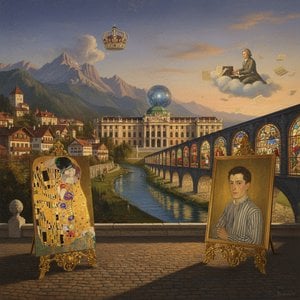
Embark on a sophisticated journey through Austrian art history. Explore the golden brilliance of Gustav Klimt and the elegance of the Vienna Secession through an expert lens, celebrating the enduring soul of Central European masterpieces.
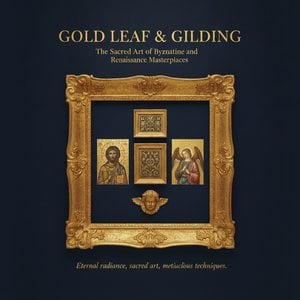
Explore the divine mastery of Byzantine gold leaf and gilding. Discover how ancient artisans used gold ground and mosaics to create celestial light, a timeless legacy of spiritual splendor and technical excellence in sacred art history.

Embark on a sophisticated journey through the splendor of Austrian art. From Gustav Klimt’s golden masterpieces to the elegance of the Viennese Secession, discover the history and symbolism behind Europe's most iconic works for the discerning collector.

Embark on a visual journey through the world's most radiant masterpieces. Discover how gold leaf, impasto textures, and gilded tones define luxury in fine art, from Byzantine icons to modern abstracts. Explore the eternal allure of gold in curated, museum-quality art collections.

Explore the profound impact of the Vienna Secession movement. Discover how visionaries like Gustav Klimt revolutionized modern art through symbolism, gold leaf, and bold ornamentation in this deep dive into the aesthetic revolution that redefined the visual landscape of Europe.


 实景预览
实景预览
 发送
发送 分享
分享
 详情
详情 指南
指南

 下载图片
下载图片
 相似作品
相似作品 X射线
X射线 幻灯片播放
幻灯片播放 统计数据
统计数据

 阅读全文
阅读全文









 玻璃选项仅适用于110厘米以下的尺寸。


