
 Acrylic On CanvasWallArtArt Nouveau
 1906
1906 44.0 x 31.0 cm
 加拿大国家美术馆
由我们的艺术家按需定制,为您提供您所选尺寸及画框的布面手工油画。 ( 切换至版画销售渠道 切换至数字图像销售渠道)





























您可以从与原作比例一致的预设尺寸中进行选择。

请输入您需要的宽度和高度,以适配您的画框或墙面。由于作品为手工绘制,若您选择不同的尺寸比例,艺术家可能会在画面边缘多画一些或稍作裁剪 —— 由您决定。在开始绘画之前,我们会为您发送一份数字效果图供您确认。本页面上展示的图片并非最终实物 —— 只有效果图才能反映真实结果。
Study for
复刻品尺寸说明
This exquisite study, executed in 1906 by the Austrian Symbolist painter Gustav Klimt, offers a rare glimpse into the artist's process and a poignant meditation on domesticity and introspection. The drawing captures a woman seated comfortably in bed, her posture relaxed yet alert, a book resting gently upon her lap. The scene is deceptively simple, yet brimming with subtle details that speak volumes about Klimt’s evolving artistic vision and his fascination with the human psyche. It's not merely a portrait; it’s a carefully constructed tableau designed to evoke a specific mood – one of quiet contemplation, perhaps even melancholy.
Klimt’s artistic journey was marked by a constant experimentation, culminating in his signature style that blended Symbolism, Art Nouveau, and elements of Byzantine art. This study demonstrates a crucial transitional phase. While still rooted in the realism of his earlier works, we begin to see the seeds of the opulent ornamentation and decorative patterns that would characterize his later masterpieces, particularly “The Kiss.” The use of charcoal is deliberate; it provides a foundation for layering and building up tonal values, allowing Klimt to capture both the softness of the woman’s skin and the texture of the fabrics. Crucially, this piece foreshadows the incorporation of gold leaf – a technique he would fully embrace in his final paintings—though its presence here is subtle, hinting at the richness that was to come.
Technique Notes:To understand this study fully, we must consider the broader context of Klimt's life and artistic concerns during this period. Vienna at the turn of the century was a city undergoing rapid social and cultural change—a vibrant hub of art, music, and intellectual discourse. Klimt, like many artists of his generation, was deeply engaged with these developments, exploring themes of sexuality, mortality, and the search for meaning in a rapidly modernizing world. The woman in this drawing could be interpreted as representing the ideal of feminine beauty – a figure both vulnerable and strong, caught in a moment of quiet reflection. The clock, a recurring motif in Klimt’s work, often symbolizes the passage of time and the inevitability of death. It serves as a subtle reminder of life's fleeting nature.
Historical Context:Despite its seemingly simple subject matter, this study possesses a remarkable emotional depth. The woman's gaze is averted, suggesting a private world of thoughts and feelings. The arrangement of the room—the comfortable furniture, the book in her lap—creates an atmosphere of intimacy and tranquility. Klimt masterfully captures not just a physical likeness but also a sense of inner life – a quiet moment of contemplation that invites the viewer to share in the woman’s solitude. This reproduction offers a unique opportunity to connect with one of Klimt's most intimate and revealing works, bringing a touch of timeless beauty and profound introspection into your home or studio.


1862 - 1918 , 奥地利

Discover the unparalleled elegance of Art Deco through the lens of Erté. Explore a masterclass in linear precision, theatrical costume design, and high-fashion illustration that continues to define modern luxury and sophisticated interior aesthetics.
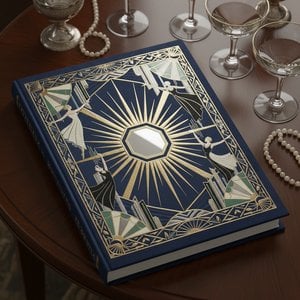
Discover the allure of Art Deco through a curated guide to its most iconic masterpieces. Explore the elegance of Erté and the innovation of Jean Dunand, perfect for collectors seeking timeless glamour and sophisticated design inspiration.

Discover the breathtaking allure of Art Deco. Explore the era's iconic geometry, legendary designers like Erté, and timeless glamour. Perfect for discerning collectors seeking to infuse their spaces with sophisticated modernist elegance and historical prestige.
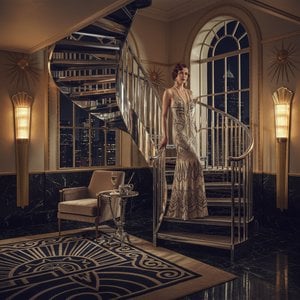
Discover the allure of Art Deco style with our expert guide to luxury interiors. Explore iconic influences from Erté to Jean Dunand and learn to curate a sophisticated space filled with timeless glamour and geometric elegance.


 实景预览
实景预览
 发送
发送 分享
分享
 详情
详情 指南
指南

 下载图片
下载图片
 相似作品
相似作品 X射线
X射线 幻灯片播放
幻灯片播放 统计数据
统计数据 阅读全文
阅读全文









 玻璃选项仅适用于110厘米以下的尺寸。


