
 Acrylic On CanvasWallArtArt Nouveau
 1901Modern
 84.0 x 42.0 cm
博物馆级艺术微喷或帆布版画,制作高效,并提供多种饰面选择。 ( 订购此收藏品的纯手工复刻画作 切换至数字图像销售渠道)





























您可以从与原作比例一致的预设尺寸中进行选择。

请输入您所需的宽度和高度,以适配您的画框或墙面。由于印刷品只能进行裁剪,无法超出原图尺寸,因此若比例不一致,画面的一部分将会被裁切。在正式印刷之前,我们会为您发送一份数字效果图供您确认。本页面显示的图片并非最终裁剪后的效果——只有效果图才能展示真实的裁剪情况。
Judith
复刻品尺寸说明
Gustav Klimt's "Judith," painted in 1901, is more than just a portrait; it’s an arresting tableau of female strength, sensual allure, and the lingering shadows of ancient legend. Measuring a modest 84 x 42 cm, this work immediately commands attention with its lavish use of gold leaf—a signature element of Klimt's “Golden Phase”—and its exquisitely rendered details. The painting depicts Judith, the biblical heroine who famously beheaded Holofernes, not as a triumphant warrior, but as a woman caught in a moment of profound contemplation and unsettling beauty. Klimt’s Vienna was undergoing rapid social and artistic transformation—the rise of Art Nouveau, a rejection of academic traditions, and an exploration of sexuality and the subconscious were all shaping the cultural landscape, and “Judith” perfectly embodies these currents.
Klimt’s technical mastery is evident in every brushstroke. He employed a technique known as *verlastriche*—loose, expressive strokes—that contribute to the painting’s dreamlike quality. The gold leaf isn’t merely decorative; it's integral to the composition, creating an almost luminous effect that seems to emanate from within the canvas. Notice how Klimt utilizes contrasting textures: smooth, polished surfaces for Judith’s dress and face juxtaposed with the more textured fabric of her cloak. This interplay creates a dynamic visual experience, drawing the eye across the painting. The background is deliberately abstract, employing geometric patterns—a hallmark of the Viennese Secession movement—that further enhance the work's sense of mystery and timelessness.
“Judith” transcends a simple retelling of the biblical story. Klimt imbues the scene with potent symbolism. Judith’s expression is ambiguous; she isn’t celebrating her victory, but rather wrestling with its consequences. The severed head of Holofernes, rendered in stark detail and placed prominently before her, serves as a chilling reminder of violence and power. However, it's not presented as a gruesome spectacle. Instead, the head is almost idealized, softened by Klimt’s artistic vision. The gold itself carries significant weight – representing wealth, divinity, and perhaps even Judith’s own internal struggle with temptation and morality. The presence of the two figures in the background—a soldier and a servant—adds another layer to the narrative, suggesting the complexities of political intrigue and the human cost of conquest.
Klimt’s “Judith” is profoundly affecting. It's not a painting that offers easy answers or comforting resolutions. Instead, it invites viewers to contemplate themes of power, beauty, violence, and the psychological burdens of heroism. The woman’s gaze—direct yet veiled—creates an immediate connection with the viewer, prompting introspection about our own perceptions of strength and vulnerability. The work's enduring appeal lies in its ability to capture a complex emotional state – a blend of triumph, regret, and quiet contemplation. It remains a powerful testament to Klimt’s artistic genius and his profound understanding of the human condition. A reproduction captures this essence beautifully, offering a window into a world of opulent beauty and haunting symbolism.
Explore Gustav Klimt’s iconic ‘Judith’! A masterpiece of Art Nouveau, featuring gold leaf & female power. Admire its opulent beauty & timeless symbolism. Perfect for art lovers & collectors.

1862 - 1918 , 奥地利
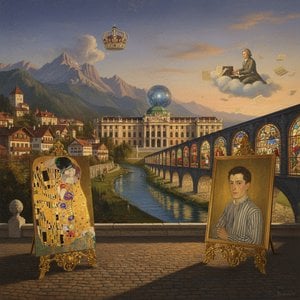
Embark on a sophisticated journey through Austrian art history. Explore the golden brilliance of Gustav Klimt and the elegance of the Vienna Secession through an expert lens, celebrating the enduring soul of Central European masterpieces.

Embark on a visual journey through the world's most radiant masterpieces. Discover how gold leaf, impasto textures, and gilded tones define luxury in fine art, from Byzantine icons to modern abstracts. Explore the eternal allure of gold in curated, museum-quality art collections.
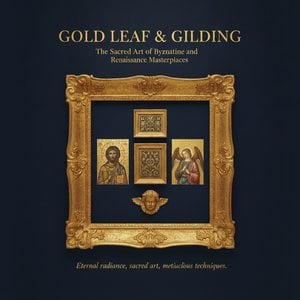
Explore the divine mastery of Byzantine gold leaf and gilding. Discover how ancient artisans used gold ground and mosaics to create celestial light, a timeless legacy of spiritual splendor and technical excellence in sacred art history.

Elevate your hospitality projects with our expert trend forecast on luxury murals. From biophilic botanical jungles to opulent gold leaf geometry, discover how bespoke large-scale wall art and custom frescoes can transform hotel interiors into unforgettable architectural statements.

Explore the profound impact of the Vienna Secession movement. Discover how visionaries like Gustav Klimt revolutionized modern art through symbolism, gold leaf, and bold ornamentation in this deep dive into the aesthetic revolution that redefined the visual landscape of Europe.


 实景预览
实景预览
 发送
发送 分享
分享
 详情
详情 指南
指南

 下载图片
下载图片
 相似作品
相似作品 X射线
X射线 幻灯片播放
幻灯片播放 统计数据
统计数据 阅读全文
阅读全文









 玻璃选项仅适用于110厘米以下的尺寸。


