
由我们的艺术家按需定制,为您提供您所选尺寸及画框的布面手工油画。 ( 切换至版画销售渠道 切换至数字图像销售渠道)





























从与原作比例一致的预设尺寸中进行选择。

您可以输入自定义尺寸,以适配特定的画框或空间。如果所选尺寸与原图比例不符,我们将通过裁剪作品或添加手绘元素来扩展画面。数字样稿将在制作开始前发送给您确认。
请注意,屏幕预览无法准确反映实际的裁剪或扩展效果,只有样稿才能真实呈现最终的构图。
虽然我们提供定制尺寸服务,但为了保留原作比例,建议您从预设列表中选择尺寸。

Hope, The01
复制品尺寸
Gustave Klimt's Hope, The01 (1903) isn’t merely a painting; it’s an immersive experience. Created during a pivotal period of artistic experimentation and personal transformation for the Austrian Symbolist master, this work transcends simple representation to become a profound meditation on pregnancy, vulnerability, and the delicate balance between life and death. The scene unfolds within a richly textured interior space, dominated by the central figure of a woman in a state of expectant anticipation – her large belly a clear symbol of burgeoning motherhood. Yet, Klimt doesn’t offer a straightforward depiction of joy or fulfillment; instead, he layers the image with unsettling elements, creating an atmosphere of both profound beauty and subtle dread.
The composition is deliberately ambiguous. The woman, adorned in a flowing red gown and encircled by a halo of forget-me-not flowers, holds another woman close, suggesting a nurturing role yet also hinting at the complexities of familial relationships. Alongside them stand figures clad in formal attire – ties and jackets – representing the societal constraints and expectations that often accompany new life. However, it’s the background that truly captivates and unnerves. Here, Klimt introduces a series of spectral forms: decaying faces, skeletal hands reaching out, and a menacing sea monster lurking in the shadows. These figures aren't merely decorative; they represent the anxieties surrounding mortality, disease, and the potential for loss inherent in pregnancy and childbirth – a stark contrast to the idealized vision often associated with motherhood.
Klimt’s genius lies in his masterful deployment of symbolism. The painting is deeply rooted in the Symbolist movement, which sought to express emotions and ideas through evocative imagery rather than literal representation. The prominent use of gold leaf, a signature element of Klimt's “Golden Phase,” imbues the scene with an aura of opulence and spiritual significance. This lavish application of gold isn’t simply decorative; it represents fertility, abundance, and the divine feminine – qualities inextricably linked to pregnancy and new beginnings. The sea monster, frequently interpreted as a symbol of chaos and destruction, could also be seen as representing the anxieties surrounding childbirth itself, the potential for pain and uncertainty.
Furthermore, the figures in the background are often viewed as personifications of various aspects of death – disease, old age, madness. Klimt deliberately juxtaposes these morbid symbols with the vibrant life force embodied by the pregnant woman, creating a powerful tension that underscores the precariousness of existence. The skull above her head serves as a potent memento mori, reminding us of our own mortality and the fleeting nature of time.
Hope, The01 is inextricably linked to the broader artistic currents of its time, particularly Art Nouveau. Klimt’s use of flowing lines, organic forms, and decorative patterns—evident in the swirling fabrics and intricate details—echoes the aesthetic principles of this influential movement. However, Klimt transcends mere imitation; he infuses these elements with his own distinctive vision, creating a highly personal and emotionally charged style. His exploration of the female form, particularly its vulnerability and sensuality, was groundbreaking for the era, challenging conventional representations of women in art.
The painting’s influence extends beyond the realm of fine art. Klimt's bold use of color, texture, and symbolism paved the way for future generations of artists and designers. Today, Hope, The01 continues to resonate with audiences worldwide, serving as a poignant reminder of the complexities of human experience – the beauty and fragility of life, the inevitability of death, and the enduring power of hope in the face of adversity.


1862 - 1918 , 奥地利

Discover the exquisite world of Art Nouveau. Explore the elegant fusion of nature and design through architectural masterpieces, organic forms, and the legendary masters of the Belle Époque. Immerse yourself in a journey of timeless sophistication and ornamental beauty.

Explore the profound impact of the Vienna Secession movement. Discover how visionaries like Gustav Klimt revolutionized modern art through symbolism, gold leaf, and bold ornamentation in this deep dive into the aesthetic revolution that redefined the visual landscape of Europe.

Explore the imperial grandeur of Vienna through art history. Discover the architectural mastery of Otto Wagner and the elegance of the Secessionist movement in this sophisticated guide to Austria's timeless aesthetic legacy.
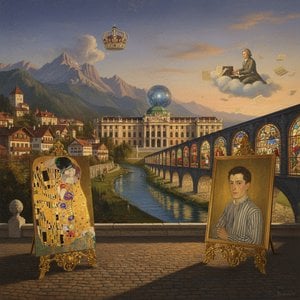
Embark on a sophisticated journey through Austrian art history. Explore the golden brilliance of Gustav Klimt and the elegance of the Vienna Secession through an expert lens, celebrating the enduring soul of Central European masterpieces.

Embark on a sophisticated journey through the splendor of Austrian art. From Gustav Klimt’s golden masterpieces to the elegance of the Viennese Secession, discover the history and symbolism behind Europe's most iconic works for the discerning collector.


 效果预览
效果预览
 分享
分享 分享
分享
 详情
详情

 下载
下载
 相似作品
相似作品 X射线
X射线 幻灯片播放
幻灯片播放 统计数据
统计数据

 展开详情
展开详情









 玻璃选项仅适用于110厘米以下的尺寸。


