
由我们的艺术家按需定制,为您提供您所选尺寸及画框的布面手工油画。 ( 切换至版画销售渠道 切换至数字图像销售渠道)





























从与原作比例一致的预设尺寸中进行选择。

您可以输入自定义尺寸,以适配特定的画框或空间。如果所选尺寸与原图比例不符,我们将通过裁剪作品或添加手绘元素来扩展画面。数字样稿将在制作开始前发送给您确认。
请注意,屏幕预览无法准确反映实际的裁剪或扩展效果,只有样稿才能真实呈现最终的构图。
虽然我们提供定制尺寸服务,但为了保留原作比例,建议您从预设列表中选择尺寸。

Hope I
复制品尺寸
Gustav Klimt's “Hope I,” painted in 1903, isn’t merely a depiction of a pregnant woman; it’s an immersive experience, a potent distillation of anxieties, desires, and the cyclical nature of life itself. This oil painting, now residing within the National Gallery of Canada, stands as a cornerstone of Klimt's mature style – a period characterized by opulent decoration, intricate patterns, and a daring exploration of the human psyche. It’s a work that simultaneously draws you in with its beauty and unsettles you with its underlying currents of mortality and uncertainty.
Klimt, a pivotal figure in Vienna Secession, rejected the rigid constraints of academic art, forging his own path toward a more expressive and emotionally charged aesthetic. His background, steeped in his father’s gold engraving – a profession that instilled within him an appreciation for texture, light, and the transformative power of precious materials – profoundly shaped his artistic vision. This influence is immediately apparent in “Hope I,” where Klimt masterfully employs gold leaf to create a shimmering, almost ethereal atmosphere, elevating the subject matter beyond simple representation.
“Hope I” is undeniably a product of Art Nouveau – a movement that sought to liberate art from its historical shackles and embrace the organic forms of nature. The sinuous curves, flowing lines, and decorative elements are hallmarks of this style, evident in the woman’s draped garments and the swirling background figures. However, Klimt doesn't simply mimic Art Nouveau; he subverts it, injecting a layer of psychological complexity rarely found within the movement’s more overtly celebratory works. The painting’s composition is deliberately unsettling, creating a visual tension between beauty and decay.
The central figure, a pregnant woman bathed in golden light, dominates the canvas. Her direct gaze engages the viewer immediately, conveying both vulnerability and strength. Her nudity isn't presented as overtly erotic; rather, it’s imbued with a sense of profound dignity and resilience. The surrounding figures – a skeletal man, sickly individuals, and a monstrous sea creature – represent the forces of death, disease, and madness that threaten to extinguish hope. This juxtaposition creates a powerful allegory for the precariousness of existence and the constant struggle against mortality.
The symbolism within “Hope I” is layered and deliberately ambiguous. The pregnant woman, despite being surrounded by symbols of decay, embodies hope itself – a promise of new life amidst the encroaching darkness. The skull above her head serves as a stark reminder of mortality, while the sea monster represents primal fears and anxieties. The forget-me-not flowers adorning her hair are traditionally associated with remembrance and loyalty, suggesting a connection to the past and a yearning for continuity.
Interestingly, Klimt’s personal life may have informed this work. The artist's son, Otto Zimmermann, tragically died in infancy, casting a shadow over his creative output. Some art historians believe that “Hope I” reflects this loss – a poignant meditation on the fragility of life and the enduring power of hope in the face of grief. The sketch for the painting originally featured a male figure comforting the pregnant woman; however, Klimt ultimately replaced him with the skull, suggesting a shift towards themes of mortality and decay.
Experience the captivating beauty and profound symbolism of Gustav Klimt’s “Hope I” through a meticulously crafted reproduction from WahooArt.com. Our skilled artists utilize high-quality materials to faithfully recreate every detail of this iconic masterpiece, ensuring that you own a stunning work of art that captures the essence of Klimt's genius. Bring the drama and emotional depth of "Hope I" into your home or office – a testament to the enduring power of art.


1862 - 1918 , 奥地利
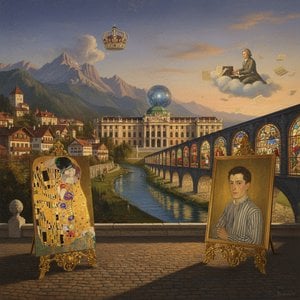
Embark on a sophisticated journey through Austrian art history. Explore the golden brilliance of Gustav Klimt and the elegance of the Vienna Secession through an expert lens, celebrating the enduring soul of Central European masterpieces.

Explore the imperial grandeur of Vienna through art history. Discover the architectural mastery of Otto Wagner and the elegance of the Secessionist movement in this sophisticated guide to Austria's timeless aesthetic legacy.

Explore the profound impact of the Vienna Secession movement. Discover how visionaries like Gustav Klimt revolutionized modern art through symbolism, gold leaf, and bold ornamentation in this deep dive into the aesthetic revolution that redefined the visual landscape of Europe.

Embark on a sophisticated journey through the splendor of Austrian art. From Gustav Klimt’s golden masterpieces to the elegance of the Viennese Secession, discover the history and symbolism behind Europe's most iconic works for the discerning collector.

Discover the exquisite world of Art Nouveau. Explore the elegant fusion of nature and design through architectural masterpieces, organic forms, and the legendary masters of the Belle Époque. Immerse yourself in a journey of timeless sophistication and ornamental beauty.


 效果预览
效果预览
 分享
分享 分享
分享
 详情
详情

 下载
下载
 相似作品
相似作品 X射线
X射线 幻灯片播放
幻灯片播放 统计数据
统计数据

 展开详情
展开详情









 玻璃选项仅适用于110厘米以下的尺寸。


