
 布面丙烯墙面艺术品Art Nouveau
 1916
1916 168.0 x 130.0 cm
由我们的艺术家按需定制,为您提供您所选尺寸及画框的布面手工油画。 ( 切换至版画销售渠道 切换至数字图像销售渠道)





























您可以从与原作比例一致的预设尺寸中进行选择。

您可以输入自定义尺寸,以适配特定的画框或空间。如果所选尺寸与原图比例不符,我们将通过裁剪作品或添加手绘元素来扩展画面。数字样稿将在制作开始前发送给您确认。
请注意,屏幕预览无法准确反映实际的裁剪或扩展效果,只有样稿才能真实呈现最终的构图。
虽然我们提供定制尺寸服务,但为了保留原作比例,建议您从预设列表中选择尺寸。

Fredericke Maria Beer
复刻品尺寸说明
Klimt’s stylistic influences are palpable throughout Fredericke Maria Beer. Drawing heavily from the Art Nouveau movement—characterized by flowing lines, organic forms, and opulent ornamentation—Klimt skillfully blends these aesthetic principles with a meticulous realism. The intricate patterns adorning Fredericke’s dress and background are not merely decorative; they serve as conduits for conveying mood and emotion, mirroring Klimt's broader exploration of themes like femininity, desire, and spirituality.
The composition itself is deliberately understated yet powerfully suggestive. Fredericke Maria Beer occupies a serene landscape—a deliberate choice that contrasts with the dynamism of Klimt’s other works, emphasizing her stillness and contemplative gaze. Surrounding her are figures engaged in activities – a man holding an umbrella, another wielding a bow and arrow – creating a tableau vivant that speaks to broader societal concerns of the time. Notably, Klimt incorporates symbolic elements: the umbrella represents protection and resilience; the bow and arrow symbolize strength and determination; and a bird—a recurring motif in Klimt’s oeuvre—represents freedom and aspiration.
Klimt's mastery of oil paint is evident in the rich textures and luminous colors that imbue Fredericke Maria Beer with an unparalleled sense of depth and vibrancy. He achieves this remarkable feat through layering techniques—building up translucent glazes to create subtle gradations of tone and color—resulting in a surface that appears to shimmer with reflected light. This meticulous attention to detail underscores Klimt’s commitment to capturing not just the visual appearance but also the psychological state of his subject.
Beyond its aesthetic beauty, Fredericke Maria Beer holds a significant place in art history as one of Klimt’s most celebrated portraits—a masterpiece that exemplifies his ability to fuse artistic innovation with profound emotional expression. Its enduring appeal lies in its capacity to provoke contemplation about identity, femininity, and the complexities of human relationships.
The painting resides within the Hofmuseum Vienna, Austria, a repository of imperial treasures and artifacts dedicated to preserving Austrian cultural heritage. Visiting this museum offers an invaluable opportunity to immerse oneself in the artistic legacy of Klimt and experience firsthand the grandeur of Viennese Habsburg art.


1862 - 1918 , 奥地利

Embark on a sophisticated journey through the splendor of Austrian art. From Gustav Klimt’s golden masterpieces to the elegance of the Viennese Secession, discover the history and symbolism behind Europe's most iconic works for the discerning collector.

Explore the profound impact of the Vienna Secession movement. Discover how visionaries like Gustav Klimt revolutionized modern art through symbolism, gold leaf, and bold ornamentation in this deep dive into the aesthetic revolution that redefined the visual landscape of Europe.
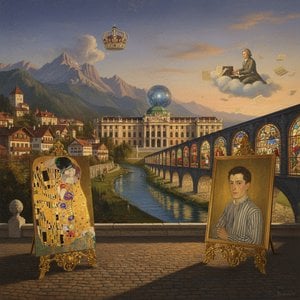
Embark on a sophisticated journey through Austrian art history. Explore the golden brilliance of Gustav Klimt and the elegance of the Vienna Secession through an expert lens, celebrating the enduring soul of Central European masterpieces.

Discover the exquisite world of Art Nouveau. Explore the elegant fusion of nature and design through architectural masterpieces, organic forms, and the legendary masters of the Belle Époque. Immerse yourself in a journey of timeless sophistication and ornamental beauty.


 实景预览
实景预览
 发送
发送 分享
分享
 详情
详情 指南
指南

 下载图片
下载图片
 相似作品
相似作品 X射线
X射线 幻灯片播放
幻灯片播放 统计数据
统计数据 阅读全文
阅读全文









 玻璃选项仅适用于110厘米以下的尺寸。


