
博物馆级艺术微喷或帆布版画,制作高效,并提供多种饰面选择。 ( 购买手绘画作 切换至数字图像销售渠道)





























从与原作比例一致的预设尺寸中进行选择。

您可以输入自定义尺寸,以适配特定的画框或空间。如果您选择的尺寸与原图比例不符,我们将对作品进行裁剪,或通过镜像填充/纯色填充边缘的方式来扩展图像。在开始制作之前,我们会向您发送一份数字效果图供您确认。
请注意,屏幕上的预览并不能反映实际的裁剪或扩展效果。只有效果图才能准确展示最终的构图。
虽然我们提供定制尺寸,但为了保持原图比例,我们建议您从预设列表中选择尺寸。

Exlibris for the Secession in Vienna
复制品尺寸
Gustav Klimt's 1900 lithograph, *Exlibris for the Secession in Vienna*, is far more than a simple design; it’s a potent distillation of the artistic and philosophical currents swirling through fin-de-siècle Vienna. Born from the heart of the Secession movement – a revolutionary group challenging academic art traditions – this small yet remarkably complex image encapsulates the era's fascination with symbolism, duality, and the very nature of artistic expression. The work’s genesis lies within the burgeoning spirit of innovation that gripped the city at the turn of the century, a period marked by both exhilarating progress and underlying anxieties about societal change.
The central figure – a woman's head adorned with a magnificent crown crafted from intricate dots – immediately commands attention. This isn’t merely a portrait; it’s an embodiment of the Secession’s core ideals. The crown, composed entirely of small circles, represents both the ‘refusal’ and ‘bonding’ that were central to the movement's manifesto. Klimt deliberately rejected traditional notions of beauty and representation, opting instead for a fragmented, almost geometric approach. This deliberate disruption mirrored the Secession’s rejection of established artistic conventions – its insistence on individual expression and a new visual language.
Klimt's masterful use of lithography is crucial to understanding the work’s impact. Lithographs, particularly those produced in multiple colors, offered artists unprecedented control over tonal variations and textures. Here, Klimt expertly manipulates shades of red and white, creating a dynamic interplay between light and shadow that imbues the image with a sense of depth and mystery. The gold leaf, characteristic of Klimt’s mature style – though not directly present in this lithograph reproduction – would have been layered over the final print, adding an opulent sheen and further emphasizing the work's symbolic richness. The technique itself speaks to the movement’s desire to elevate art beyond mere decoration, suggesting a connection to precious materials and a celebration of craftsmanship.
Beyond the immediate visual elements, the text inscribed within the image – “Das Vergnügen der Verweigerung und der Bindung der Kunst und der Natur” (The Pleasure of Refusal and the Bonding of Art and Nature) – provides vital context. This phrase encapsulates the Secession’s philosophy: a simultaneous embrace of artistic freedom through rejection of established norms, and a commitment to uniting art with the natural world. The woman's head can be interpreted as representing both the creative spirit (the ‘refusal’) and the grounding force of nature (the ‘bonding’). It’s a complex meditation on the relationship between creation, limitation, and ultimately, fulfillment.
The *Exlibris* is deeply rooted in the broader symbolism prevalent during the Vienna Secession. The figure of the woman, often associated with Pallas Athena – the Greek goddess of wisdom and strategic warfare – represents intellectual prowess and artistic defense. The geometric patterns surrounding her head are not merely decorative; they’re a visual shorthand for the movement's core principles: order, structure, and a deliberate rejection of naturalistic representation. The Secession sought to create an art that was both aesthetically pleasing and intellectually stimulating, reflecting the era’s fascination with psychology, philosophy, and the subconscious.
Furthermore, this image served as a powerful visual statement for the Secession's own identity. As the first ex libris (a bookplate) designed by the group, it acted as a miniature emblem of their artistic vision – a bold declaration of independence from the conservative art establishment. It’s a testament to Klimt’s role as a leading figure within the movement and his ability to translate complex philosophical ideas into compelling visual form. Reproductions of this work continue to resonate today, offering a glimpse into a pivotal moment in art history and the enduring power of symbolic imagery.
WahooArt offers meticulously crafted hand-painted reproductions of *Exlibris for the Secession in Vienna*, allowing you to bring this iconic artwork into your home or office. Our skilled artists replicate Klimt’s intricate details and masterful use of color with exceptional precision, ensuring that your reproduction captures the essence of the original while retaining a vibrant, contemporary appeal. Whether you're an art enthusiast, a collector, or simply seeking a unique piece to elevate your interior design, this stunning reproduction is sure to be a conversation starter and a cherished addition to your collection.


1862 - 1918 , 奥地利
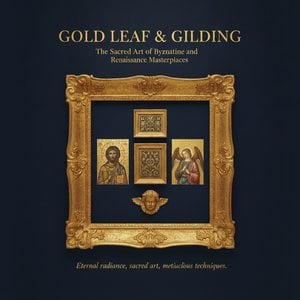
Explore the divine mastery of Byzantine gold leaf and gilding. Discover how ancient artisans used gold ground and mosaics to create celestial light, a timeless legacy of spiritual splendor and technical excellence in sacred art history.

Embark on a sophisticated journey through the splendor of Austrian art. From Gustav Klimt’s golden masterpieces to the elegance of the Viennese Secession, discover the history and symbolism behind Europe's most iconic works for the discerning collector.
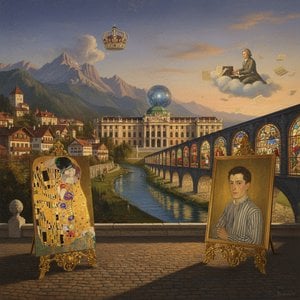
Embark on a sophisticated journey through Austrian art history. Explore the golden brilliance of Gustav Klimt and the elegance of the Vienna Secession through an expert lens, celebrating the enduring soul of Central European masterpieces.

Embark on a visual journey through the world's most radiant masterpieces. Discover how gold leaf, impasto textures, and gilded tones define luxury in fine art, from Byzantine icons to modern abstracts. Explore the eternal allure of gold in curated, museum-quality art collections.

Explore the profound impact of the Vienna Secession movement. Discover how visionaries like Gustav Klimt revolutionized modern art through symbolism, gold leaf, and bold ornamentation in this deep dive into the aesthetic revolution that redefined the visual landscape of Europe.


 效果预览
效果预览
 分享
分享 分享
分享
 详情
详情

 下载
下载
 相似作品
相似作品 X射线
X射线 幻灯片播放
幻灯片播放 统计数据
统计数据

 展开详情
展开详情









 玻璃选项仅适用于110厘米以下的尺寸。


