
由我们的艺术家按需定制,为您提供您所选尺寸及画框的布面手工油画。 ( 切换至版画销售渠道 切换至数字图像销售渠道)





























您可以从与原作比例一致的预设尺寸中进行选择。

您可以输入自定义尺寸,以适配特定的画框或空间。如果所选尺寸与原图比例不符,我们将通过裁剪作品或添加手绘元素来扩展画面。数字样稿将在制作开始前发送给您确认。
请注意,屏幕预览无法准确反映实际的裁剪或扩展效果,只有样稿才能真实呈现最终的构图。
虽然我们提供定制尺寸服务,但为了保留原作比例,建议您从预设列表中选择尺寸。

Bride, The(unfinished)
复刻品尺寸说明
Gustav Klimt's The Bride (Unfinished), created between 1917 and 1918, stands as a poignant testament to the artist’s final creative period. Left incomplete at his death, this large-scale artwork offers a captivating glimpse into Klimt's evolving style and allegorical explorations. It is more than just an unfinished painting; it's a window into the mind of one of Austria's most celebrated artists.
The composition of The Bride (Unfinished) is complex and intriguing, featuring multiple women in various poses. The central figure, a woman reclining with her head turned away from the viewer, exudes an air of mystery and introspection. She is surrounded by other women—some standing, others seated—creating a layered arrangement that draws the eye deeper into the scene. Objects like a clock on the wall and a vase near one of the figures add to the painting's depth and symbolic richness. Two bowls positioned within the composition further enhance its complexity, suggesting themes of abundance and perhaps even cyclical life.
The symbolism embedded within the artwork remains open to interpretation, characteristic of Klimt’s style. The reclining bride could represent fertility, marriage, or a transition into womanhood. The surrounding figures might symbolize aspects of her inner world—desires, memories, or societal expectations. The clock hints at the passage of time and the fleeting nature of existence, while the vase may allude to creativity and inspiration.
Klimt’s artistic style was a unique blend of Symbolism and Art Nouveau, characterized by its decorative richness and psychological depth. He drew inspiration from various sources, including ancient Egyptian and Byzantine art, evident in the stylized figures and intricate patterns. His use of gold leaf, a signature element of his "Golden Phase," adds a luminous quality to the painting, enhancing its otherworldly atmosphere.
The Bride (Unfinished) showcases Klimt’s evolving style towards Expressionism. While retaining his characteristic decorative elements, the composition feels more densely packed and emotionally charged than some of his earlier works. The unfinished state allows us to see the artist's process—the underdrawing, the layering of paint—providing a rare glimpse into his creative method.
Created during the early 20th century, a period marked by significant shifts in artistic styles, The Bride (Unfinished) reflects this changing landscape. The rise of modern movements like Fauvism, Cubism, and Surrealism challenged traditional approaches to art, and Klimt’s work, while rooted in established techniques, demonstrates an innovative spirit that paved the way for future generations of artists.
Klimt's position within the Vienna Secession movement further contextualizes this artwork. The Secession aimed to break away from conservative artistic traditions and embrace new forms of expression, making Klimt’s exploration of symbolism and sensuality particularly relevant to his time.


1862 - 1918 , 奥地利

Explore the profound impact of the Vienna Secession movement. Discover how visionaries like Gustav Klimt revolutionized modern art through symbolism, gold leaf, and bold ornamentation in this deep dive into the aesthetic revolution that redefined the visual landscape of Europe.
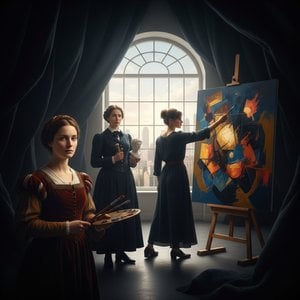
Explore the profound legacy of female masters in art history. From Baroque brilliance to modern resilience, discover rediscovered virtuosos through WahooArt’s premium, museum-quality oil reproductions and expert art consultations for discerning collectors.

Discover the enchanting world of Art Nouveau. Explore the flowing lines of Alphonse Mucha and learn how to integrate these timeless, organic masterpieces into your collection with expert guidance on fine art appreciation and preservation.

Explore the profound resurgence of female masters Artemisia Gentileschi and Berthe Morisot. Discover how their revolutionary use of light, shadow, and intimacy redefined art history and continues to inspire sophisticated modern collections.

Discover the exquisite world of Art Nouveau. Explore the elegant fusion of nature and design through architectural masterpieces, organic forms, and the legendary masters of the Belle Époque. Immerse yourself in a journey of timeless sophistication and ornamental beauty.


 实景预览
实景预览
 发送
发送 分享
分享
 详情
详情 指南
指南

 下载图片
下载图片
 相似作品
相似作品 X射线
X射线 幻灯片播放
幻灯片播放 统计数据
统计数据

 阅读全文
阅读全文









 玻璃选项仅适用于110厘米以下的尺寸。


