
 Acrylic On CanvasWallArtArt Nouveau
 1901
1901 215.0 x 516.0 cm
 维也纳分离派展览馆
博物馆级艺术微喷或帆布版画,制作高效,并提供多种饰面选择。 ( 购买手绘画作 切换至数字图像销售渠道)





























从与原作比例一致的预设尺寸中进行选择。

您可以输入自定义尺寸,以适配特定的画框或空间。如果您选择的尺寸与原图比例不符,我们将对作品进行裁剪,或通过镜像填充/纯色填充边缘的方式来扩展图像。在开始制作之前,我们会向您发送一份数字效果图供您确认。
请注意,屏幕上的预览并不能反映实际的裁剪或扩展效果。只有效果图才能准确展示最终的构图。
虽然我们提供定制尺寸,但为了保持原图比例,我们建议您从预设列表中选择尺寸。

Beethoven Frieze:
复制品尺寸
Gustav Klimt's 1901 masterpiece, *Beethoven Frieze*, is not merely a depiction of musicians; it’s an immersive experience, a shimmering portal into the heart of artistic creation and the profound connection between art, music, and human emotion. Painted during a pivotal period in Klimt’s career – a time when he was increasingly experimenting with decorative elements and exploring themes of sexuality and spirituality – this work stands as a testament to his evolving style and his fascination with the power of symbolism.
The painting immediately captivates with its lavish use of gold leaf, a technique deeply rooted in Klimt’s family history through his father's profession as a gold engraver. This opulent material isn’t simply decorative; it represents wealth, divinity, and the enduring legacy of artistic genius. The shimmering surface reflects light in a way that draws the viewer into the scene, creating an almost hypnotic effect. Klimt masterfully employs this technique alongside his signature geometric patterns – stylized floral motifs, intricate spirals, and rectangular blocks – to construct a visually arresting composition.
At the center of the frieze sits a woman, her face partially obscured by a veil, radiating an aura of serene contemplation. She is often interpreted as representing Beethoven himself, or perhaps the muse who inspires his music. Around her swirl other figures – men and women engaged in various activities: playing instruments, listening intently, and gesturing with passionate expression. These aren’t static portraits; they are dynamic representations of a creative process unfolding. Klimt deliberately avoids sharp outlines and precise details, opting instead for flowing lines and ambiguous forms that suggest movement and emotional intensity.
Notice how Klimt uses color to differentiate these figures. The woman in the center is bathed in a warm, golden light, while others are rendered in cooler tones, suggesting varying levels of engagement and emotional intensity within the scene.
*Beethoven Frieze* emerged from a broader artistic landscape marked by Symbolism and Art Nouveau. Klimt was deeply influenced by Byzantine mosaics – particularly their use of gold and tesserae – as well as the decorative arts prevalent in Vienna at the time. The frieze’s format, resembling a classical architectural element (a triumphal arch), further connects it to historical precedent while simultaneously pushing boundaries with its modern aesthetic.
The painting was created during a period of significant social and cultural change in Austria. The rise of psychoanalysis, spearheaded by Sigmund Freud, was influencing artistic thought, prompting artists to explore the subconscious mind and delve into themes of sexuality and spirituality. Klimt’s work reflects this shift, subtly hinting at hidden desires and unspoken emotions beneath the surface of the depicted scene.
*Beethoven Frieze* is more than just a painting; it's an invitation to contemplate the nature of art, music, and human experience. Klimt’s masterful use of gold leaf, his innovative composition, and his exploration of symbolic imagery combine to create a work that continues to resonate with viewers today. It speaks to the enduring power of creativity, the beauty of artistic expression, and the profound connection between the artist's soul and the world around them.
WahooArt offers exquisite, hand-painted reproductions of *Beethoven Frieze*, allowing you to bring this iconic masterpiece into your home or office. Each reproduction is meticulously crafted by skilled artists using archival quality materials, ensuring that you receive a faithful representation of Klimt’s original vision – a shimmering testament to the enduring legacy of art and music.


1862 - 1918 , 奥地利

Embark on a visual journey through the world's most radiant masterpieces. Discover how gold leaf, impasto textures, and gilded tones define luxury in fine art, from Byzantine icons to modern abstracts. Explore the eternal allure of gold in curated, museum-quality art collections.

Discover the breathtaking allure of Art Deco. Explore the era's iconic geometry, legendary designers like Erté, and timeless glamour. Perfect for discerning collectors seeking to infuse their spaces with sophisticated modernist elegance and historical prestige.
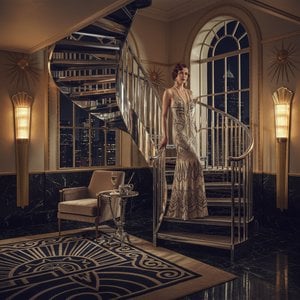
Discover the allure of Art Deco style with our expert guide to luxury interiors. Explore iconic influences from Erté to Jean Dunand and learn to curate a sophisticated space filled with timeless glamour and geometric elegance.
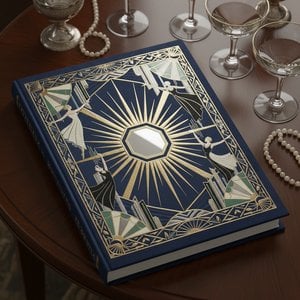
Discover the allure of Art Deco through a curated guide to its most iconic masterpieces. Explore the elegance of Erté and the innovation of Jean Dunand, perfect for collectors seeking timeless glamour and sophisticated design inspiration.

Explore the profound impact of the Vienna Secession movement. Discover how visionaries like Gustav Klimt revolutionized modern art through symbolism, gold leaf, and bold ornamentation in this deep dive into the aesthetic revolution that redefined the visual landscape of Europe.


 效果预览
效果预览
 分享
分享 分享
分享
 详情
详情 指南
指南

 下载
下载
 相似作品
相似作品 X射线
X射线 幻灯片播放
幻灯片播放 统计数据
统计数据 展开详情
展开详情









 玻璃选项仅适用于110厘米以下的尺寸。


