
 Acrylic On CanvasWallArtArt Nouveau
 1901
1901 215.0 x 300.0 cm
 维也纳分离派展览馆
博物馆级艺术微喷或帆布版画,制作高效,并提供多种饰面选择。 ( 购买手绘画作 切换至数字图像销售渠道)





























从与原作比例一致的预设尺寸中进行选择。

您可以输入自定义尺寸,以适配特定的画框或空间。如果您选择的尺寸与原图比例不符,我们将对作品进行裁剪,或通过镜像填充/纯色填充边缘的方式来扩展图像。在开始制作之前,我们会向您发送一份数字效果图供您确认。
请注意,屏幕上的预览并不能反映实际的裁剪或扩展效果。只有效果图才能准确展示最终的构图。
虽然我们提供定制尺寸,但为了保持原图比例,我们建议您从预设列表中选择尺寸。

Beethoven Frieze:
复制品尺寸
Gustav Klimt’s “Beethoven Frieze,” completed in 1901, stands as a monumental testament to the Austrian Symbolist movement's fascination with mythology and psychological depth. More than just a depiction of musical genius—though Beethoven undeniably serves as an inspirational focal point—the frieze embodies Klimt’s masterful manipulation of gold leaf and intricate ornamentation, transforming it into an immersive experience for the viewer.
Historical Context: Created during Klimt’s prolific period of artistic experimentation, “Beethoven Frieze” reflects the broader Symbolist preoccupation with exploring inner states and confronting existential anxieties. The frieze draws inspiration from Nietzschean philosophy—specifically Nietzsche's concept of Dionysian ecstasy—seeking to capture the transformative power of art and its ability to transcend rational thought. Klimt’s work aligns with a wider artistic dialogue concerning spirituality, mythology, and the role of the artist in shaping human consciousness.
Symbolism: The woman represents feminine receptivity and nurturing, while the man embodies intellect and contemplation. Their intertwined figures symbolize the harmonious union between mind and body—a cornerstone of Symbolist ideals. The gold leaf itself symbolizes divinity and spiritual illumination, elevating the artwork beyond mere visual pleasure into a profound meditation on human experience. Furthermore, Klimt’s use of geometric patterns – spirals and squares – speaks to opposing forces: order versus chaos, masculine versus feminine, representing the duality inherent in human existence.
Emotional Impact: “Beethoven Frieze” evokes a palpable sense of serenity and introspection. The shimmering gold leaf captivates the eye, inviting viewers into a realm of ethereal beauty. Yet, beneath the surface splendor lies an underlying current of melancholy—a recognition of mortality and the elusive nature of truth. Klimt’s masterpiece compels us to confront profound questions about life, art, and the human condition, leaving an indelible mark on anyone who encounters its mesmerizing allure.


1862 - 1918 , 奥地利
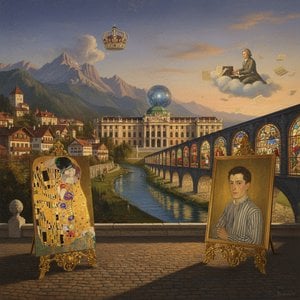
Embark on a sophisticated journey through Austrian art history. Explore the golden brilliance of Gustav Klimt and the elegance of the Vienna Secession through an expert lens, celebrating the enduring soul of Central European masterpieces.

Embark on a sophisticated journey through the splendor of Austrian art. From Gustav Klimt’s golden masterpieces to the elegance of the Viennese Secession, discover the history and symbolism behind Europe's most iconic works for the discerning collector.

Elevate your hospitality projects with our expert trend forecast on luxury murals. From biophilic botanical jungles to opulent gold leaf geometry, discover how bespoke large-scale wall art and custom frescoes can transform hotel interiors into unforgettable architectural statements.

Explore the profound impact of the Vienna Secession movement. Discover how visionaries like Gustav Klimt revolutionized modern art through symbolism, gold leaf, and bold ornamentation in this deep dive into the aesthetic revolution that redefined the visual landscape of Europe.

Embark on a visual journey through the world's most radiant masterpieces. Discover how gold leaf, impasto textures, and gilded tones define luxury in fine art, from Byzantine icons to modern abstracts. Explore the eternal allure of gold in curated, museum-quality art collections.


 效果预览
效果预览
 分享
分享 分享
分享
 详情
详情

 下载
下载
 相似作品
相似作品 X射线
X射线 幻灯片播放
幻灯片播放 统计数据
统计数据 展开详情
展开详情









 玻璃选项仅适用于110厘米以下的尺寸。


