
博物馆级艺术微喷或帆布版画,制作高效,并提供多种饰面选择。 ( 购买手绘画作 切换至数字图像销售渠道)
从与原作比例一致的预设尺寸中进行选择。

您可以输入自定义尺寸,以适配特定的画框或空间。如果您选择的尺寸与原图比例不符,我们将对作品进行裁剪,或通过镜像填充/纯色填充边缘的方式来扩展图像。在开始制作之前,我们会向您发送一份数字效果图供您确认。
请注意,屏幕上的预览并不能反映实际的裁剪或扩展效果。只有效果图才能准确展示最终的构图。
虽然我们提供定制尺寸,但为了保持原图比例,我们建议您从预设列表中选择尺寸。

Statue der Venus
复制品尺寸
Within the opulent halls of Potsdam’s Bildergalerie, nestled amongst a constellation of classical sculptures commissioned by Frederick II of Prussia, stands a singular work – the Statue of Venus. More than merely a representation of the Roman goddess, this sculpture embodies an exquisite synthesis of artistic skill, historical reference, and profound symbolism, offering a captivating glimpse into the Enlightenment era’s fascination with beauty and mythology.
The story of Venus begins not in Rome itself, but in Lyon, France, where Guillaume Coustou the Elder (1677-1746), a master sculptor deeply rooted in the traditions of his family’s artistic legacy, meticulously brought this iconic figure to life. Coustou, a man who initially rejected the rigid constraints of the Roman Academy, forged his own path, ultimately returning to Paris and securing a place amongst the most celebrated sculptors of his time. Commissioned by Frederick II in 1755, the statue was a deliberate addition to a broader program designed to showcase the gallery’s collection as a testament to artistic knowledge and the enduring power of classical ideals. The sculpture's completion in 1771 marked a significant moment, finally uniting all four commissioned statues within Potsdam’s grand setting.
Coustou’s Venus is not a depiction of overt sensuality; rather, it presents an image of serene beauty and contemplative grace. The statue portrays the goddess standing with her arms outstretched, delicately holding a cloth – a subtle nod to the act of unveiling or revealing. Her pose, reminiscent of depictions in classical Greek sculpture, particularly the famed *Venus Pudica* type (the “modest Venus”), is both dynamic and poised. The drapery, meticulously carved with an understanding of light and shadow, clings to her form, emphasizing the curves of her body while simultaneously concealing much of it. The marble itself, sourced from Parian Island, possesses a luminous quality that enhances the statue’s ethereal presence. Close examination reveals the artist's mastery—the subtle variations in texture, the delicate folds of fabric, and the lifelike expression captured in her face all speak to Coustou’s exceptional skill.
The choice of Venus as a subject within Frederick II's Bildergalerie was no accident. Venus represents not only beauty but also love, fertility, and the very essence of artistic inspiration. The statue’s placement within this context underscores the Prussian monarchy’s belief in art as a means of cultivating knowledge, refining taste, and elevating society. Furthermore, the sculpture directly references the famous myth of Paris and Aphrodite – Venus's Roman name – where she receives the golden apple of discord from Paris, symbolizing her victory in the beauty contest that sparked the Trojan War. This narrative element imbues the statue with layers of historical and mythological significance, reminding viewers of the enduring power of love and its potential to inspire both creation and conflict.
Today, reproductions of this captivating sculpture continue to grace interiors worldwide, offering a timeless reminder of the pursuit of beauty, artistic excellence, and the profound influence of classical mythology. Its elegant form and evocative symbolism make it a cherished addition to any collection or space seeking an air of refined sophistication.


1716 - 1777 , 法国

Explore the rich history of sculpture from ancient masterpieces to contemporary innovations. Discover key techniques, influential artists & investment potential for discerning art collectors.
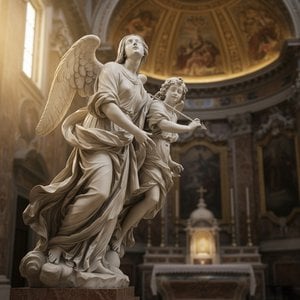
Explore the life & revolutionary art of Gian Lorenzo Bernini, the master sculptor of the Baroque era. Discover his iconic works like David and Ecstasy of Saint Teresa – a journey into Roman artistic genius.

Journey through art history with our Top 10 bronze sculptures! Explore masterpieces by Rodin, Michelangelo & more. Discover stories behind iconic statues and find museum-quality reproductions for your home decor at WahooArt.com.

Explore the rich history of sculpture with WahooArt. Discover key techniques, influential artists & investment potential for discerning collectors. Expert insights into valuing and collecting timeless masterpieces.

Journey through art history with 10 legendary bronze sculptures – from Michelangelo's David to Rodin’s Thinker. Explore the stories, techniques & timeless beauty of these masterpieces. Find museum-quality reproductions & elevate your home decor on WahooArt.com.


 分享
分享 分享
分享
 详情
详情

 下载
下载
 相似作品
相似作品 幻灯片播放
幻灯片播放 统计数据
统计数据


 展开详情
展开详情






































 玻璃选项仅适用于110厘米以下的尺寸。


